Coal Ash and Water Contamination in Georgia: A Growing Environmental Concern
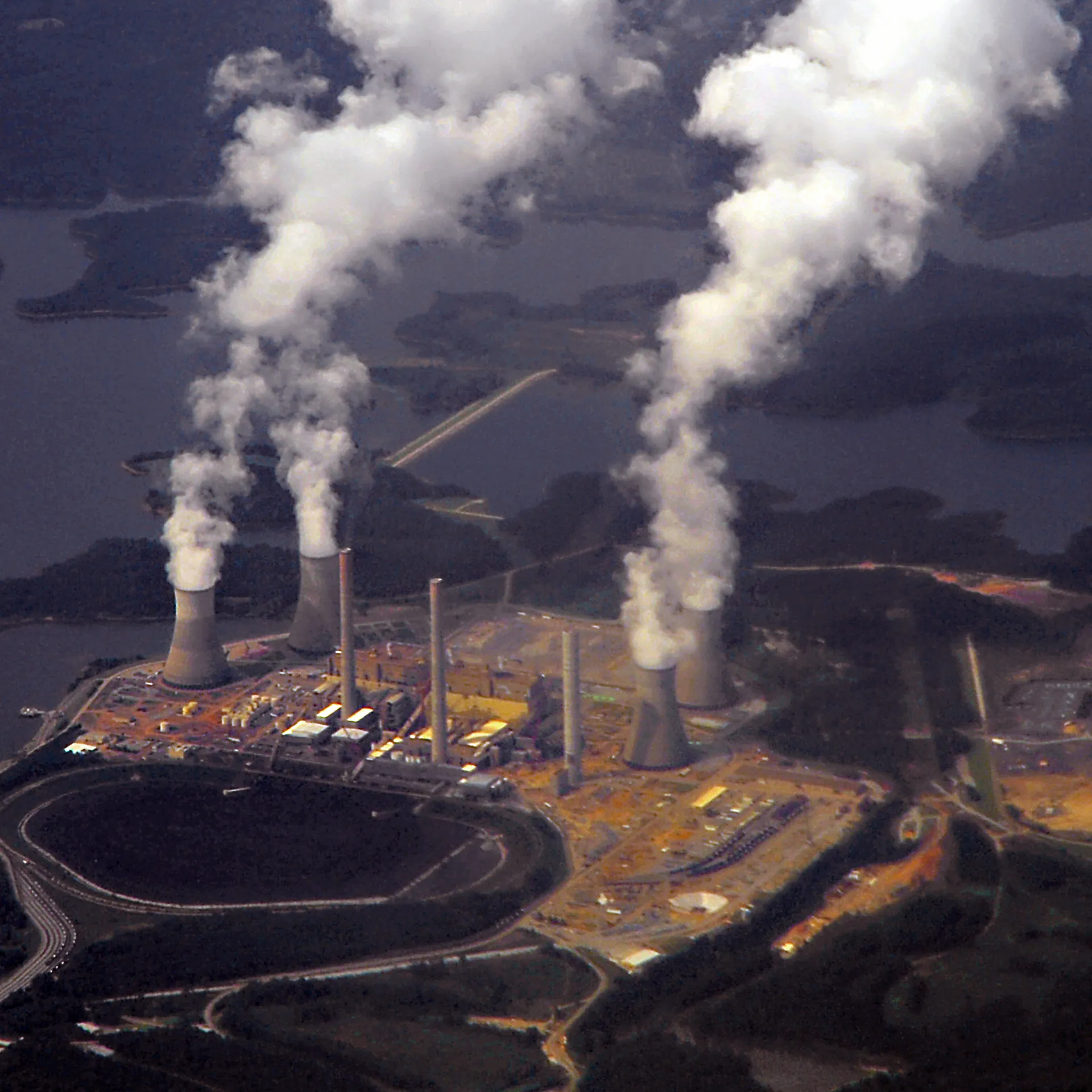
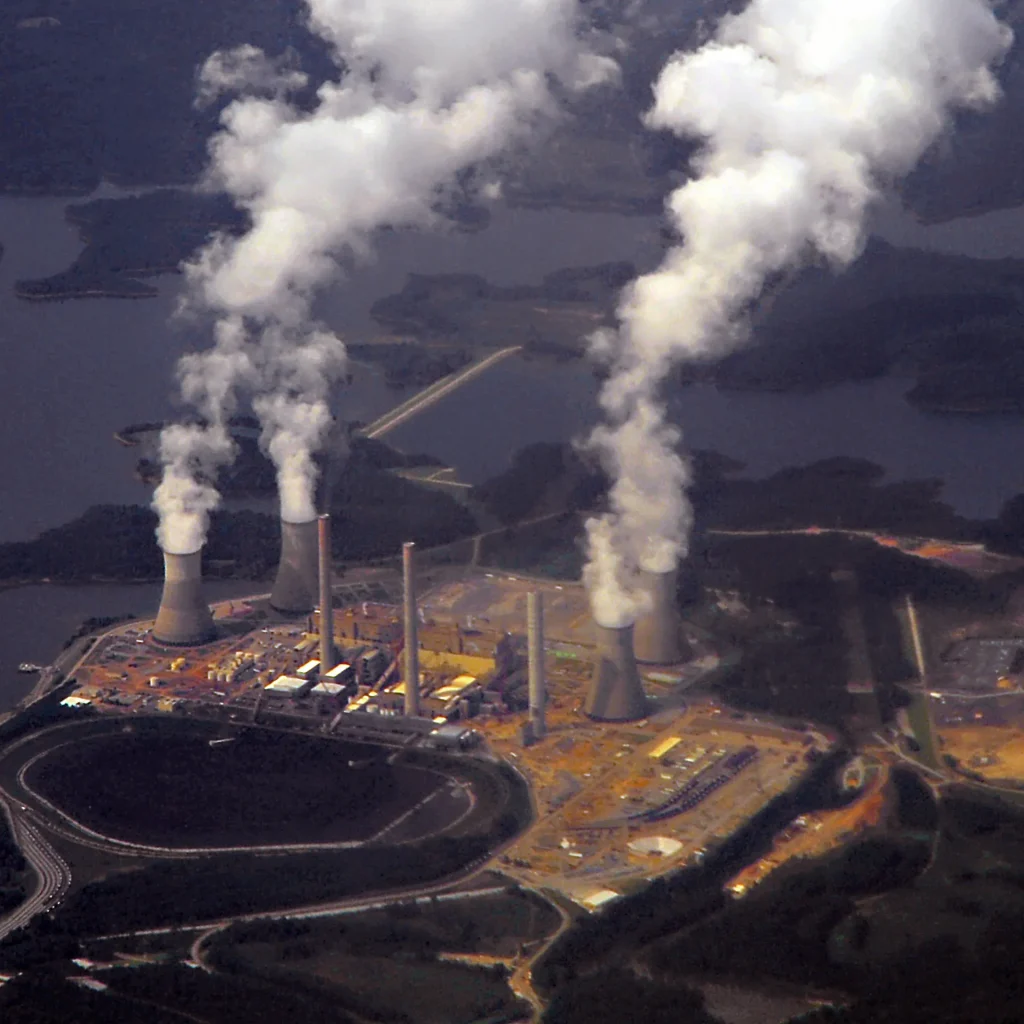
In Georgia, the use of coal for power generation has been a major source of energy for decades. However, it comes with a significant environmental cost: coal ash. This byproduct of burning coal contains a mix of harmful chemicals and heavy metals that can pose serious risks to water sources and public health. In this blog post, we’ll explore the impact of coal ash from power plants in Georgia on water quality, how it can cause issues, and what is being done to address the problem.
What is Coal Ash?
Coal ash is a byproduct of burning coal for electricity. It comprises a range of substances, including fly ash, bottom ash, and boiler slag. These materials contain heavy metals such as arsenic, lead, mercury, and cadmium, as well as other toxic compounds. Given its hazardous nature, coal ash requires careful handling and disposal to prevent environmental contamination.
How Coal Ash Can Contaminate Water
The primary concern with coal ash is its potential to leach harmful chemicals into water sources. This can occur through several pathways:
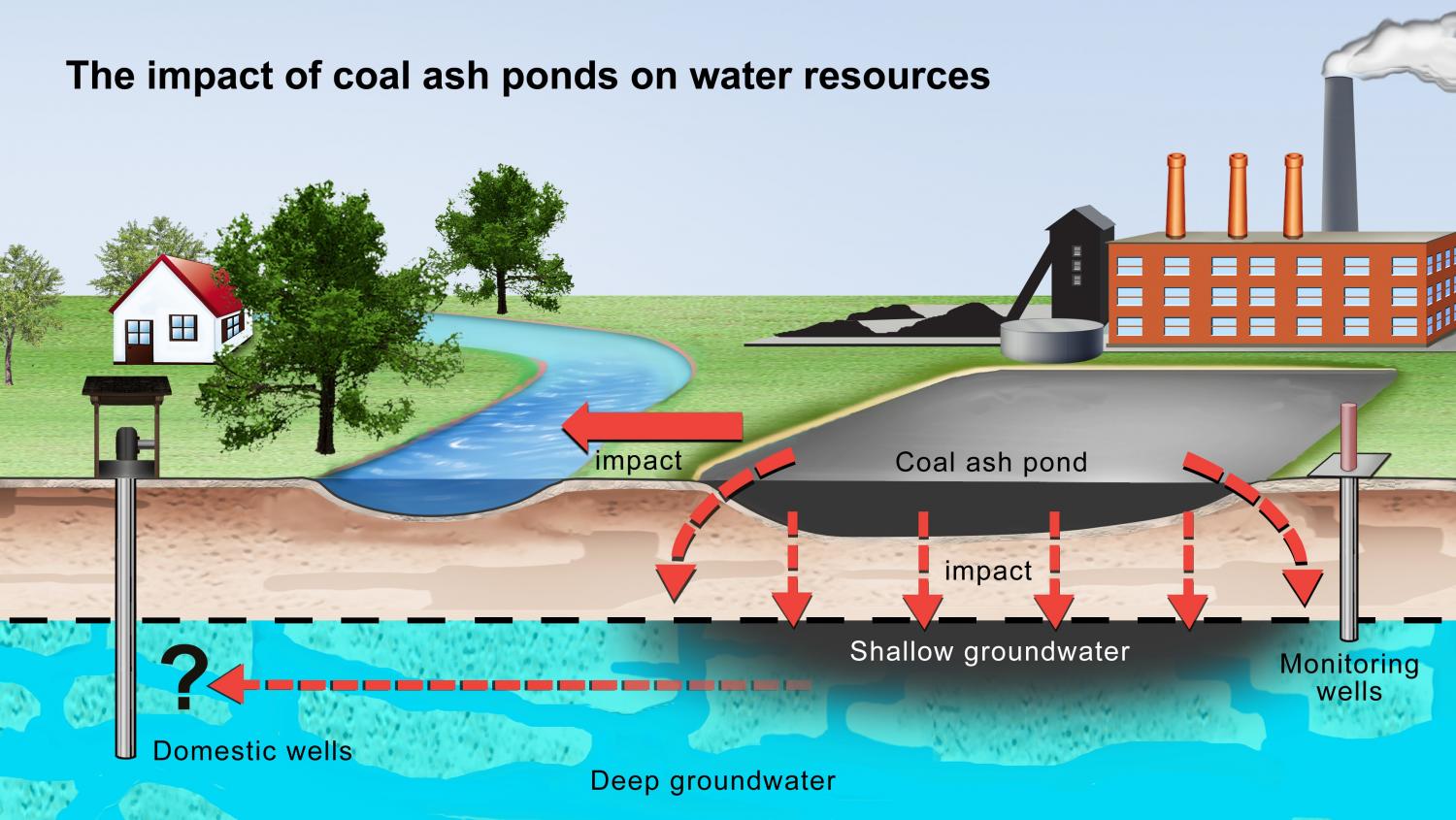 Leaking Coal Ash Ponds: Many power plants store coal ash in large ponds or landfills. When these containment structures leak, toxic substances can seep into groundwater, rivers, and streams, leading to widespread contamination.
Impact on Georgia’s Water Quality
In Georgia, several power plants use coal, and the resulting coal ash is often stored in large ponds or landfills. This storage method has raised concerns about water contamination, particularly in areas where containment structures are aging or poorly maintained.
Groundwater Contamination
Leaking coal ash ponds can lead to groundwater contamination. This is a significant issue in Georgia, where many communities rely on groundwater for drinking water. When heavy metals and other toxic substances leach into groundwater, they can pose serious health risks to local residents.
River and Stream Pollution
Coal ash contamination can also affect Georgia’s rivers and streams. When toxic chemicals enter these waterways, they can disrupt aquatic ecosystems, harm fish populations, and impact recreational activities like fishing and boating.
Public Health Risks
The presence of harmful substances in water sources can pose health risks to people who consume contaminated water. Arsenic, lead, and other heavy metals are linked to serious health issues, including cancer, neurological damage, and developmental problems in children.
Addressing the Problem
Efforts are underway in Georgia to address the risks posed by coal ash and reduce its impact on water quality. Here are some of the measures being taken:
- Coal Ash Cleanup and Disposal: Power companies are required to clean up coal ash sites and properly dispose of the waste in environmentally safe ways. This includes moving coal ash to lined landfills or recycling it for use in construction materials.
- Monitoring and Regulation: State and federal regulations mandate monitoring of coal ash sites to detect leaks and ensure compliance with environmental standards. Regular inspections and water testing help identify potential issues early on.
- Community Advocacy and Legal Action: Environmental groups and concerned citizens are advocating for stricter regulations and accountability for power companies. In some cases, legal action has been taken to ensure that companies take responsibility for coal ash contamination and address the damage caused.
What Can You Do?
As a resident of Georgia or someone concerned about environmental issues, you can play a role in addressing coal ash contamination:
- Stay Informed: Keep up to date with news about coal ash and its impact on local water quality. Knowledge is key to understanding the risks and advocating for change.
- Support Environmental Groups: Organizations working to protect Georgia’s water resources need support. Consider volunteering, donating, or participating in events to raise awareness.
- Advocate for Stronger Regulations: Contact your local representatives and express your concerns about coal ash and water contamination. Advocate for stricter regulations and stronger enforcement to ensure public safety.
Coal ash contamination is a significant environmental issue in Georgia, with the potential to impact water quality and public health. By understanding the risks and supporting efforts to address the problem, we can work towards a cleaner and safer environment for everyone.