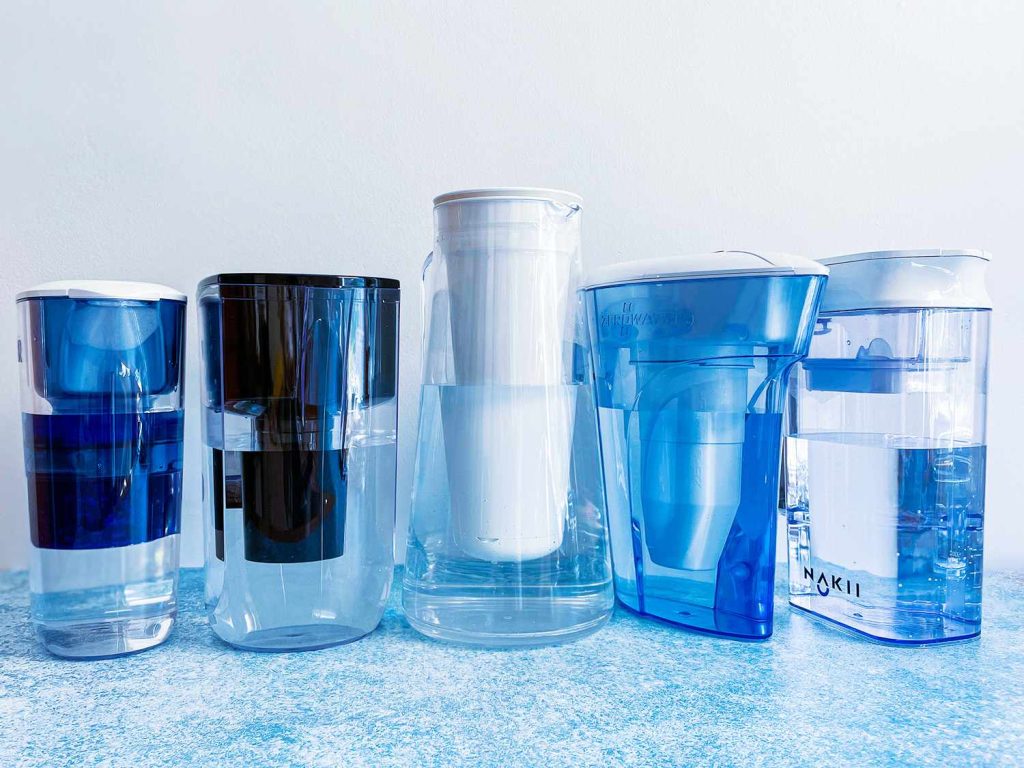
Water filters are everywhere. Whether it’s a simple countertop unit, an under-sink system, or a high-tech whole-house purifier, these devices promise cleaner, safer water. But how effective are they really? Are they truly the solution to our water quality problems, or is it all just clever marketing? In this blog post, we’ll dive into the reality of water filters and explore why they might not live up to the hype.
(Curious about whether your filter is working or not? Schedule a free in-home water test, as we help to raise awareness in our community!)
The Allure of Water Filters
It’s easy to see why people are drawn to water filters. The idea of removing harmful contaminants and having access to pure, clean water from your tap is appealing. Companies use persuasive marketing tactics, highlighting the risks of unfiltered water and promising that their products can make your water safe to drink.
Do Water Filters Really Work?
The effectiveness of water filters depends on various factors, including the type of filter, the quality of the filter media, and the specific contaminants present in your water. Here are some reasons why water filters may not work as effectively as you might think:
1. Limited Scope
Most water filters are designed to remove specific contaminants, like chlorine, lead, or bacteria. However, they may not be effective against other harmful substances such as pesticides, pharmaceuticals, or heavy metals. This limitation means that even with a water filter, you might still be exposed to certain contaminants.
2. Inconsistent Performance
Filters rely on physical or chemical processes to remove impurities from water. Over time, these processes can become less effective, leading to inconsistent performance. Clogged filters, reduced flow rates, or saturated filter media can all impact a filter’s ability to purify water effectively.
3. Maintenance and Replacement
Water filters require regular maintenance and filter replacement to function correctly. Many people neglect this aspect, leading to a decrease in filtration efficiency. A clogged or old filter might even release contaminants back into the water, posing a greater risk to your health.
4. Overreliance on Marketing
Companies invest heavily in marketing to create a perception of safety and reliability. They use buzzwords like “advanced filtration technology” or “certified for safety,” but these terms can be vague and misleading. Certification often refers to specific standards that might not cover all possible contaminants. The focus on branding and aesthetics can overshadow the need for clear, transparent information about a product’s true capabilities.
What Can You Do?
If you’re concerned about water quality, don’t rely solely on water filters without doing your homework. Here are a few steps you can take to make more informed decisions:
- Get your water tested, to know how to best treat your water, we need to first understand the full breadth of what’s wrong with it
- Do independent research. There’s lots of free information out there that’s only a click away.
- Look past reviews and marketing gimmicks, like Berkey’s red dye test, and be willing to think critically about the water cleaning process.
To Wrap it Up…
Water filters can be a useful tool for improving water quality, but they are not a catch-all solution. Their effectiveness can vary, and marketing claims can be misleading. To ensure you’re getting the best possible water quality, educate yourself about your local water supply, research filter options, and maintain your equipment properly. Remember, the key to clean water is knowledge, not just clever marketing.
To get more detailed information on the quality of water coming into your home, click here to schedule a free water test.