In a world where water is increasingly becoming a scarce resource, the concept of “virtual water” is gaining traction. Virtual water refers to the water embedded in products and commodities during their production processes. This hidden water flows across borders in the form of traded goods, revealing a complex network of water distribution that has significant implications for global water resources, consumer behavior, and environmental sustainability.
The Concept of Virtual Water
Virtual water was first coined by Tony Allan in the early 1990s to describe the water required to produce food and other products. When goods are traded internationally, they’re not just moving physical materials—they’re also moving the water used in their production. For example, producing a kilogram of beef requires about 15,000 liters of water, while a kilogram of wheat requires about 1,500 liters. When countries import these goods, they are effectively importing the water used to produce them.
Global Trade and Virtual Water Flows
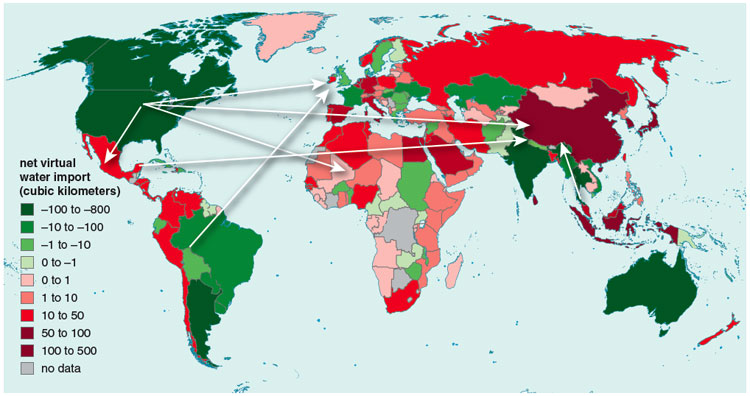
Global trade patterns reveal significant virtual water flows between countries. Generally, water-scarce regions import water-intensive goods from water-abundant regions. This makes sense economically and environmentally, as it allows water-scarce countries to focus on less water-intensive industries. For instance, countries in the Middle East, like Saudi Arabia, import large quantities of grain and meat, effectively importing virtual water from countries with more abundant water resources.
China, with its massive manufacturing industry, is a significant exporter of virtual water through the production of textiles, electronics, and other goods. The United States, a major agricultural exporter, sends vast amounts of virtual water abroad in the form of crops like corn and soybeans. Meanwhile, Europe imports substantial virtual water through its dependence on food and clothing from other regions.
The Impact of Consumer Habits
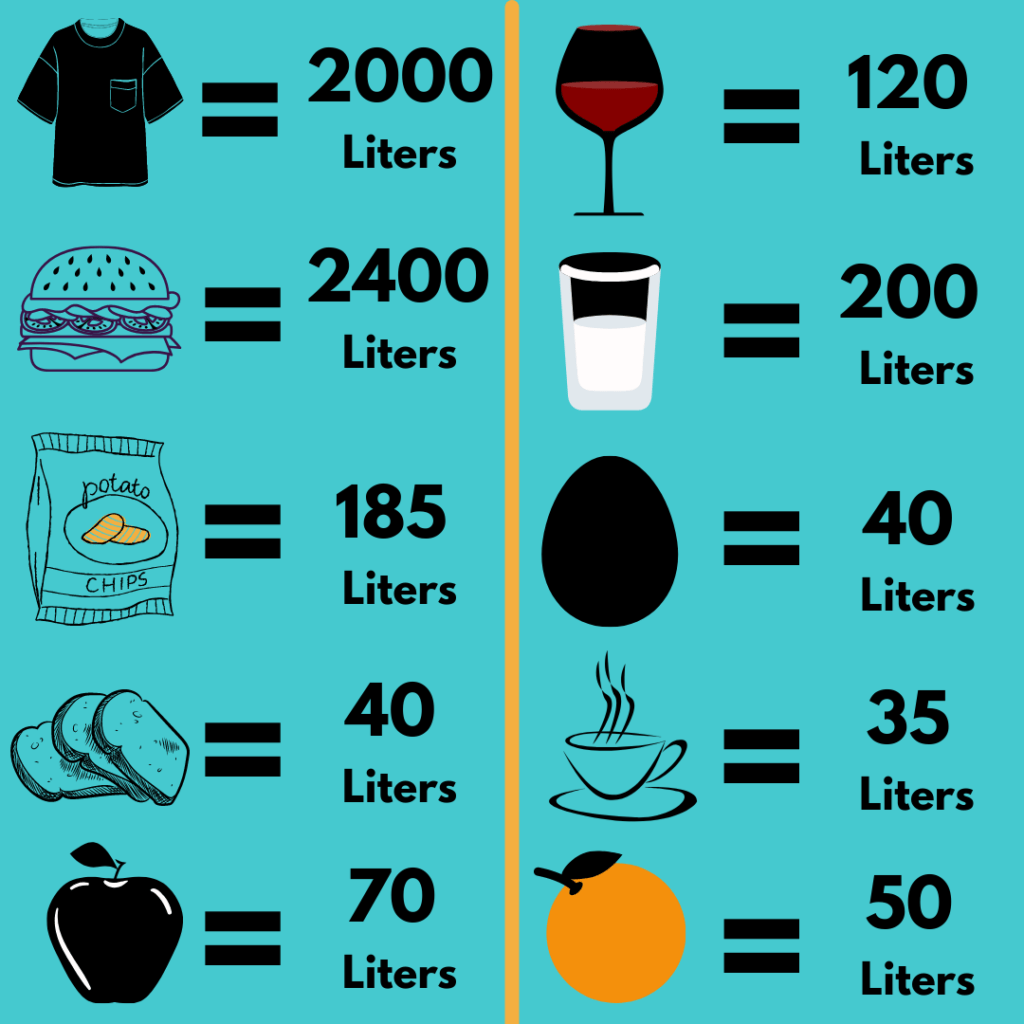
Consumer habits play a crucial role in determining virtual water flows. High meat consumption, fast fashion, and excessive use of electronic devices all contribute to increased virtual water demand. As people consume more resource-intensive products, the virtual water footprint grows, exerting pressure on global water resources. The demand for cheaper goods often drives production to regions with looser environmental regulations, exacerbating water scarcity and pollution.
Environmental Consequences
The extensive trade in virtual water can have negative effects on the environment, especially in regions where water resources are already strained. Overexploitation of water resources to meet international demand can lead to river depletion, reduced groundwater levels, and soil degradation. In some cases, it can even contribute to conflicts over water rights and access.
Fast fashion, a major source of virtual water consumption, has a particularly detrimental impact. The textile industry is notorious for its high water usage and pollution. Dyes and chemicals used in garment production often end up in rivers, causing environmental damage and health risks for local communities.
Addressing the Challenges
To mitigate the negative effects of virtual water trade, there are several strategies that countries, industries, and consumers can adopt:
-
- Water-Efficient Practices: Encouraging water-efficient agricultural and manufacturing practices can reduce the virtual water footprint of goods.
-
- Sustainable Consumption: Consumers can make a difference by choosing sustainable products, reducing meat consumption, and supporting brands that prioritize water conservation.
-
- International Cooperation: Countries should collaborate to ensure that virtual water trade is balanced and does not exacerbate water scarcity in vulnerable regions.
-
- Regulation and Accountability: Governments can implement regulations to ensure industries use water responsibly and do not contribute to environmental degradation.
Virtual water is a crucial concept for understanding global water use and its impact on the environment. By addressing virtual water trade and encouraging sustainable consumer habits, we can work toward a future where water resources are managed more equitably and sustainably.