Water is often called the elixir of life, and for good reason. Our bodies depend on water to function properly, and staying hydrated is essential for overall health and well-being. In this article, we’ll explore why water is so important for our bodies and how much we should be drinking every day.

Why Water Matters
Water plays a critical role in virtually every bodily function. Here are just a few reasons why staying hydrated is crucial:
1. Temperature Regulation
Water helps regulate body temperature through sweating and respiration. When we’re hot, we sweat to cool down, and the evaporation of sweat from the skin helps lower body temperature.
2. Nutrient Transport
Water is the primary component of blood, which carries nutrients and oxygen to cells throughout the body. It also helps transport waste products away from cells for excretion.
3. Digestion and Absorption
Water is essential for digestion and the absorption of nutrients from food. It helps break down food in the stomach and intestines and facilitates the movement of nutrients into the bloodstream.
4. Joint Lubrication
Water acts as a lubricant for joints, helping to cushion them and reduce friction during movement. Adequate hydration can help prevent joint pain and stiffness.
5. Waste Removal
Water is necessary for the kidneys to filter waste products from the blood and produce urine. Staying hydrated ensures that the kidneys can function properly and eliminate waste efficiently.
How Much Water Do We Need?
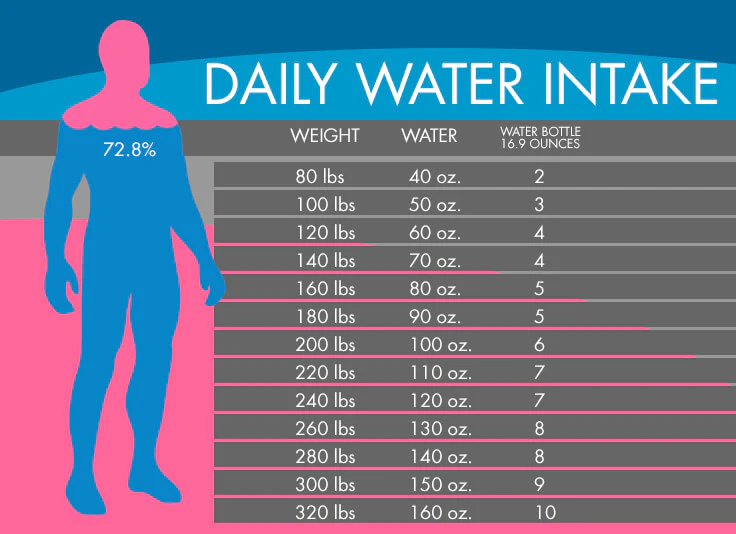
The amount of water each person needs can vary based on factors such as age, weight, activity level, and climate. However, a general guideline is to aim for about 8 glasses of water per day, which is roughly 2 liters or half a gallon. This is known as the “8×8” rule.
However, it’s essential to listen to your body and adjust your fluid intake accordingly. You may need more water if you’re physically active, live in a hot climate, or are pregnant or breastfeeding. Certain medical conditions, such as kidney disease or diabetes, may also require adjustments to your fluid intake.
Signs of Dehydration
It’s essential to recognize the signs of dehydration so you can take action to rehydrate your body. Common symptoms of dehydration include:
- Thirst
- Dry mouth and lips
- Dark yellow urine
- Fatigue or weakness
- Dizziness or lightheadedness
- Headache
If you experience any of these symptoms, it’s crucial to drink water or other hydrating fluids immediately to replenish lost fluids and prevent further dehydration.
Water is essential for life, and staying hydrated is vital for maintaining overall health and well-being. By understanding why our bodies need water and how much we should drink, we can take proactive steps to ensure that we stay properly hydrated and support our body’s natural functions. But, none of this matters if the water we are drinking may be doing more harm than good…
Do you know what’s in your water? Find out today, and take the guess work out of your health.
Learn More