
Will Anything Change?
Components of a Comprehensive PFAS Strategy
Back in 2021, the Biden-Harris Administration unveiled a wide-ranging, all-encompassing governmental strategy and thorough action plan to eliminate and mitigate PFAS contamination in the environment. Within this overarching strategy there are many different governmental agencies, including the U.S. Department of Defense, U.S. Department of Agriculture, U.S. Department of Homeland Security, U.S. Department of Health and Human Services, Food and Drug Administration, and EPA, that have been tasked with specific responsibilities.
Inside of the EPA, the regulation of drinking water stands as a pivotal element of the Agency’s PFAS Strategic Roadmap, aimed at assisting communities nationwide in combating PFAS substances by curbing their origin and holding those responsible for pollution accountable.
Updated Drinking Water Standards
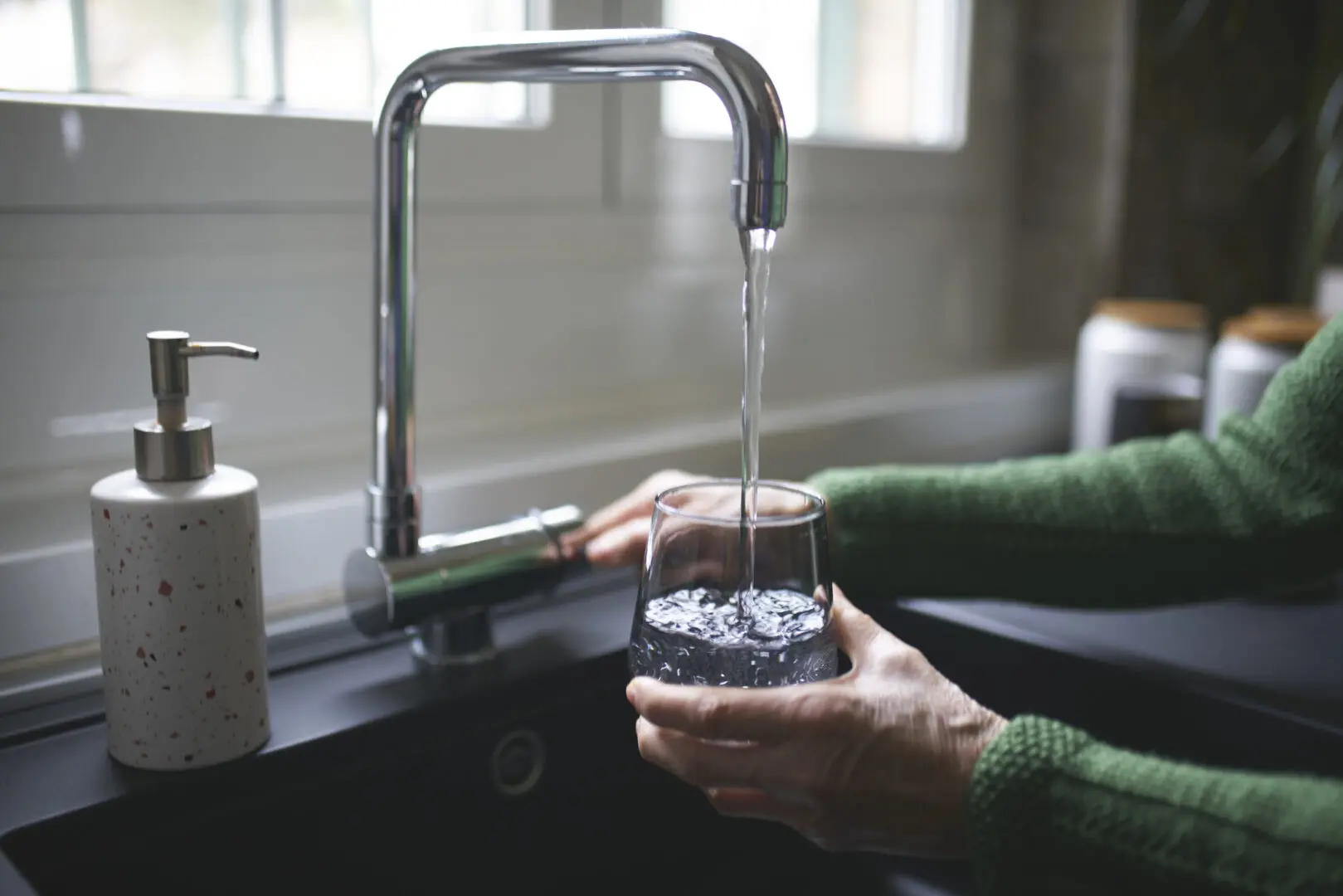
In regard to PFOA and PFOS, two of the most extensively researched and recognized PFAS compounds, EPA has established a Maximum Contaminant Level Goal (a non-binding health-oriented objective) of zero. However, the EPA has implemented an enforceable Maximum Contaminant Level for PFOA and PFOS in drinking water, set at 4.0 parts per trillion. This threshold represents the lowest level detectable with existing technology.
Clayton County’s Response

While the president of Clayton County’s Water Authority, H. Bernard Franks, has communicated his intention to abide by these new regulations, it is apparent, in this interview done by Atlanta News First, that he does so begrudgingly. Franks states that it is frustrating that the water authority is being held liable for the levels of contamination in the water, when it is primarily run-off from industrial plants that has caused these increased levels of PFAS in the water. Additionally, Frank remarks how it will cost them millions of dollars to fix the infrastructure to help remove these PFAS, and over five years to see any significant change.
What Can We Do?
Of course, as with all things environment related, the first thing we can do is to raise awareness in our local communities. Whether it is by writing letters to local members of congress, or encouraging other friends and family to start talking about it, every voice matters. Share articles, such as this one, and repost videos like these.