How Pure is too Pure?
In the quest for optimal health, many individuals explore various diets, supplements, and lifestyle changes. Among these, the choice of drinking water often becomes a significant consideration. Distilled water, with its promise of being the purest form of H2O, has garnered attention from health enthusiasts. However, it’s essential to understand the potential risks associated with drinking distilled water regularly. To make sure you are drinking water that is safe for you and your family, click here to schedule a free water test. No risk, Just clean water. Schedule now, as there are limited time slots for remaining.
Understanding Distilled Water
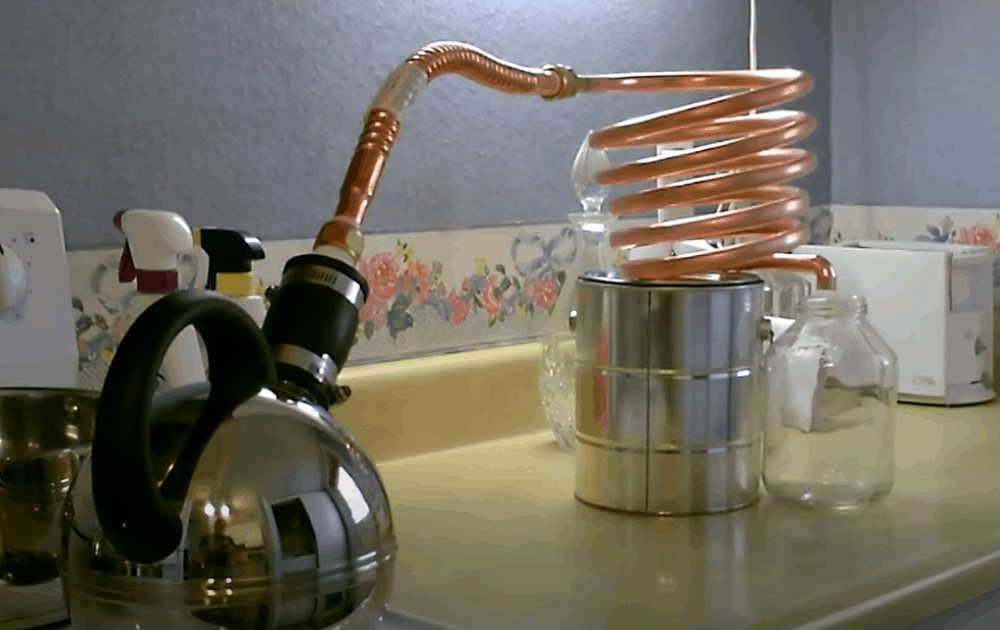
Distilled water is produced through a process of boiling water and then condensing the steam back into a liquid. This process removes impurities and minerals from the water, resulting in highly purified H2O. While this might sound ideal, the absence of minerals can pose several risks. Additionally, for the purpose of residential consumption, this process requires an elaborate set up, and is highly energy-inefficient, as well as time consuming.
Mineral Deficiency
One of the primary concerns with drinking distilled water is the lack of essential minerals such as calcium, magnesium, and potassium. These minerals are vital for maintaining various bodily functions, including bone health, muscle function, and electrolyte balance. Regular consumption of distilled water can lead to mineral deficiencies over time, potentially causing health issues such as weak bones, muscle cramps, and fatigue. Not only does distilled water not contain any nutrient or minerals, but, being that water is a solvent in its purest state, it can pull minerals from your body, further increasing the risk of a mineral deficiency.
Electrolyte Imbalance
Electrolytes are crucial for maintaining the body’s fluid balance, nerve function, and muscle contractions. Distilled water, being devoid of these electrolytes, can disrupt the body’s natural electrolyte balance. This imbalance can lead to symptoms like dizziness, headaches, and in severe cases, heart palpitations. For athletes or individuals with high physical activity levels, this risk is even more pronounced due to increased electrolyte loss through sweat.

Acidic Nature of Distilled Water
Distilled water tends to be more acidic compared to regular drinking water. The absence of minerals, which usually act as buffers, can result in a lower pH level. Consuming water with a low pH over a long period can affect the body’s natural pH balance, potentially leading to acidosis. This condition can cause fatigue, shallow breathing, and confusion, impacting overall health.
Impact on Digestive Health
Minerals in drinking water also play a role in digestion. Magnesium, for example, aids in muscle relaxation, including the muscles of the digestive tract. Without these minerals, individuals might experience digestive issues such as constipation or an upset stomach. Over time, this can lead to more severe gastrointestinal problems.
Personal Reflections and Recommendations
Reflecting on personal experiences and extensive research, it’s clear that while distilled water might be beneficial for certain applications, such as in laboratory settings or specific medical uses, it might not be the best choice for regular consumption. The potential risks of mineral deficiencies, electrolyte imbalances, and digestive issues outweigh the perceived benefits of consuming ultra-pure water.
For those looking to optimize their health through hydration, we recommend scheduling a water test, to see what effects your tap water may be having on your health. As a summation, our daily source of nutrition should never be coming solely from our water. However, it is important that we are mindful of the quality of water we put into our body. Municipal tap water often contains high amounts of harmful chemicals, such as chlorine and fluoride. Well and spring water, while on the surface appear to be better, are completely unregulated, and untreated. This can lead to unpredictable counts of bacteria and pesticides in the water.
Want to find out how to get better water? Don’t delay, schedule a free water test, and find out today.