Do more chemicals equal better water?
Fluoride in tap water has been a topic of debate for decades. While it’s widely added to municipal water supplies to promote dental health, concerns about its safety and the efficacy of standard water filters in removing it remain prevalent. Let’s dive into the reasons why fluoride is added to tap water, the potential risks associated with it, and why common water filters may not be up to the task of removing it effectively. To see if you have fluoride in your tap water, click here to schedule a free in home water test. No Risk, just knowledge to the curious.

The Purpose of Fluoride in Tap Water
Fluoride is added to public water supplies in many countries to help reduce the incidence of dental cavities. This practice, known as water fluoridation, began in the United States in the 1940s and has since been adopted by numerous other countries. Fluoride helps to remineralize tooth enamel and inhibit the growth of bacteria that cause cavities.
Potential Risks of Fluoride
Despite its dental benefits, fluoride in drinking water has raised concerns about potential health risks:
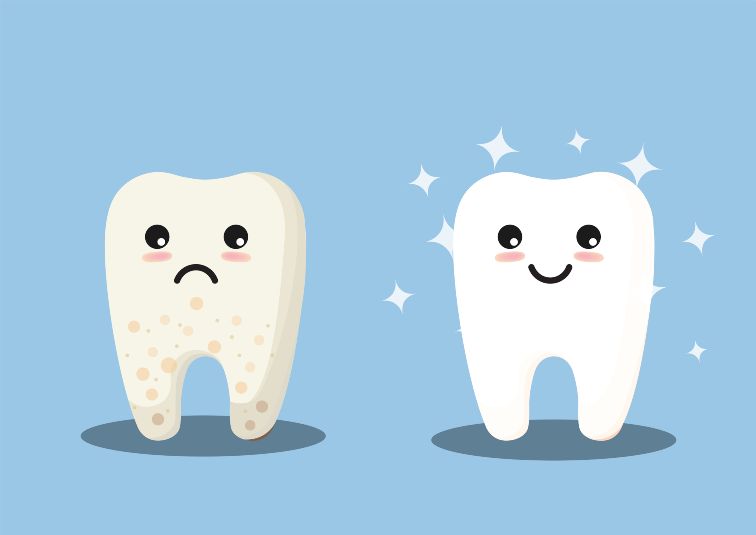
Dental Fluorosis: Excessive fluoride exposure, particularly in children, can lead to dental fluorosis, characterized by discoloration and pitting of the teeth.
Skeletal Fluorosis: Long-term ingestion of high levels of fluoride can cause skeletal fluorosis, leading to joint pain and damage to bones.

Thyroid Problems: Some studies suggest that high fluoride intake may interfere with thyroid function, potentially leading to hypothyroidism.
Neurological Effects: Emerging research indicates a possible link between fluoride exposure and cognitive impairments, including lower IQ levels in children.
Why Standard Filters Are Insufficient
Many people turn to water filters to remove contaminants from their tap water, assuming that these filters can also effectively remove fluoride. Unfortunately, this is often not the case. Here’s why standard filters typically fall short:
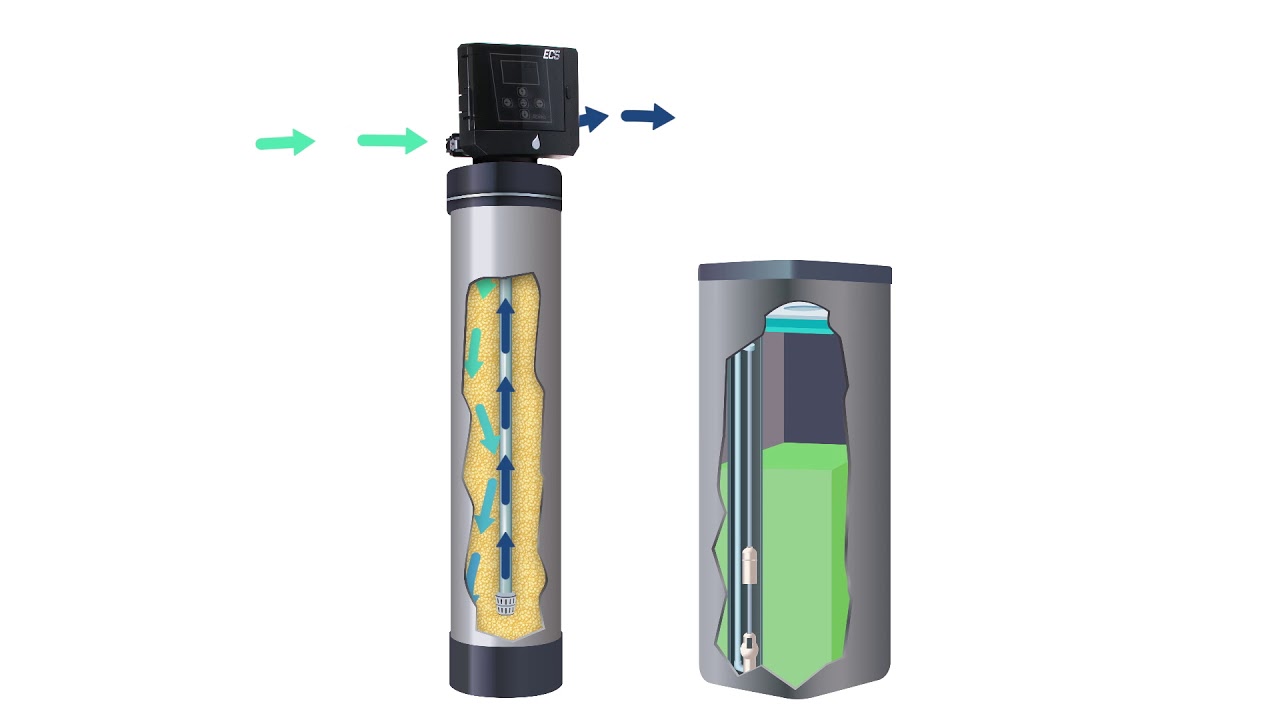
Activated Carbon Filters: Commonly found in pitcher filters and faucet attachments, activated carbon filters are excellent at removing chlorine, sediment, and volatile organic compounds (VOCs). However, they are ineffective at removing fluoride ions because fluoride is not absorbed by the carbon material.

Basic Sediment Filters: These filters, often used in whole-house systems, are designed to remove particles like sand and rust but do nothing to address dissolved substances like fluoride.
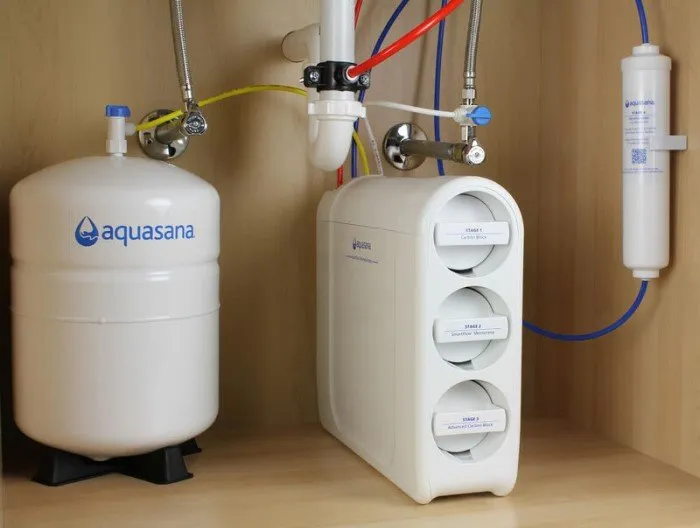
Standard Reverse Osmosis Systems: While reverse osmosis (RO) systems can reduce fluoride levels, not all RO systems are created equal. Many lower-end or improperly maintained systems may fail to remove significant amounts of fluoride.
Effective Methods to Remove Fluoride
For those concerned about fluoride in their drinking water, there are specific filtration methods that can effectively reduce or remove fluoride:
Reverse Osmosis (RO) Systems: High-quality RO systems are capable of removing up to 95% of fluoride. It’s crucial to ensure that the system is properly maintained, and the filters are regularly replaced to maintain effectiveness. Additionally, while these systems are highly effective, and have a relatively low barrier to entry, they are highly inefficient, and only treat the water at point of use. This leaves you still having fluoride exposure in your shower or bath, as well as other unsuspecting places like your ice maker.
Activated Alumina Filters: These filters are specifically designed to remove fluoride and are often used in conjunction with other filtration systems to enhance fluoride removal.
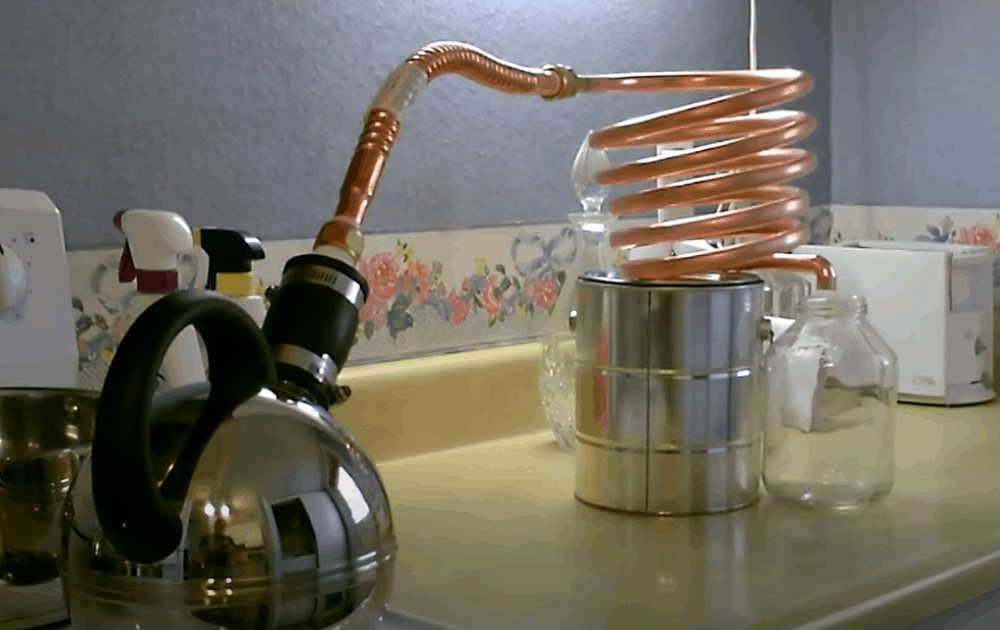
Distillation Units: Water distillers can remove nearly all dissolved solids, including fluoride, by converting water to steam and then condensing it back into liquid form, leaving contaminants behind. The largest draw back to this is the sheer inefficiency of such a process, and the potential health risks of drinking only distilled water. Click here to read more about distilled water and you.
Bone Char Carbon: Bone char carbon is a rare type of activated carbon that has been proven extremely effective at removing fluoride, as well as chlorine, from the tap water. Bone Char Carbon has a lasting shelf life of about five years before it needs replaced, making it a low maintenance option as well. That said, while it can be bought online, without the proper water treatment equipment the life of the carbon can be greatly reduced, or may not function properly at all. To see the best options for Bone Char Carbon water treatment click here.
Conclusion
While fluoride in tap water provides dental health benefits, there are valid concerns about its potential health risks. Unfortunately, standard water filters like those using activated carbon or basic sediment filtration are insufficient at removing fluoride. For effective fluoride removal, it’s essential to invest in high-quality, whole-home water treatment systems, such as these, and to be sure to have bone char carbon added to them. Understanding these options can help ensure that your drinking water meets your health and safety standards. By being informed about the limitations of standard water filters and the available alternatives, you can make better choices for your health and the health of your family. To make sure the water coming into your home is safe, schedule a free water test, here, and ask about bone char carbon for you and your family. Don’t wait. Find out today.