
5.19.2024

What You Need to Know
Georgia’s water quality has been a growing concern, with various reports highlighting significant pollution issues across the state. One of the most notable contributions to understanding these problems comes from the “Dirty Dozen” report by the Georgia Water Coalition, which annually lists the top twelve threats to Georgia’s water resources. This report serves as a crucial wake-up call, shedding light on various environmental hazards and urging action for better water management and protection. Of course, the only way to truly ensure the water coming into your home is actually safe to consume is to have your water tested, and to find out the quality of water that is coming into your home. To schedule a free water test, click here.
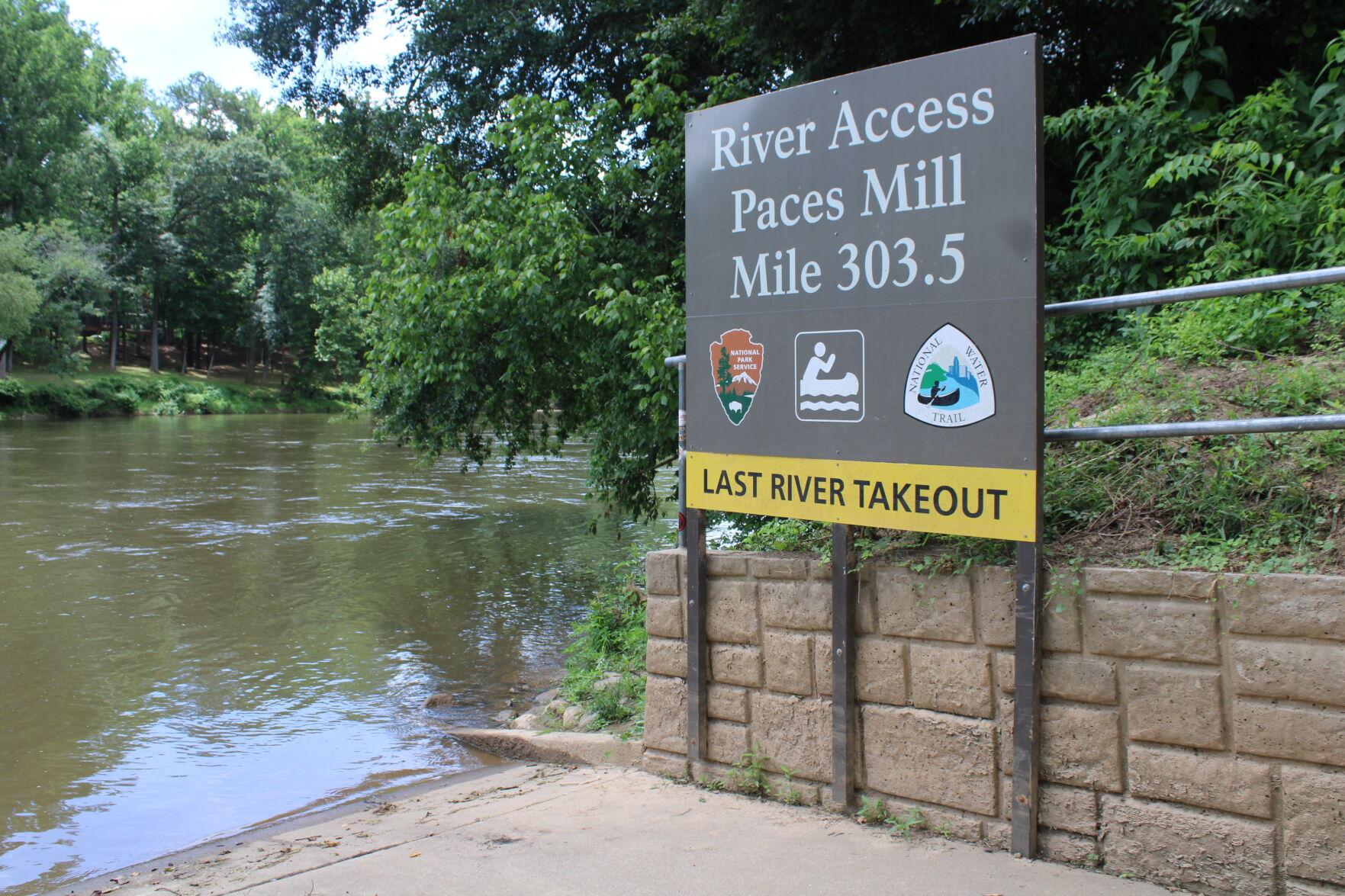
One of the reasons this is of great concern for the residents of Atlanta, and its surrounding areas, is because of how the Chattahoochee has been affected. The river has long been a source of water for the residents of Atlanta, however, over time, the increased industrialization has led to the water harboring more and more chemical pollutants.
What is the Dirty Dozen?
The Georgia Water Coalition’s “Dirty Dozen” report identifies the most pressing water pollution threats across the state. These threats range from industrial pollution to legislative and regulatory failures that compromise the quality and safety of Georgia’s water. The aim is to inform the public, influence policymakers, and prompt action to address these critical issues.
Highlights from the 2024 Dirty Dozen Report
- Coal Ash Contamination
- Issue: Coal ash, a byproduct of coal-burning power plants, contains harmful heavy metals like arsenic, lead, and mercury. Improper storage and disposal practices have led to groundwater contamination in several areas.
- Impact: Contaminated groundwater can seep into rivers and lakes, affecting both drinking water supplies and aquatic ecosystems (Bob Vila) (Water Filter Guru).
- Agricultural Runoff
- Issue: Excessive use of fertilizers and pesticides in agriculture leads to runoff that carries these chemicals into water bodies.
- Impact: This runoff can cause algal blooms, which deplete oxygen in the water and harm fish populations. It also poses risks to human health through contaminated drinking water sources (Bob Vila).
- Plastic Pollution
- Issue: Single-use plastics and microplastics are increasingly found in Georgia’s rivers and lakes.
- Impact: Plastics can harm wildlife, block waterways, and potentially enter the human food chain through contaminated fish (Water Filter Guru).
- Sewage Overflows
- Issue: Aging infrastructure and heavy rainfall often result in sewage overflows, discharging untreated wastewater into rivers.
- Impact: This contamination introduces harmful bacteria and viruses into water bodies, posing serious health risks to humans and wildlife (Bob Vila).
- Industrial Discharges
- Issue: Factories and industrial plants sometimes discharge pollutants directly into water bodies without adequate treatment.
- Impact: These pollutants can include toxic chemicals and heavy metals, which are harmful to both ecosystems and human health (Water Filter Guru).
The Role of Legislation and Regulation
One of the recurring themes in the Dirty Dozen report is the failure of regulatory frameworks to adequately protect water resources. In some cases, lax enforcement of existing laws, insufficient funding for environmental protection agencies, and political resistance to stricter regulations have exacerbated water quality issues.
What Can Be Done On a Large Scale?
Addressing Georgia’s water quality issues requires a multi-faceted approach:
- Strengthening Regulations: There is a need for stricter enforcement of existing environmental laws and the introduction of new regulations that address emerging threats like microplastics and coal ash.
- Infrastructure Investment: Upgrading sewage systems and wastewater treatment facilities can significantly reduce the incidence of overflows and untreated discharges.
- Public Awareness and Action: Educating the public about the sources and impacts of water pollution can drive grassroots movements and influence policymakers.
- Corporate Responsibility: Companies must be held accountable for their environmental footprint. Implementing sustainable practices and ensuring proper waste management can mitigate industrial pollution.
What Can Be Done for My Family?
As we mentioned earlier, the only way to truly ensure the water coming into your home is safe, is to have it tested. If you are worried, or just curious, about the water that is being allowed to enter into our home, get a free water test today, by clicking here. By taking informed and proactive steps, both individuals and policymakers can contribute to preserving Georgia’s precious water resources for future generations.

For those interested in deeper engagement, supporting local environmental groups, participating in clean-up initiatives, and staying informed about legislative changes are excellent ways to contribute to the cause. The fight for clean water is ongoing, and every effort counts.