
The Consequences of Bottle Water and Pollution
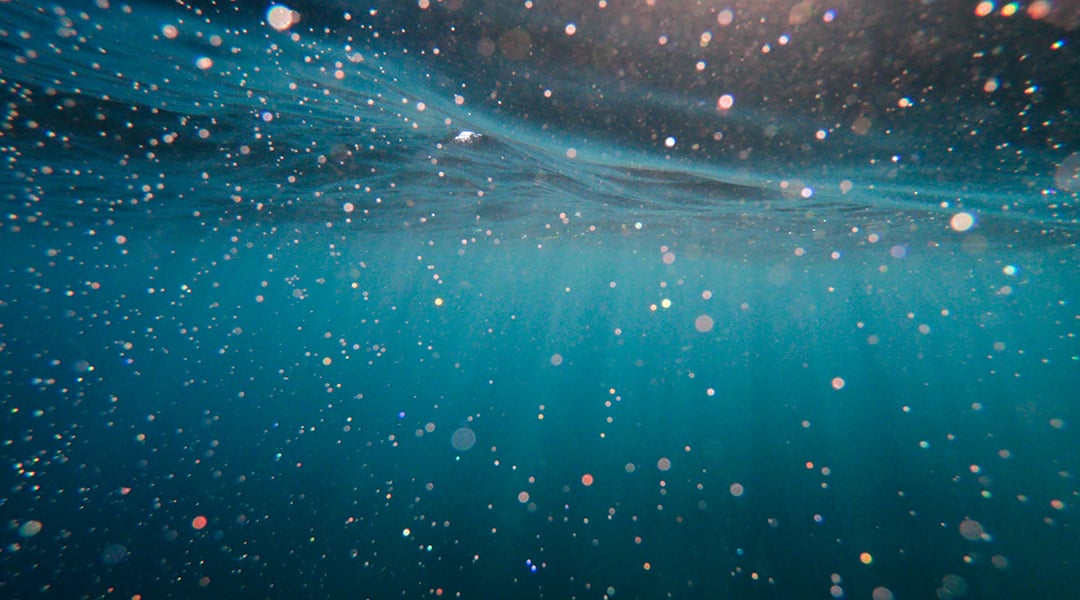
Microplastics, tiny plastic particles less than 5 millimeters in size, have become a ubiquitous contaminant in our water sources. These minuscule pieces of plastic are a growing concern for environmentalists, scientists, and health experts worldwide due to their potential adverse effects on ecosystems and human health.
As with any pollutants in our water, it is important that we understand exactly what is inside of the water we put into our body. To make sure the water you are drinking is safe, and to find out about other alternatives to bottled water, schedule a free water test by clicking here.
What are Microplastics?
Microplastics originate from a variety of sources, including primary microplastics, which are intentionally manufactured small particles like microbeads used in personal care products, industrial abrasives, and pre-production plastic pellets. Secondary microplastics result from the breakdown of larger plastic items like bottles, bags, and synthetic clothing fibers through physical, chemical, and biological processes.
How Do Microplastics Enter Our Water?
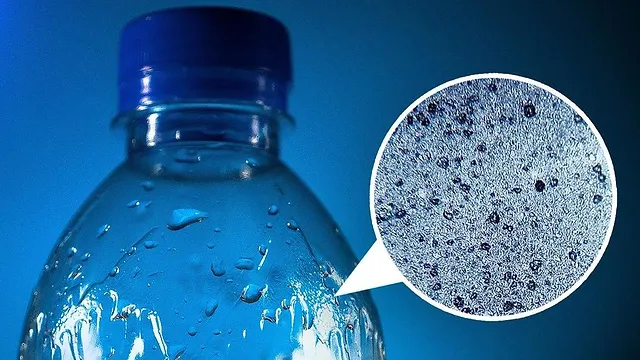
Microplastics enter our water systems through multiple pathways. Urban runoff and wastewater discharge from households and industries carry microplastics into rivers, lakes, and oceans. Atmospheric deposition can transport microplastics by wind and rain, depositing them into water bodies. Additionally, the degradation of larger plastic debris in the environment breaks down into smaller particles over time.
Health Risks Associated with Microplastics
Microplastics pose several health risks, primarily due to chemical exposure. They often contain harmful additives like phthalates, bisphenol A (BPA), and flame retardants, which can leach out and cause health problems such as endocrine disruption, reproductive issues, and developmental problems in children. Furthermore, microplastics can adsorb persistent organic pollutants (POPs) from the environment, including pesticides and industrial chemicals, leading to various health issues like cancer and immune system disorders.
Physical hazards are also a concern. Microplastics can be ingested by aquatic organisms, which are then consumed by humans through the food chain. The physical presence of microplastics in the body can cause inflammation, cellular damage, and potentially blockages in the digestive system. Additionally, microplastics present in the air and water can be inhaled, leading to respiratory problems. Fine particles can lodge in the lungs, causing irritation and potentially contributing to long-term respiratory conditions.
Another significant issue is the impact on the immune system. Studies have shown that microplastics can trigger an immune response, leading to chronic inflammation. This can weaken the immune system and increase susceptibility to infections and diseases.
Environmental Impact
The environmental impact of microplastics is profound and multifaceted. Microplastics are ingested by a wide range of marine organisms, from plankton to whales. This not only affects the health of individual species but also disrupts entire ecosystems and food webs. The presence of microplastics can degrade water quality, making it unsafe for human consumption and detrimental to wildlife. These particles can also impact the functionality of water treatment plants, making it challenging to remove contaminants effectively.
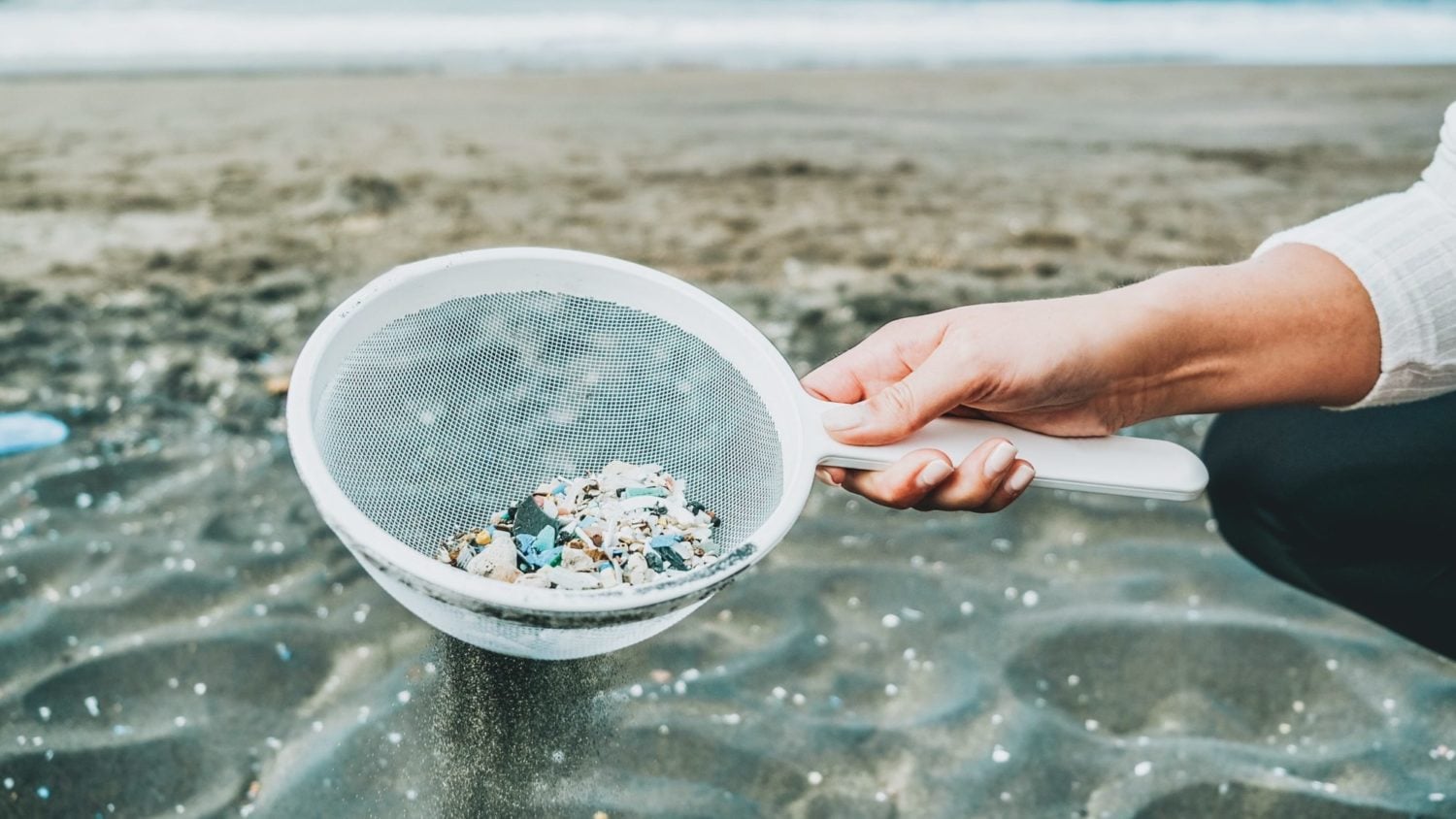
Reducing Microplastic Pollution
To mitigate the dangers of microplastics in our water, several strategies can be employed. Governments need to enforce stricter regulations on plastic production, use, and disposal. Bans on single-use plastics and microbeads in personal care products are steps in the right direction. Raising public awareness about the sources and impacts of microplastics can drive behavioral changes, such as reducing plastic consumption and improving recycling practices. Developing advanced filtration systems for wastewater treatment plants and implementing effective plastic waste management techniques can help reduce microplastic pollution.
Conclusion
Microplastics in our water represent a significant threat to both environmental and human health. By understanding the sources, pathways, and risks associated with these tiny plastic particles, we can take informed actions to reduce their presence in our ecosystems and bodies. It is crucial for individuals, communities, and governments to collaborate in combating microplastic pollution and safeguarding the health of future generations.
To make sure that your water is safe to consume or to see if your favorite bottle water has microplastics being leeched into the water inside, schedule a free test by clicking here.