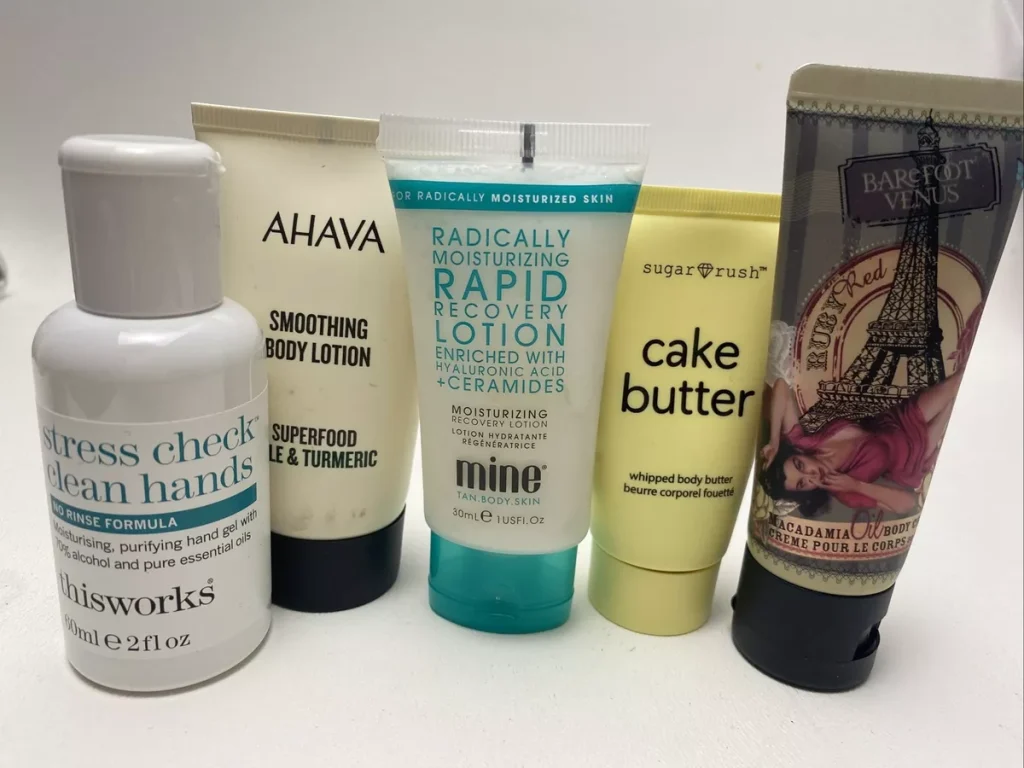
I’ve always struggled with dry skin. For as long as I can remember, my skin perpetually irritated since I moved to Georgia. I tried everything from high-end moisturizers to natural remedies, but nothing seemed to work. It wasn’t until I started questioning my tap water that I began to uncover the root cause of my skin issues and realized there were larger health risks at play.
The Mystery of Dry Skin
Initially, I chalked up my dry skin to environmental factors or maybe just genetics. I lived in a city where the air was often dry, and I assumed that played a big part. However, during a particularly intense winter, when my skin felt worse than ever despite my rigorous skincare routine, I began to suspect something else might be at play. Could my tap water be contributing to my skin woes?
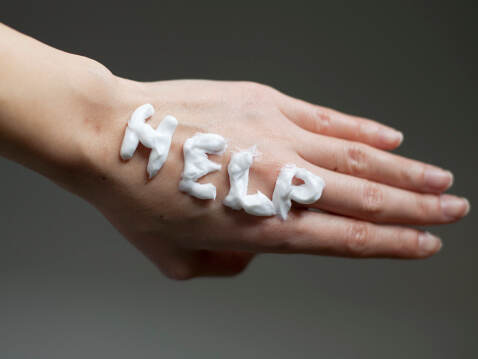
Questioning the Tap Water
I had never really given much thought to the water I used every day. I drank it, cooked with it, and showered in it without a second thought. But when my friend mentioned that hard water could be harsh on the skin, a lightbulb went off. I decided to investigate further.
A little research revealed that hard water, which is common in many areas, contains high levels of minerals like calcium and magnesium. These minerals can leave a residue on the skin, making it dry and irritated. This made me wonder if the water in my home was hard and, if so, what else might be lurking in it.
Discovering the Culprit

I purchased a water testing kit and was shocked by the results. Not only was my water hard, but it also contained chlorine and other chemicals used in the treatment process. Chlorine, while effective at killing bacteria, can strip the skin of its natural oils, leading to dryness and irritation. Additionally, my water contained trace amounts of pollutants like lead and other heavy metals, which can have long-term health implications.
The Larger Health Risks
Realizing that my tap water was contributing to my dry skin was just the tip of the iceberg. The more I learned, the more concerned I became about the other health risks associated with these contaminants. Chlorine and its byproducts have been linked to respiratory issues and other health problems when ingested or absorbed through the skin over time. Lead exposure, even in small amounts, can cause serious health issues, including developmental delays in children and kidney problems in adults.
Taking Action
Determined to protect my health and improve my skin, I decided to install a whole home water Purification system. This system would not only soften the water, removing the harsh minerals that were aggravating my skin, but also filter out chlorine, lead, and other harmful contaminants. After just a few weeks of using the filtered water, I noticed a significant improvement in my skin’s condition. It was less dry, less itchy, and felt much more hydrated and healthy. In hindsight, it seems like the journey to finding the solution was a relatively easy one, especially going back and reading this post. However, figuring out exactly what would help took hours upon hours of research. I knew little to nothing about the tap water, or dermatology. The more I dug my heels into the sand in studying, the more I questions I ended up having. Like is there a difference between a filter, a softener, and a purifier? If so, what is it? And which one do I need? It took a long time to figure it all out, but I am happy to report that, now, I know. To make sure that you know what could help you and your skin let us use the experiences and knowledge we have to help save you the hundreds of hours sorting through the misinformation out there. Schedule a free water test, today, and take the guess work out of your health. Click here to schedule.