The Legal Complexities of Catching Rainwater in Georgia and Ensuring Your Tap Water is Safe
Water is an essential resource, yet its regulation can often be complex and surprising. Many people, here in Georgia, know that their tap water is unsafe for consumption, and have turned to other methods to get potable water. One such method is catching rainwater. In some states, including Georgia, there are legal restrictions on catching rainwater, a practice many might assume is harmless or even environmentally beneficial. Understanding these regulations and ensuring the safety of the water you do use is crucial for every household.
Rainwater Harvesting in Georgia: The Legal Landscape
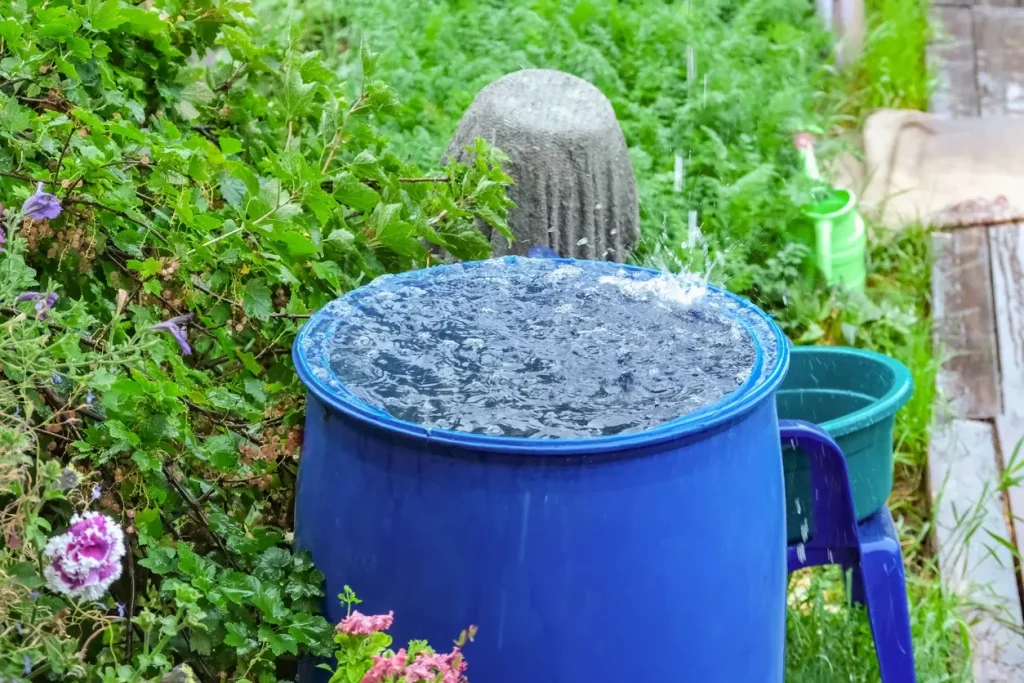
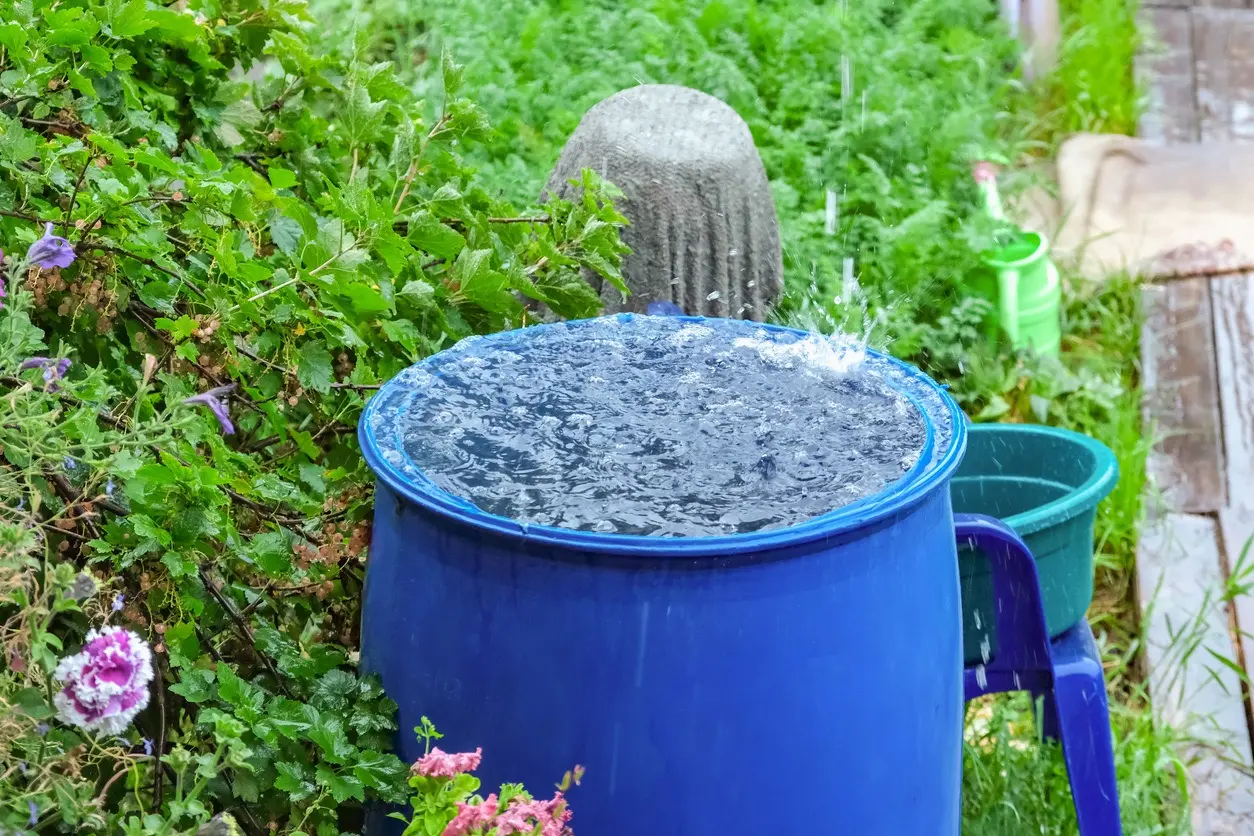
Rainwater harvesting involves collecting and storing rain for future use. It can be a sustainable way to conserve water, reduce utility bills, and lower the demand on municipal water systems. However, in Georgia, as in many other states, this practice is regulated.
Is It Illegal?
Contrary to popular belief, it is not outright illegal to catch rainwater in Georgia, but there are strict guidelines and regulations in place. According to the Georgia Rainwater Harvesting Guidelines, rainwater can be collected for non-potable uses such as irrigation, landscape watering, and toilet flushing. However, for potable uses, the requirements are more stringent. Systems must adhere to specific construction standards and health department regulations to ensure safety and prevent contamination.

Why Are There Regulations?
These regulations exist primarily to protect public health and ensure that water quality standards are met. Unregulated rainwater harvesting systems can pose risks if the water is not properly filtered and treated. Contaminants from roofs, gutters, and storage containers can make rainwater unsafe for drinking and other domestic uses. In addition to this, should the community, as a whole, stop seeking water from the city, a large source of income would be lost for them.
The Importance of Safe Tap Water
While rainwater harvesting is an interesting option for some non-potable uses, the majority of households rely on municipal tap water for their daily needs. Ensuring the safety of your tap water is crucial, especially given the potential contaminants that can infiltrate water supplies.
Common Contaminants in Tap Water
- Lead: Often from aging pipes and fixtures, lead can cause serious health issues, especially in children.
- Chlorine: Used to disinfect water, but can react with organic matter to form harmful byproducts.
- Pesticides and Herbicides: Runoff from agricultural areas can introduce these chemicals into water supplies.
- Bacteria and Viruses: Potentially present in water due to inadequate treatment or contamination of water sources.
Why You Should Get Your Water Tested
Given these potential contaminants, it’s essential to regularly test your tap water to ensure it’s safe for consumption. Here’s why:
- Protect Your Health: Regular testing can identify harmful substances that could impact your health.
- Peace of Mind: Knowing your water is safe allows you to use it without worry.
- Early Detection: Catching contamination early can help you take steps to mitigate the risks before they become serious.
- Informed Decisions: Testing provides the information you need to choose the right filtration systems and other solutions.
Ensure Your Water Safety Today
The legal complexities of rainwater harvesting in Georgia highlight the importance of being proactive about water quality. While collecting rainwater can be a useful practice, it’s crucial to comply with regulations and focus on the safety of your primary water source—your tap water.
Schedule a Free Water Test with Us
Don’t leave the safety of your water to chance. Schedule a free water test with us today to ensure your tap water is free from harmful contaminants. Our comprehensive testing services will provide you with detailed insights into your water quality and help you take the necessary steps to protect your family’s health.
Water is fundamental to life. Let’s ensure it’s safe for you and your loved ones. Contact us today to schedule your free water test and take the first step toward cleaner, safer water in your home.