The History of Chlorine Addition to Tap Water and Its Growing Ineffectiveness
Chlorine has long been a staple in the purification of public water supplies, praised for its effectiveness in killing harmful pathogens and ensuring safe drinking water. However, over time, its efficacy has waned, and concerns about its potential health effects have grown. Understanding the history of chlorine in our water and the emerging issues is crucial for safeguarding public health. To make sure you don’t have excessively high levels of chlorine in your tap water that could be putting your family’s health at risk, click here to schedule a free water test.
The Origins of Chlorination
Early 20th Century Adoption
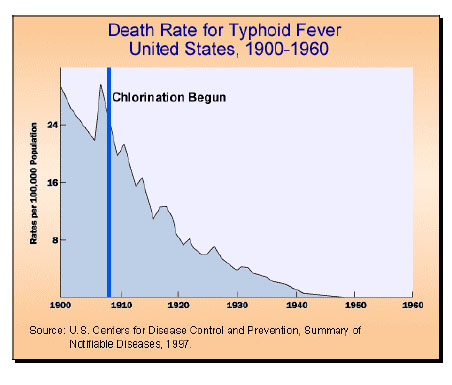
The practice of adding chlorine to water began in the early 20th century. The first major use was in Jersey City, New Jersey, in 1908. This innovation marked a significant turning point in public health, virtually eliminating waterborne diseases like cholera, typhoid, and dysentery. The success in Jersey City led to widespread adoption across the United States and around the world.
How Chlorine Works
Chlorine is a powerful disinfectant. When added to water, it forms hypochlorous acid, which penetrates the cell walls of bacteria and viruses, effectively killing them. This process made drinking water much safer, drastically reducing the incidence of waterborne diseases.
The Decline in Effectiveness
Emerging Contaminants
While chlorine has been effective against traditional pathogens, it has become less effective against newer, more resilient contaminants. Microorganisms like Cryptosporidium and Giardia are resistant to chlorine, posing significant challenges to water treatment facilities. Additionally, chlorine does not remove chemical contaminants such as pesticides, pharmaceuticals, and industrial pollutants.
Biofilm Formation
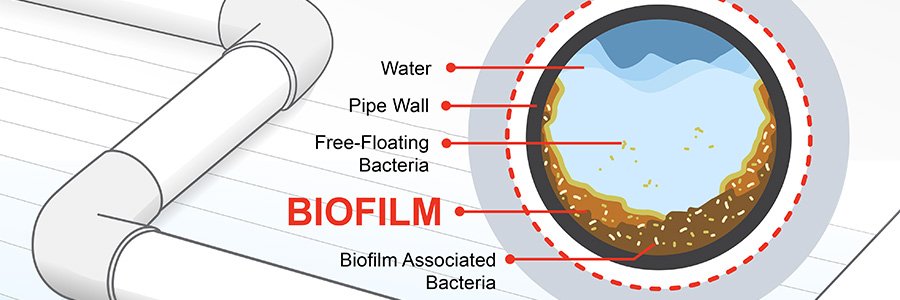
Over time, bacteria can form biofilms on the inner surfaces of water pipes. These biofilms can protect bacteria from chlorine, allowing them to survive and multiply. This reduces the overall effectiveness of chlorine disinfection and can lead to persistent contamination issues.
Disinfection Byproducts (DBPs)
When chlorine reacts with organic matter in water, it forms disinfection byproducts (DBPs) such as trihalomethanes (THMs) and haloacetic acids (HAAs). These byproducts are not only harmful to health but also indicate that chlorine’s interaction with complex water chemistries is creating new problems rather than solving existing ones.
Health Concerns Associated with Chlorine
Respiratory Issues
Exposure to chlorine and its byproducts can cause respiratory problems. Inhalation of chlorine vapors, which can occur during showers or in swimming pools, can irritate the respiratory tract and exacerbate conditions like asthma.
Cancer Risk
Long-term exposure to certain DBPs has been linked to an increased risk of cancer. Studies have shown that THMs are associated with a higher risk of bladder cancer and possibly other cancers.
Skin and Eye Irritation
Chlorinated water can cause dryness and irritation of the skin and eyes. This is particularly concerning for individuals with sensitive skin or preexisting skin conditions.
The Need for Modern Solutions
Given these challenges, it is clear that relying solely on chlorine for water purification is no longer sufficient. Advanced water treatment technologies, such as ultraviolet (UV) light, ozone treatment, and activated carbon filtration, are becoming increasingly necessary to ensure the safety of drinking water.
Ensure Your Water is Safe
With the growing ineffectiveness of chlorine and the potential health risks associated with its byproducts, it is more important than ever to ensure the quality of your tap water. Taking proactive steps to test and treat your water can protect your health and provide peace of mind.
Get Your Free Water Test Today
We offer comprehensive water testing services to identify any contaminants in your tap water, including those that chlorine may not effectively eliminate. Our tests will provide you with detailed information about your water quality and guide you on the best treatment options to ensure your water is safe to drink.
Don’t wait until it’s too late. Schedule your free water test with us today and take the first step toward cleaner, safer water for you and your family. Protect your health by ensuring your water meets the highest safety standards. Contact us now to schedule your free test and start your journey to better water quality.