Understanding the Differences: Water Filters, Softeners, and Purifiers
Ensuring the quality of the water in your home is essential for both health and comfort. However, with various water treatment options available, it can be challenging to know which system is best suited for your needs. This blog post will clarify the differences between water filters, water softeners, and water purifiers, helping you make an informed decision. To check and ensure which option is best for you and your family, be sure to take advantage of our free water testing, by clicking here.
Water Filters
Purpose and Function
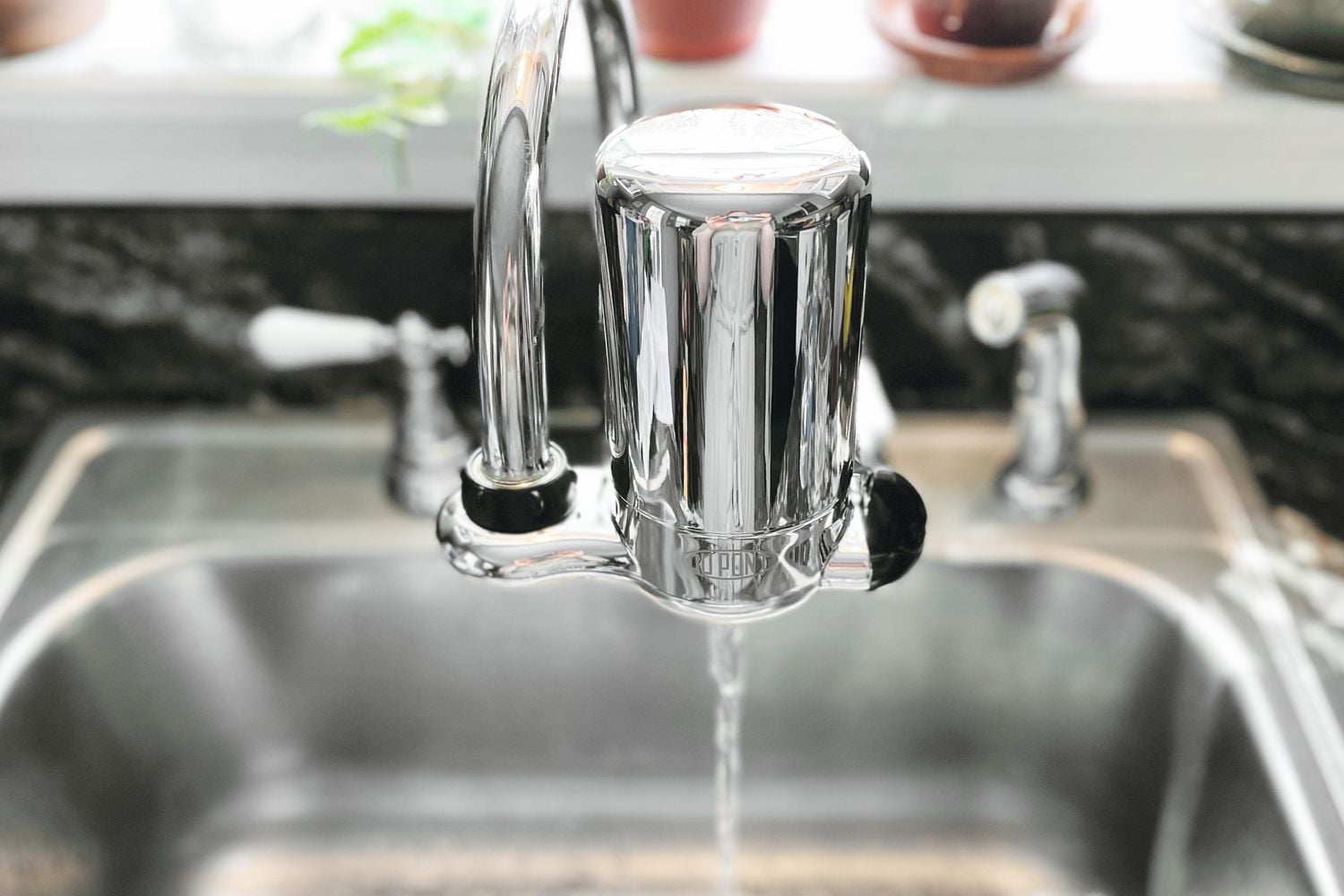
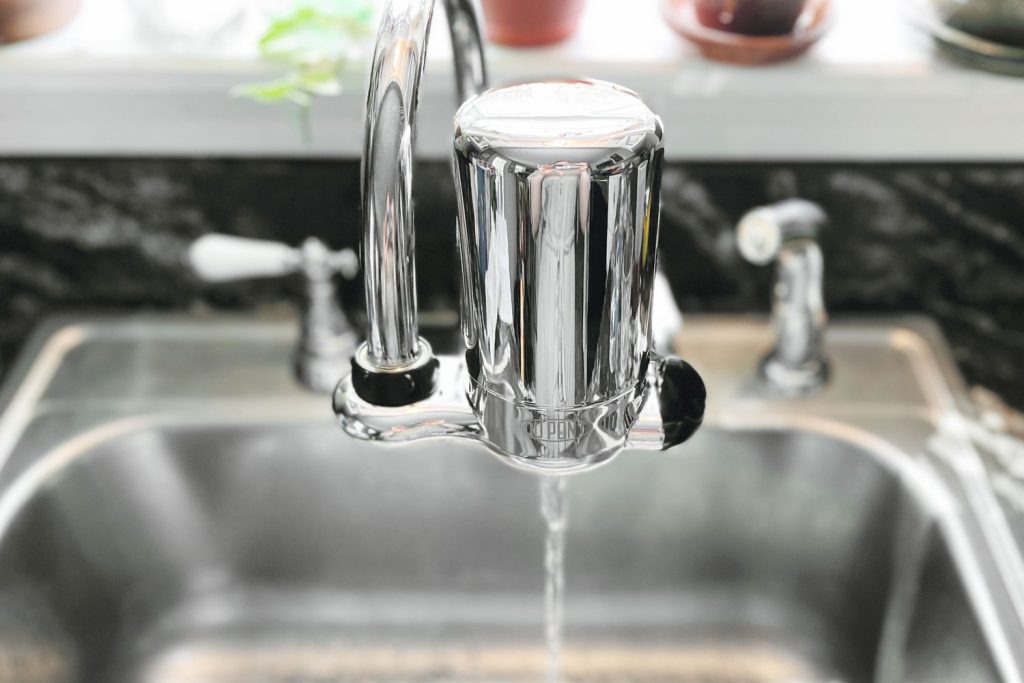
Water filters are designed to remove larger pieces of sediment from your water supply, improving its taste, smell, and but does little for the overall safety of the water coming into your home. There are several types of water filters, each advertising that they serve specific purposes:
- Activated Carbon Filters: These filters are effective at removing chlorine, sediment, volatile organic compounds (VOCs), and certain chemicals that affect taste and odor. They work by adsorbing contaminants onto the surface of the carbon media.
- Sediment Filters: Used to remove large particles like sand, dirt, and rust from water. These are typically the first stage in a multi-stage filtration system.
Common Applications
Drinking Water: Point-of-use filters, such as under-sink and countertop units, are commonly used to improve the quality of drinking water.
Whole House: Point-of-entry systems treat water as it enters the home, providing filtered water throughout the entire house.
The sad thing with filters is that they are rarely all that they are cracked up to be. Even filters with the highest quality membranes rarely will do all that they promise. This is due to the contact time water actually has as it passes through the filter membrane. The less contact time the more impurities.
Water Softeners
Purpose and Function
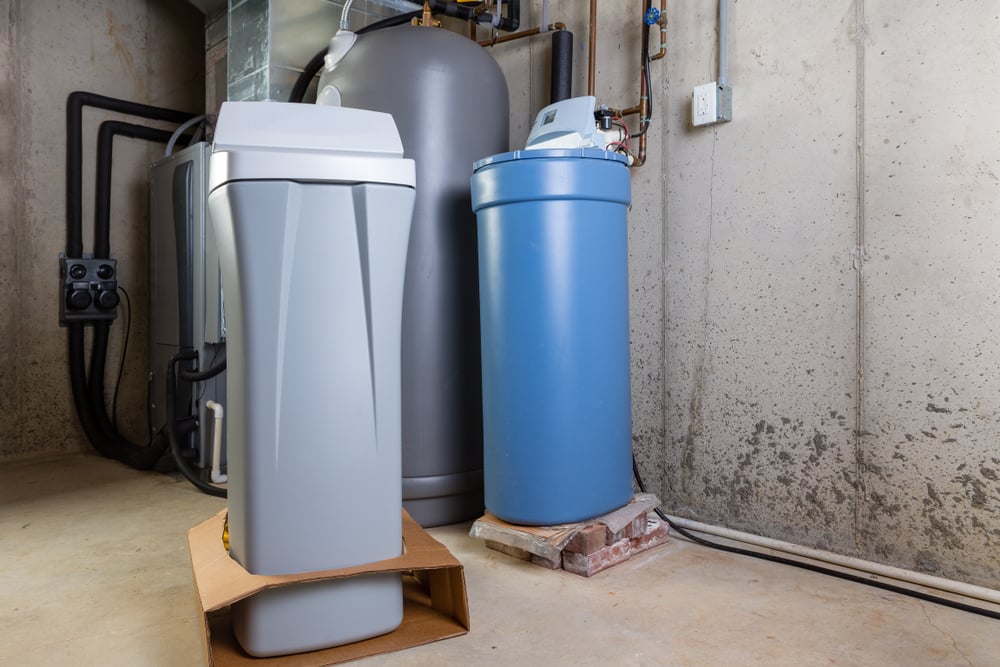
Water softeners address the issue of hard water, which contains high levels of calcium and magnesium. These minerals can cause scale buildup in pipes and appliances, reduce soap effectiveness, and leave spots on dishes and glassware. Water softeners use a process called ion exchange to replace calcium and magnesium ions with sodium or potassium ions.
- Ion Exchange Process: The water passes through a resin bed filled with sodium or potassium ions. The resin attracts and holds the calcium and magnesium ions, releasing sodium or potassium ions in their place. This process effectively softens the water.
Common Applications
- Protecting Plumbing and Appliances: Soft water helps prevent scale buildup in pipes, water heaters, and other appliances, extending their lifespan and improving efficiency.
- Improving Soap and Detergent Performance: Soft water enhances the effectiveness of soaps and detergents, reducing the amount needed and making cleaning more efficient.
- Skin and Hair Benefits: Many people find that soft water leaves their skin and hair feeling softer and cleaner.
Water Purifiers
Purpose and Function
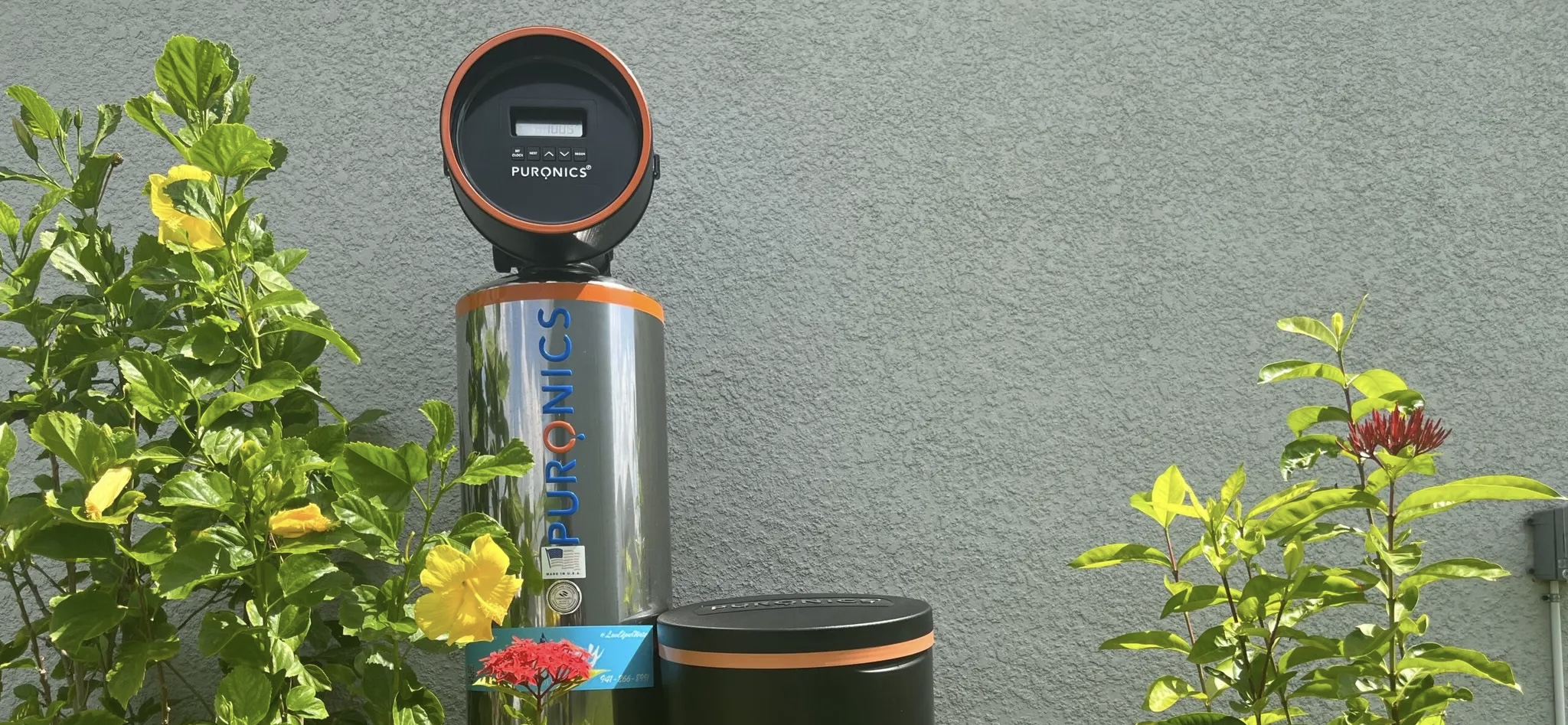
Water purifiers provide a more comprehensive treatment by combining various filtration and purification methods to remove a wide range of contaminants, including biological, chemical, and physical impurities. While the term “water purifier” is often used interchangeably with “water filter,” purifiers generally imply a higher level of treatment.
- Comprehensive Systems: Water purifiers may include multiple stages, such as sediment filtration, activated carbon filtration, reverse osmosis, and UV purification. This combination ensures the removal of a broad spectrum of contaminants.
- Advanced Technologies: Some water purifiers use advanced technologies like electro-deionization, distillation, and ozone treatment to ensure the highest level of water purity.
Common Applications
- Household Use: Point-of-use water purifiers are popular for providing safe drinking water in homes, especially in areas with heavily contaminated water supplies.
- Specialized Use: Purifiers are also used in laboratories, medical facilities, and industries where ultra-pure water is required.
Making the Right Choice
When deciding between a water filter, softener, or purifier, consider the following factors:
- Water Quality: Test your water to determine the specific contaminants and issues you need to address.
- Purpose: Define your primary goal—whether it’s to improve taste, remove specific contaminants, soften water, or achieve comprehensive purification.
- System Type: Decide whether you need a point-of-use system (for drinking and cooking) or a point-of-entry system (for treating all water entering your home).
Ensure Your Water Quality
Understanding the differences between water filters, softeners, and purifiers is the first step toward ensuring clean, safe water in your home. To make an informed decision, start by testing your water to identify its specific issues.
Get Your Free Water Test Today
We offer free water testing services to help you understand your water quality and choose the best treatment solution for your needs. Schedule your free water test with us today and take the first step toward better water quality for you and your family. Contact us now to schedule your test and ensure your water is safe and clean.