Water Main Break in Atlanta: What Happened and the Health Risks
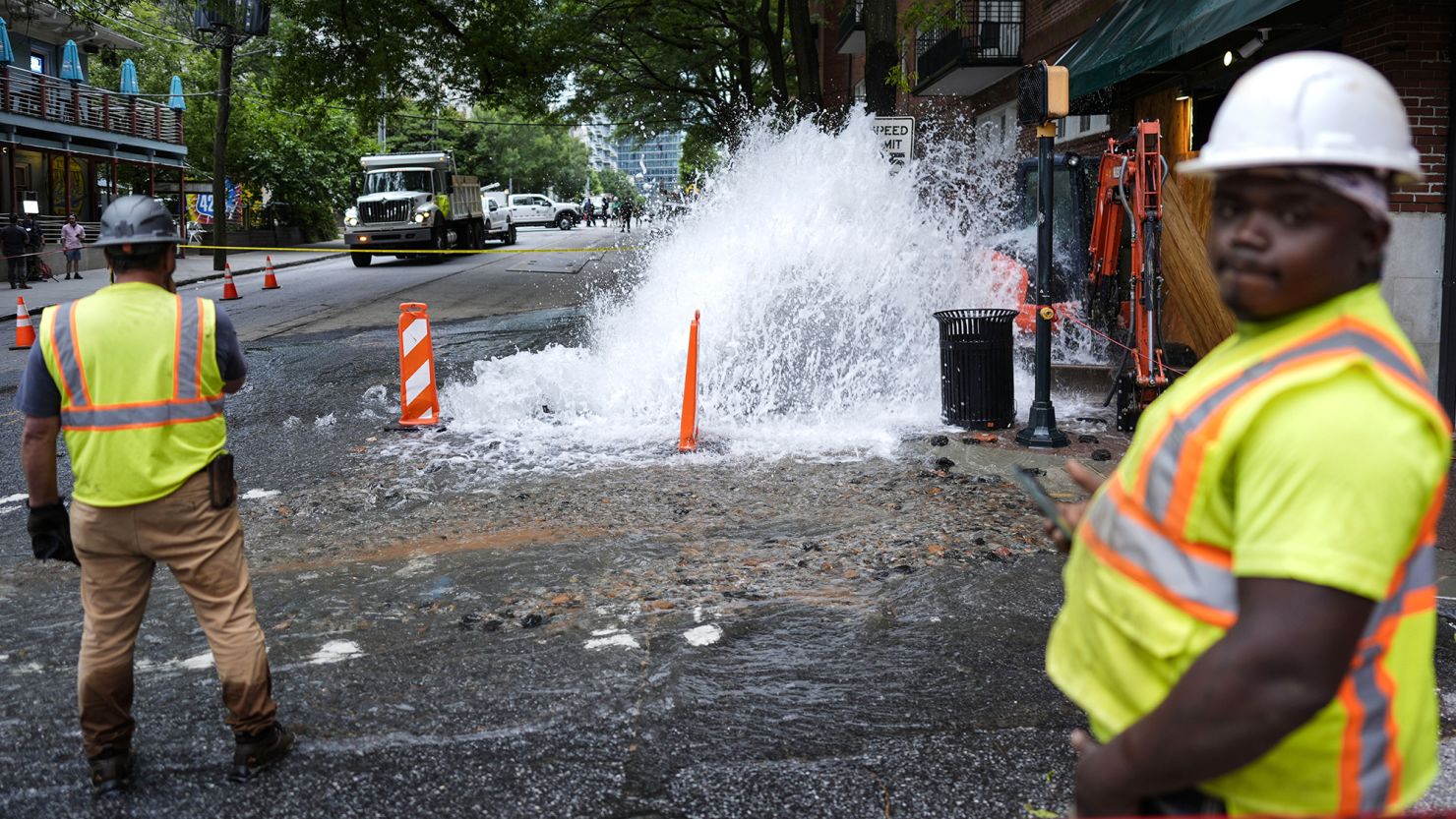
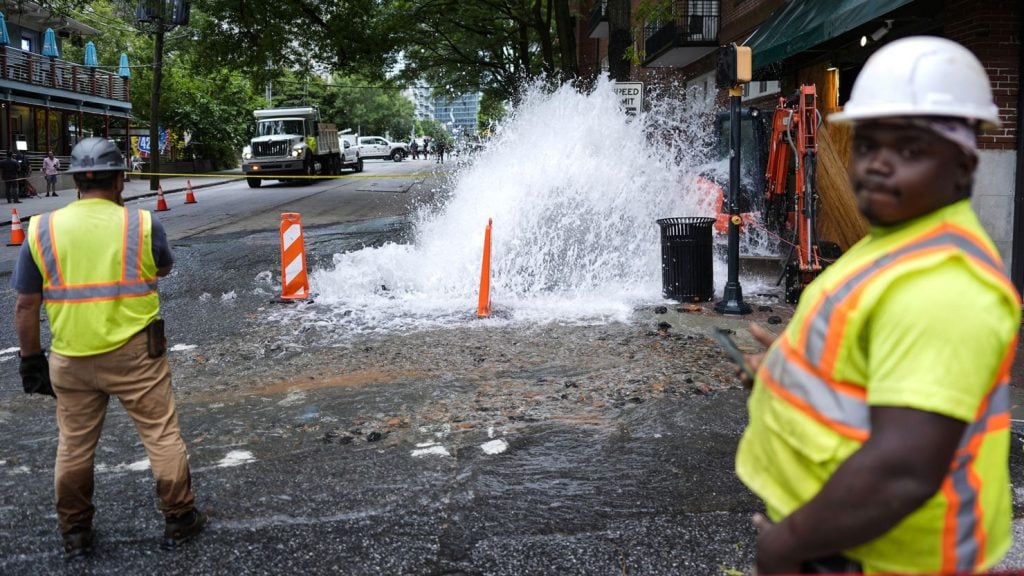
In early June 2024, Atlanta faced a significant water crisis due to a major water main break near the intersection of Joseph E. Boone Boulevard and James P. Brawley Drive. This 32-inch main break disrupted water service for thousands, including critical locations such as the state Capitol, Atlanta City Hall, and Grady Hospital. Many residents and businesses experienced low water pressure or complete outages, prompting the city to issue a boil water advisory as a precautionary measure.
Immediate Response and Repairs
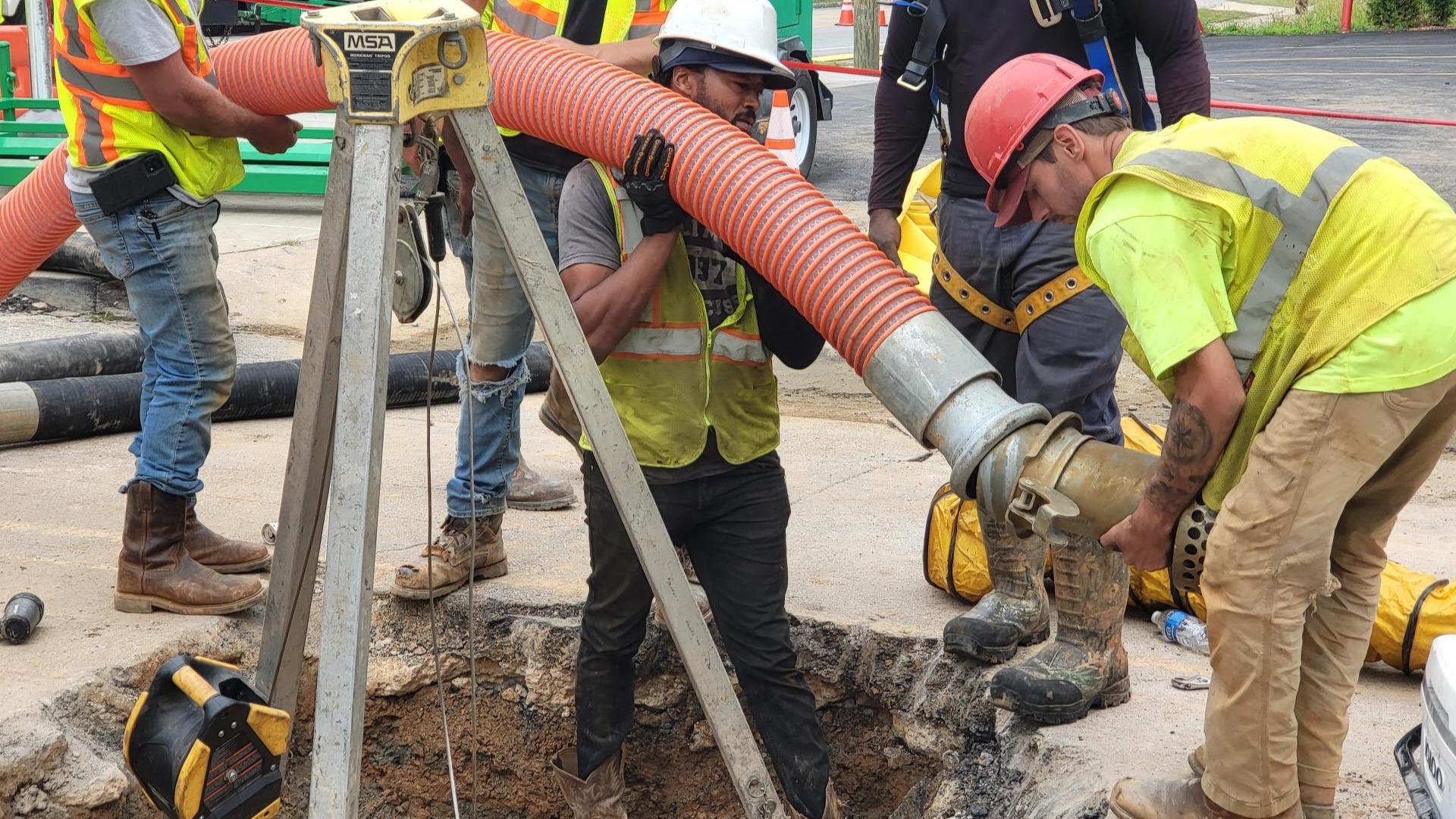
The Atlanta Department of Watershed Management responded quickly, working aggressively to repair the damaged main. Despite their efforts, the incident led to closures of several county facilities and popular establishments like Manuel’s Tavern, The Wrecking Bar, and the Georgia Aquarium. The repair process is ongoing, with crews working tirelessly to restore normal water service across the affected areas (Georgia Public Broadcasting).
Health Risks Associated with Water Main Breaks
Water main breaks pose several health risks, primarily due to the potential introduction of contaminants into the water supply. These risks include:
1. Bacterial Contamination: When a water main breaks, it can create a vacuum that allows bacteria from the soil or surrounding environment to enter the water supply. Contaminants such as E. coli and coliform bacteria can cause gastrointestinal illnesses, including diarrhea, nausea, and vomiting.
2. Chemical Contaminants: Breaks in the water main can also lead to chemical contamination from industrial sites or agricultural runoff. Exposure to these chemicals can cause skin irritation, respiratory issues, and long-term health problems such as cancer or endocrine disruption.
3. Heavy Metals: A sudden drop in water pressure can disturb sediments in the pipes, releasing heavy metals like lead and copper into the water supply. These metals can pose serious health risks, especially to children, affecting brain development and overall health.
Ensuring Your Water is Safe
Given these risks, it’s crucial for residents to take steps to ensure their water is safe:
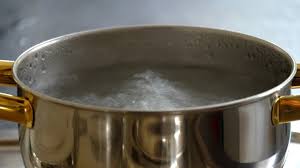
- Follow Boil Water Advisories: Always adhere to boil water advisories issued by local authorities. Boiling water for at least one minute (three minutes at higher altitudes) can kill most bacteria and pathogens.
- Install Water Filtration Systems: Comprehensive water filtration systems, including activated carbon filters, reverse osmosis, and UV purification, can provide additional protection against contaminants.
- Get Your Water Tested: After the immediate crisis, have your water professionally tested to ensure it’s free from harmful contaminants. This can give you peace of mind about the safety of your water supply. To get a free water test, click here to schedule one now.
Ensure Your Water Safety
Water main breaks highlight the vulnerabilities in our water infrastructure and the importance of maintaining water quality. To ensure your water is safe, take advantage of our free water testing services. We offer comprehensive testing to detect a wide range of contaminants, providing you with the information you need to protect your family’s health.
Schedule Your Free Water Test Today
Don’t wait for another emergency. Contact us today to schedule your free water test and take proactive steps to ensure the safety and quality of your water supply. Clean, safe water is essential for your health—let us help you achieve it.