Florida vs. Georgia: The Legal Battle Over the Floridan Aquifer
The legal conflict between Florida and Georgia over water rights has been a longstanding and complex issue, primarily centered around the Floridan Aquifer and the Apalachicola-Chattahoochee-Flint (ACF) River Basin. Here, we’ll explore the history, the core issues, and the implications of this water dispute.
Background of the Dispute
The Floridan Aquifer and ACF River Basin
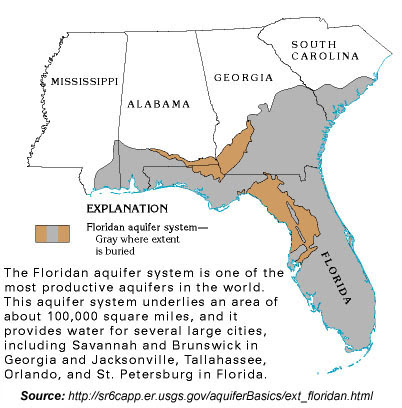
The Floridan Aquifer is one of the largest and most productive aquifers in the world, supplying water to Florida, Georgia, and parts of Alabama and South Carolina. This underground reservoir is crucial for drinking water, agriculture, and industry in these states. The ACF River Basin, comprising the Apalachicola, Chattahoochee, and Flint Rivers, is another critical water resource that sustains both states’ economies and ecosystems.
Roots of the Conflict
The conflict dates back several decades, with disputes arising over the allocation and usage of water from these shared resources. Florida has accused Georgia of consuming excessive amounts of water from the Flint River for agricultural purposes, particularly in Southwest Georgia, which allegedly diminishes the flow into the Apalachicola River and harms the downstream ecosystem, including the oyster fisheries in Apalachicola Bay.
Legal Proceedings
Florida’s Lawsuit
In 2013, Florida filed a lawsuit against Georgia in the U.S. Supreme Court, seeking to cap Georgia’s water usage to ensure a fair distribution of water and to protect the Apalachicola ecosystem. Florida argued that Georgia’s overconsumption during drought periods severely impacted the river flow and the bay’s health.
Georgia’s Defense
Georgia has maintained that its water usage is reasonable and necessary for its economic stability, including the agricultural sector. Georgia officials argue that the state has taken significant steps to improve water use efficiency and that Florida’s demands would negatively impact Georgia’s economy without guaranteeing ecological benefits.
Supreme Court Decisions
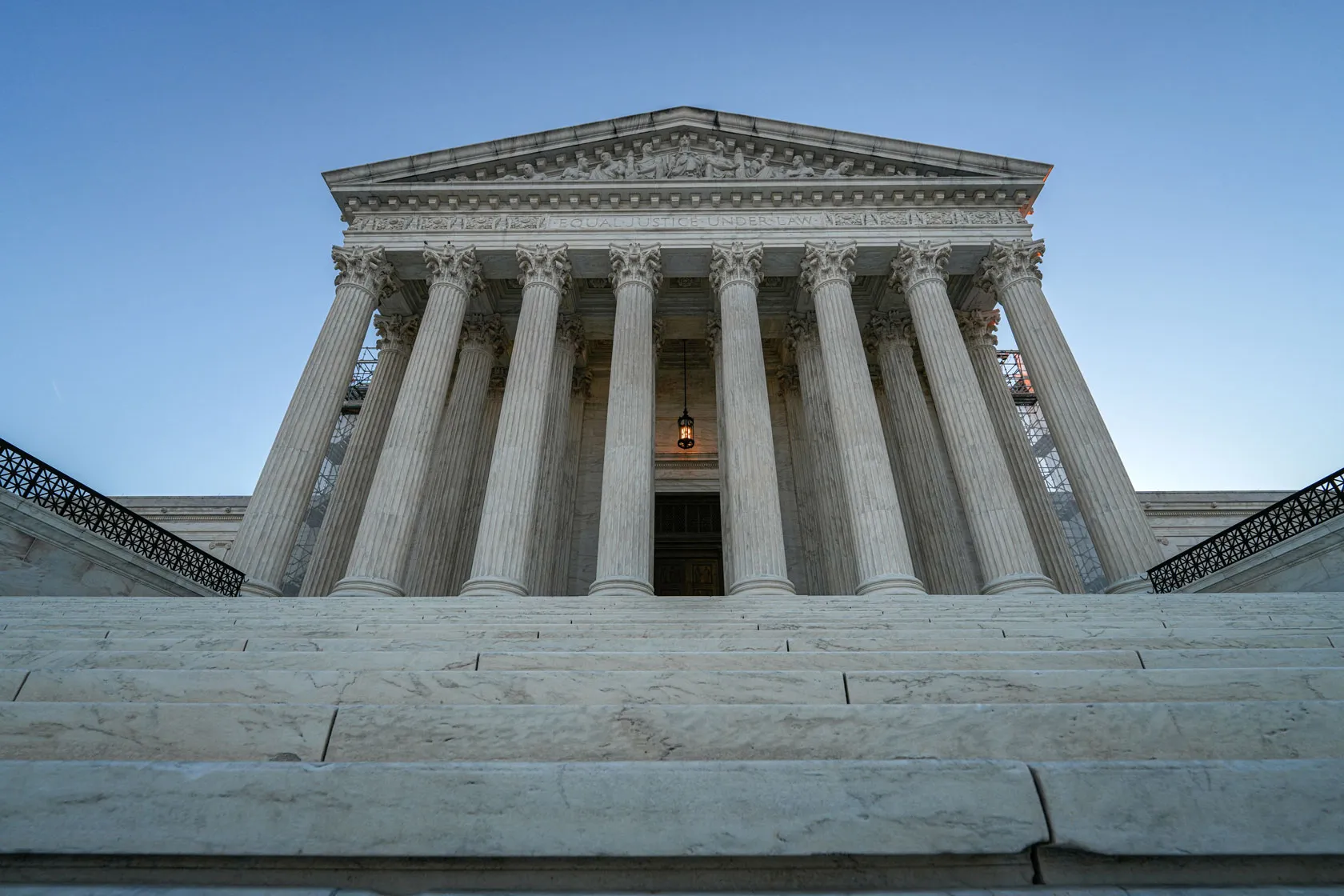
The U.S. Supreme Court has issued several rulings on this matter. In 2018, the Court appointed a special master to oversee the case, who initially recommended rejecting Florida’s request for a water consumption cap. However, the case was sent back for further consideration, indicating the complexity and ongoing nature of this dispute.
Implications of the Dispute
Environmental Impact
The outcome of this legal battle has significant environmental implications. The Apalachicola River and Bay are critical habitats for numerous species. Reduced water flow due to upstream consumption can lead to habitat loss, decline in fish populations, and damage to the oyster industry.
Economic Considerations
Both states have substantial economic interests tied to water resources. For Georgia, agriculture is a major industry that relies heavily on water from the Flint River. For Florida, the health of the Apalachicola Bay is vital for its fishing and oyster industries, which are economically significant.
Regional Water Management
This dispute highlights the broader challenges of regional water management in the face of growing populations, agricultural demands, and climate variability. Effective and sustainable water management practices are essential to balance the needs of different states and stakeholders.
For Now…
As this legal battle continues, it underscores the importance of cooperative water management and conservation efforts. Residents and policymakers must advocate for sustainable practices to ensure the long-term viability of these critical water resources.
Stay Informed and Involved
Stay informed about the latest developments in this case and water management practices. Support initiatives that promote water conservation and sustainable usage. By working together, we can protect our precious water resources for future generations.
Given the complexities of water disputes and potential impacts on water quality, consider getting your water tested. Contact us today for a free water test to ensure your water is safe and clean.