
The Chattahoochee and Urban Runoff: Your Water Made Bad
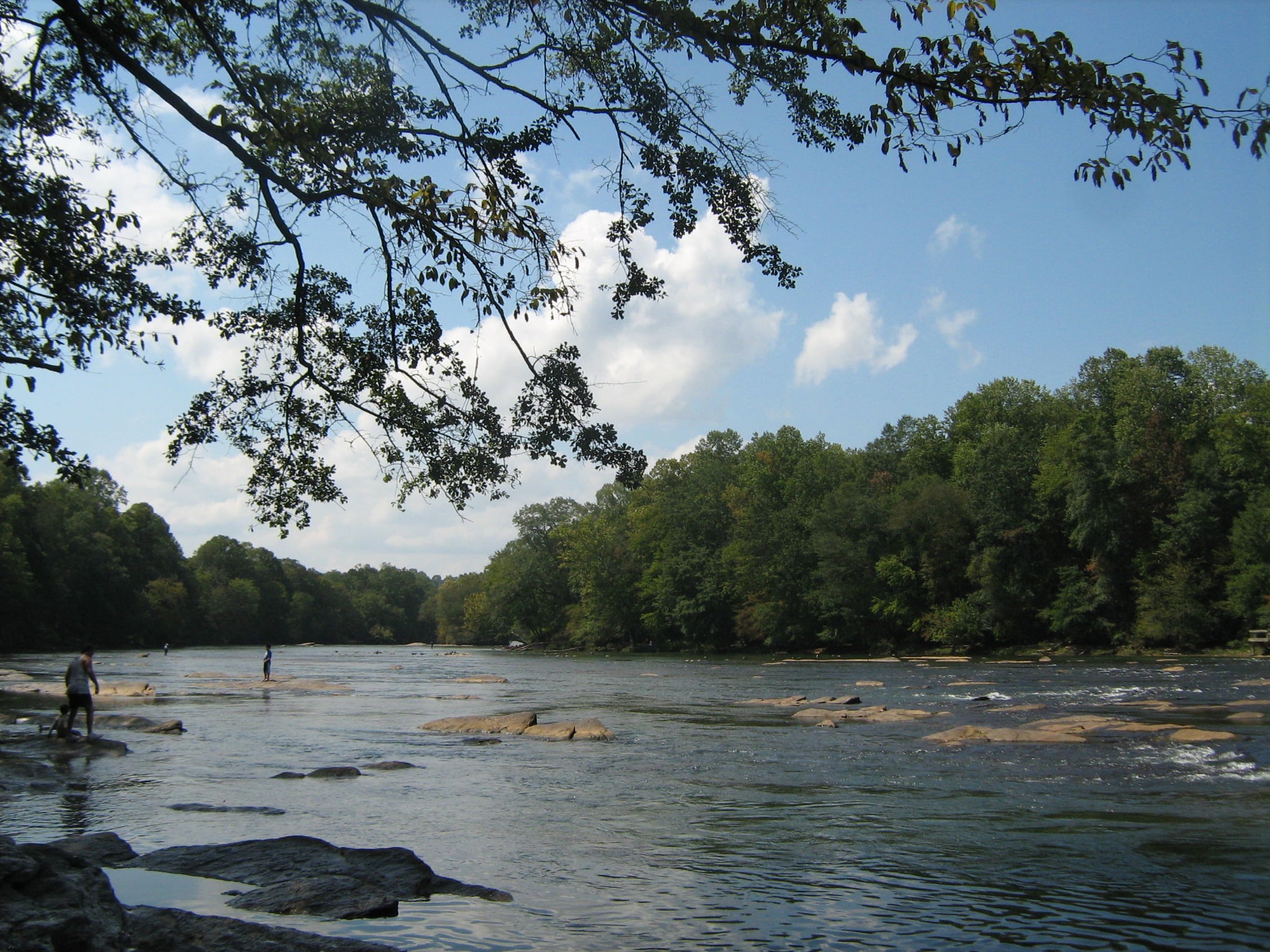
The Chattahoochee River, a crucial water source for millions of people in Georgia and Alabama, faces significant pollution challenges. The single greatest source of this pollution is urban runoff, which makes the water unsafe to drink.
What is Urban Runoff?
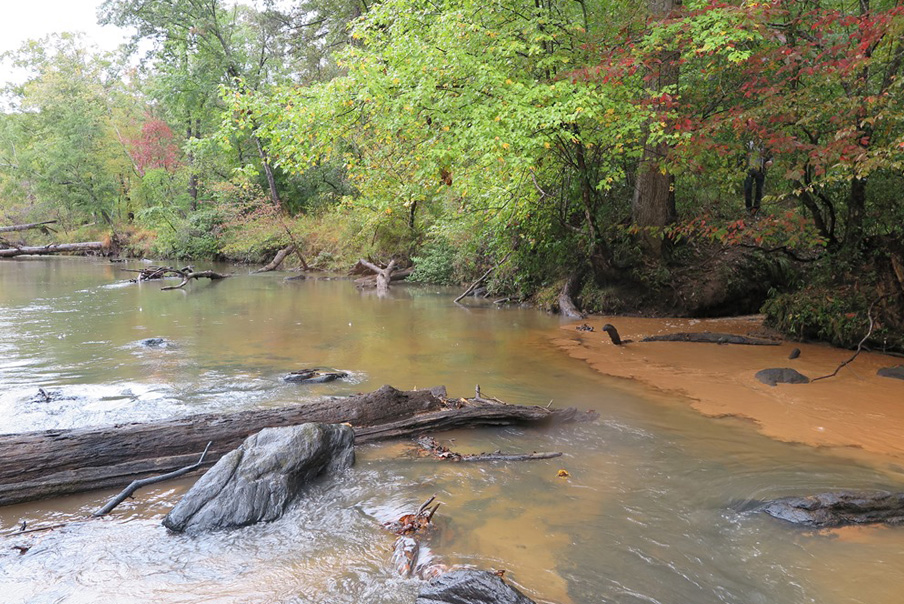
Urban runoff occurs when rainwater flows over impervious surfaces such as roads, parking lots, and rooftops, picking up pollutants along the way. This polluted water then enters the river, carrying a variety of contaminants.
Key Pollutants in Urban Runoff
- Heavy Metals: Vehicles and industrial activities contribute heavy metals like lead, mercury, and cadmium. These toxic metals can accumulate in the river, posing health risks to humans and wildlife.
- Nutrients: Fertilizers and pet waste introduce excess nitrogen and phosphorus into the river. These nutrients can cause harmful algal blooms, which deplete oxygen levels and harm aquatic life.
- Pathogens: Bacteria and viruses from sewage overflows and pet waste can contaminate the water, increasing the risk of waterborne diseases.
- Chemicals: Pesticides, herbicides, and various industrial chemicals can enter the river through runoff, contributing to long-term health risks for those consuming the water.
Impact on Drinking Water
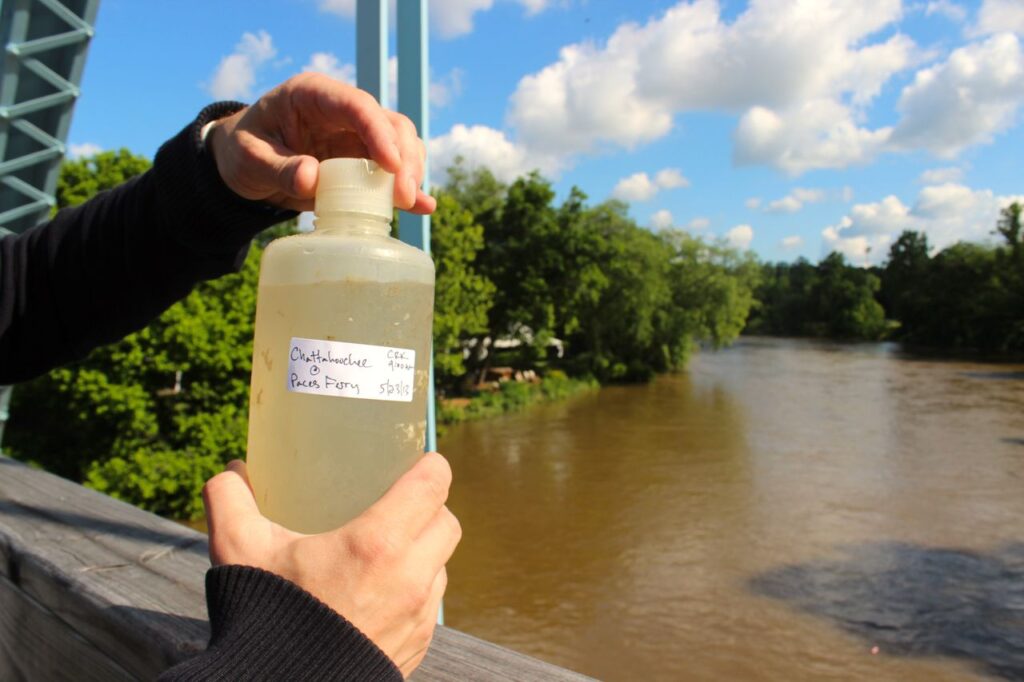
Urban runoff significantly degrades the quality of water in the Chattahoochee River, making it unsafe for direct consumption without treatment. The presence of heavy metals, pathogens, and chemicals necessitates extensive and costly water treatment processes to ensure the water is safe for drinking.
Health Risks
Consuming contaminated water can lead to various health issues, including gastrointestinal illnesses, neurological problems, and long-term diseases such as cancer. Vulnerable populations, such as children and the elderly, are at higher risk.
Mitigation and Prevention
Addressing urban runoff requires comprehensive strategies, including:
- Green Infrastructure: Installing green roofs, permeable pavements, and rain gardens to absorb and filter rainwater.
- Public Awareness: Educating the public about proper disposal of waste and the importance of reducing pollutants.
- Regulation and Enforcement: Implementing stricter regulations on industrial discharges and urban planning to minimize runoff.
What You Can Do
To ensure the safety and cleanliness of the Chattahoochee River, it is crucial for communities and policymakers to take action. Reducing urban runoff pollution can significantly improve water quality and protect public health.
Given the potential risks, it’s essential to ensure your tap water is safe. Contact us today to schedule a free water test and learn more about how you can contribute to protecting the Chattahoochee River from pollution.