The Evolution of Water Disinfection: Pre-Chlorine Methods
For over two centuries, humanity has been searching for effective ways to disinfect water and ensure its safety. Before chlorine became the standard in the early 20th century, several methods were employed to purify water.
Early Methods: Boiling and Filtration
Boiling Water
One of the oldest and most straightforward methods, boiling water, has been used for thousands of years. By heating water to its boiling point, harmful pathogens are killed, making the water safe to drink. This method was widely recommended during outbreaks of cholera and other waterborne diseases.

Sand Filtration
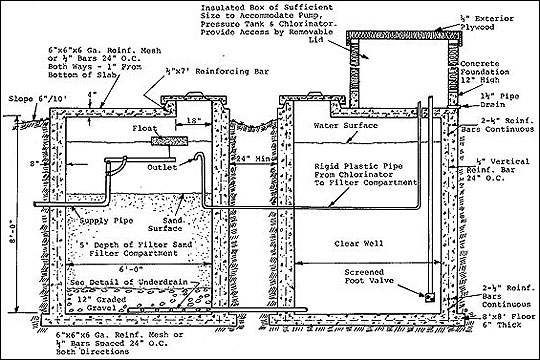
In the 1800s, sand filtration became popular in Europe and America. This method involves passing water through layers of sand and gravel to remove impurities and pathogens. One of the first large-scale uses of sand filtration was in London during the cholera outbreak in 1854, which significantly reduced the spread of the disease.
Chemical Treatments: The Advent of Ozone and Chlorine
Ozone Disinfection
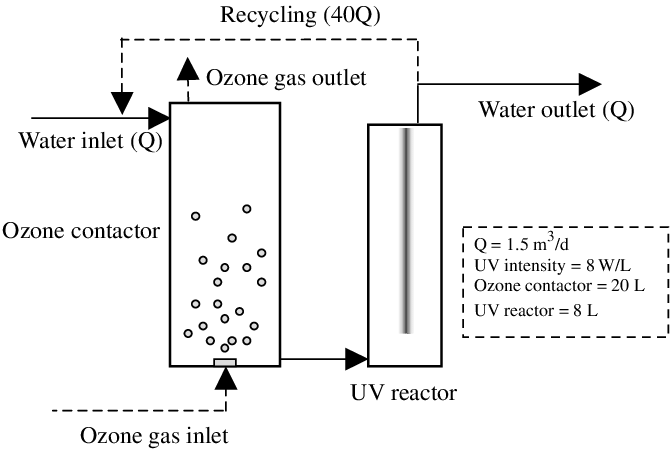
At the turn of the 20th century, ozone began to be used for water disinfection. Ozone, a powerful oxidizing agent, can effectively kill bacteria, viruses, and other pathogens. The first major use of ozone for water treatment was in Nice, France, in 1906. Despite its effectiveness, ozone was not widely adopted due to the complexity and cost of the required equipment.
The Rise of Chlorine
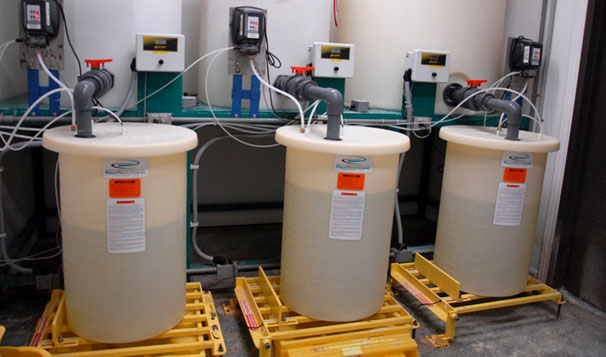
While ozone was effective, chlorine quickly became the standard due to its simplicity and cost-effectiveness. In 1908, Jersey City, New Jersey, became the first city in the United States to use chlorine to disinfect its water supply. Chlorine’s ability to maintain residual disinfectant properties throughout the water distribution system made it the preferred choice for many municipalities worldwide.
Image: Early chlorination equipment used in municipal water systems.
Why Chlorine?
Chlorine’s advantages over previous methods include its ability to kill a wide range of pathogens, its residual disinfectant properties, and its ease of use and cost-effectiveness. This made it the dominant method for water disinfection throughout the 20th century and into the present day. However, emerging evidence suggests that chlorine is becoming less effective at disinfecting water and may pose greater health risks than it was meant to prevent.
Understanding the history of water disinfection highlights the evolution of our methods to ensure safe drinking water. From boiling and sand filtration to chemical treatments like ozone and chlorine, each step has been crucial in safeguarding public health.
Make Sure Your Water is Safe
Ensure your water is safe to drink. Schedule a free water test with us today and learn how modern technology can protect your family’s health.
By learning from the past, we can better appreciate the importance of water safety and continue to improve our methods for a healthier future.