Which Counties in Georgia Have the Worst Drinking Water
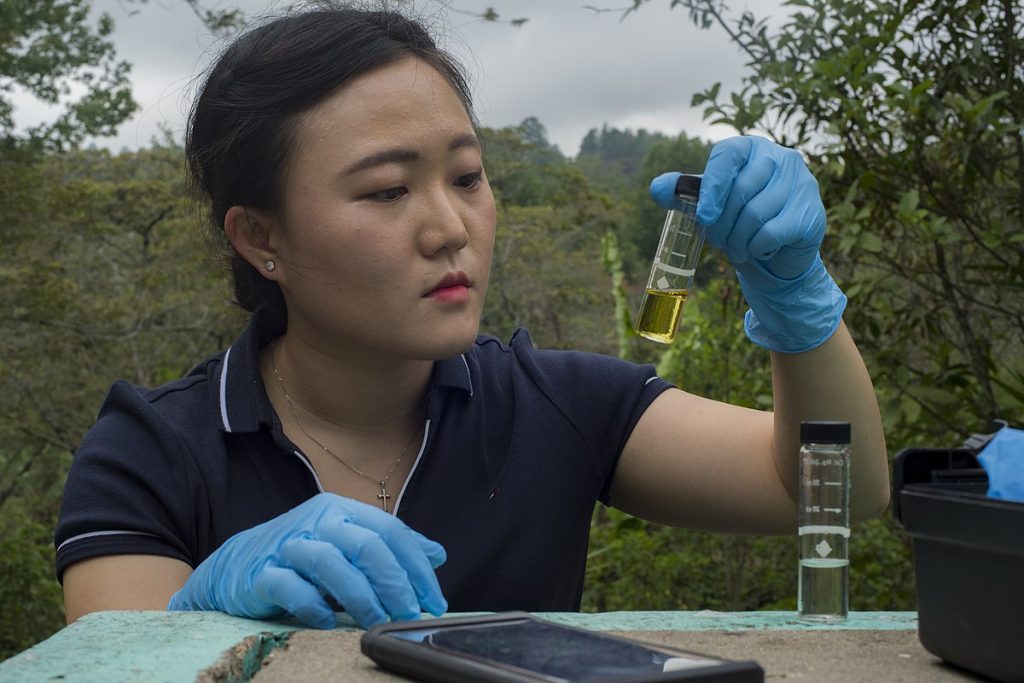
Water quality is a pressing issue in many regions across the United States, and Georgia is no exception. In 2024, several counties in Georgia have been highlighted for their particularly poor drinking water quality. Factors contributing to this issue range from industrial pollution to inadequate water treatment infrastructure. Understanding which counties are most affected and why is crucial for addressing these challenges and ensuring safe drinking water for all residents.
Counties with the Worst Drinking Water
1. Clayton County
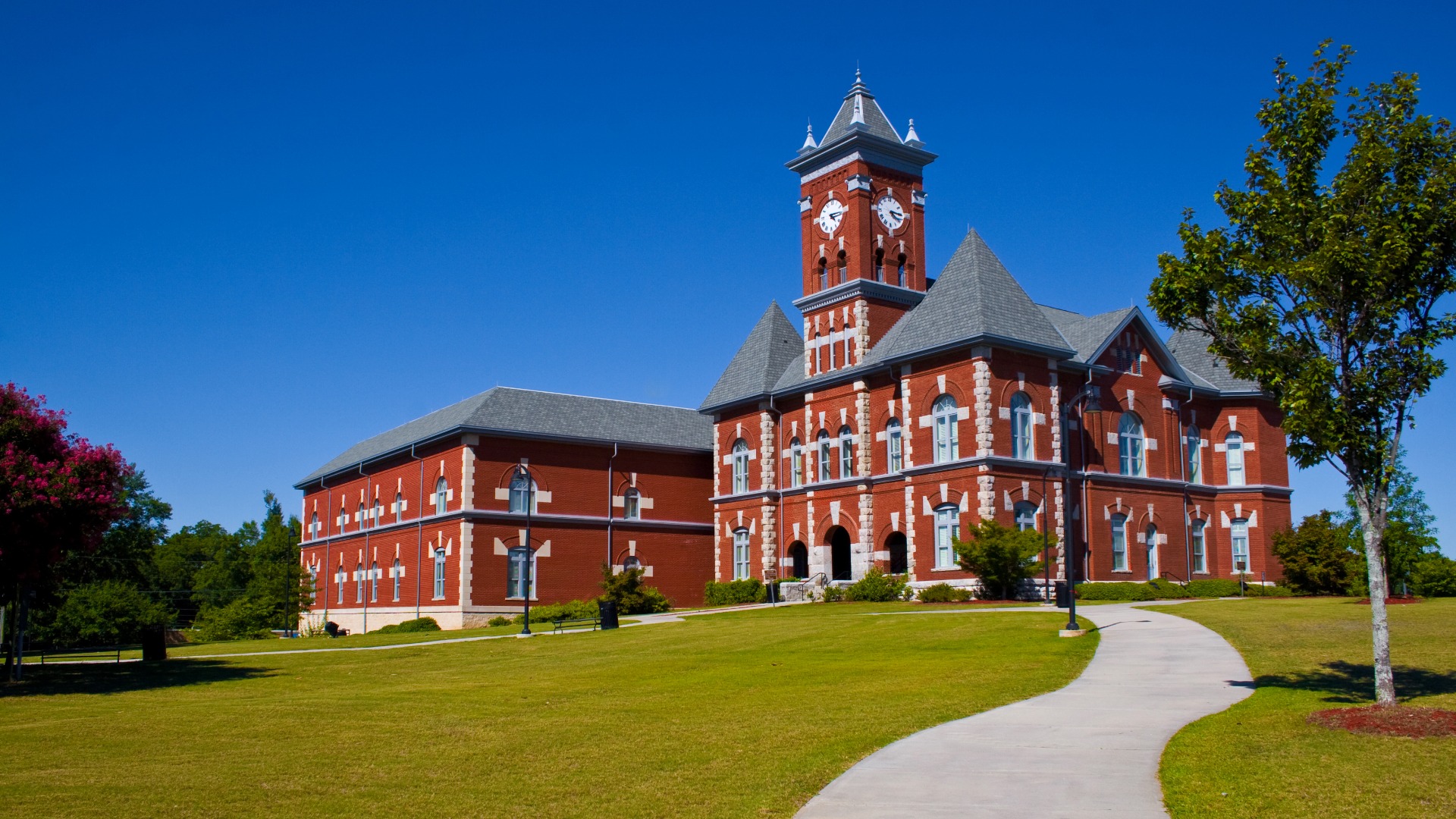
Clayton County has been identified as having significant water quality issues due to the presence of PFAS, also known as “forever chemicals.” These toxic substances have been linked to various health problems, including cancer and developmental delays in children. The county’s water system is facing an enormous financial burden, with estimates suggesting that upgrading the water treatment facilities to remove PFAS could cost around $450 million.
2. Whitfield County
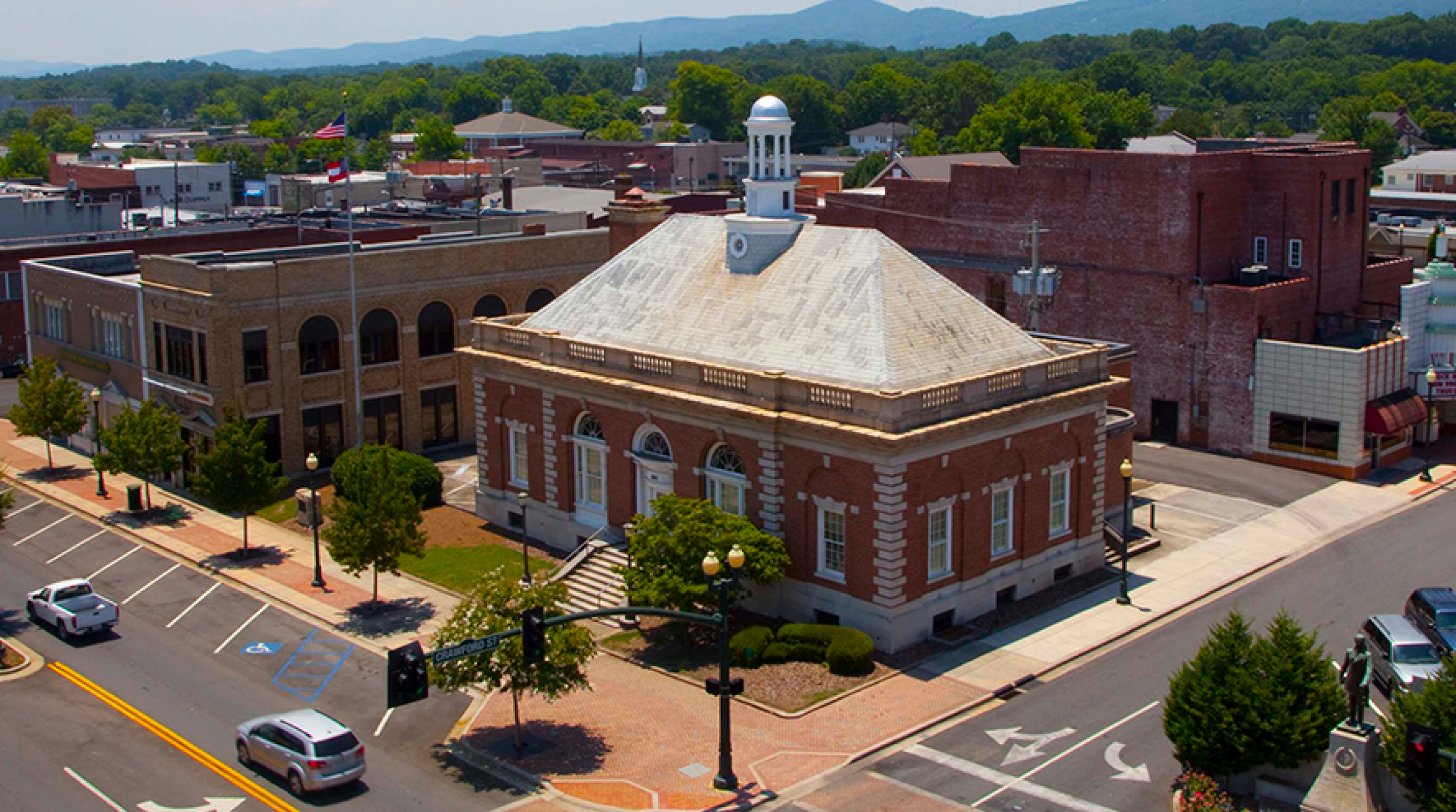
The Conasauga River, which flows through Whitfield County, is heavily contaminated with PFAS. These chemicals are persistent in the environment and pose severe risks to human health. The contamination primarily stems from industrial activities, including manufacturing plants that use these chemicals in their processes.
3. Floyd County
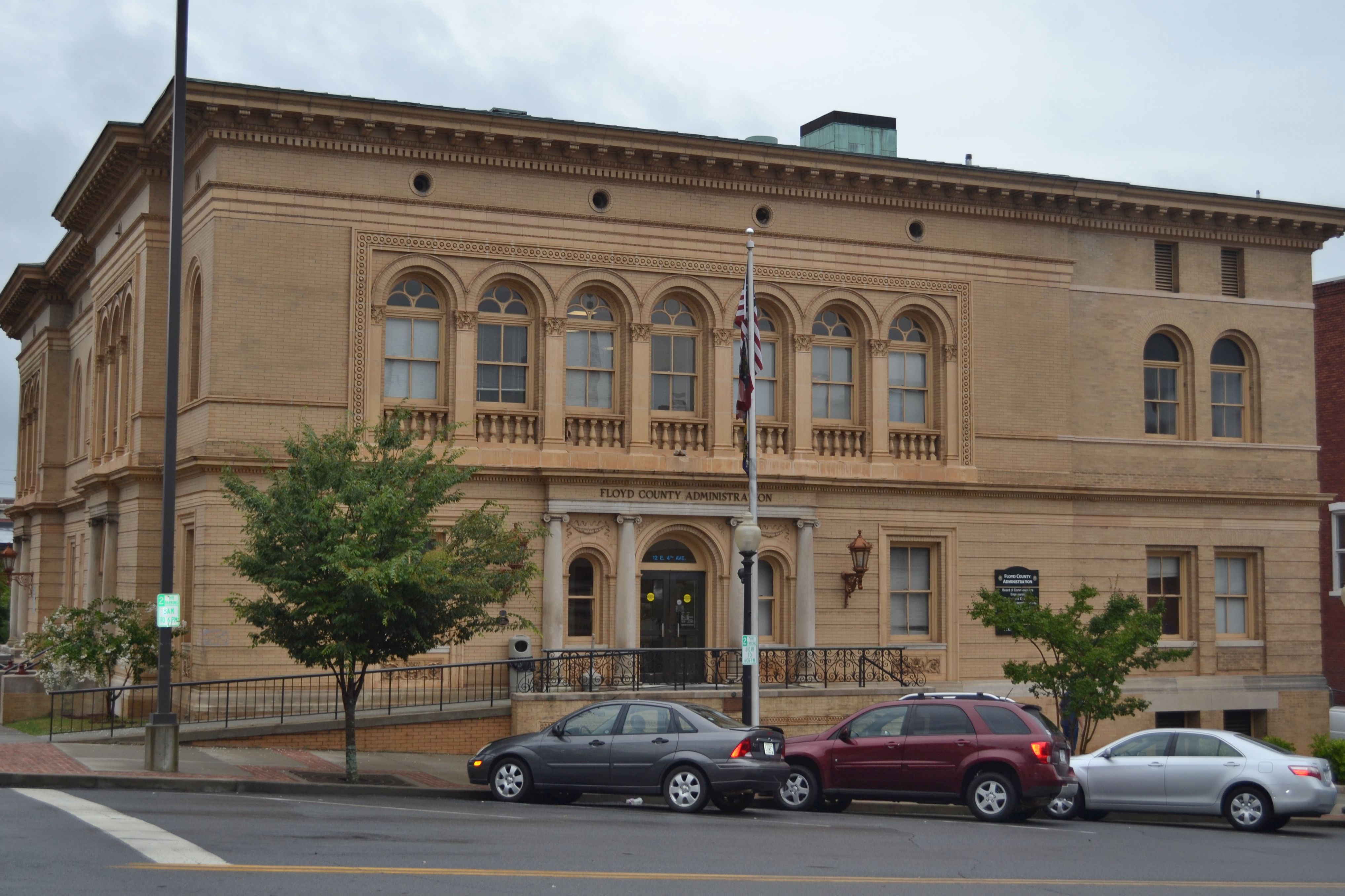
Floyd County is grappling with groundwater contamination from coal ash disposal sites. The cleanup efforts have been slow, and the ongoing pollution continues to threaten the local water supply. This has raised concerns about the long-term safety and quality of drinking water in the area.
4. Wayne County
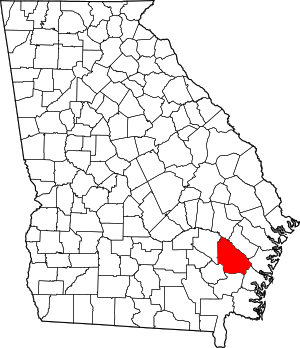
Wayne County’s water quality is compromised by pollution from a local pulp mill. The Altamaha River, often referred to as Georgia’s “Little Amazon,” is affected by this industrial activity, which releases harmful chemicals into the water, endangering both the environment and public health.
5. Effingham and Chatham Counties
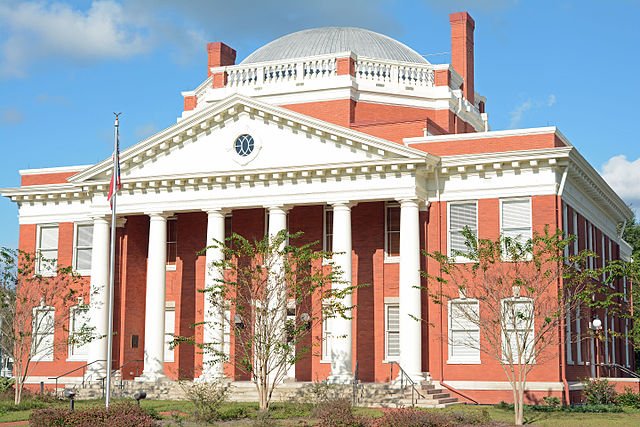
The rapid growth driven by the Port of Savannah is stressing the water supplies in Effingham and Chatham counties. This expansion has led to increased pollution and a higher demand for water, exacerbating the challenges faced by local water systems in maintaining safe and clean drinking water.
Why These Counties Are Affected
The water quality issues in these counties can be attributed to several factors:
- Industrial Pollution: Many of the affected areas are near industrial facilities that release harmful chemicals into the water supply. PFAS contamination is a significant concern, originating from manufacturing plants, airports, and military sites that use these substances.
- Inadequate Infrastructure: The existing water treatment infrastructure in many counties is outdated and unable to effectively remove contaminants like PFAS. Upgrading these systems requires substantial financial investment, which is often beyond the budget of local municipalities.
- Regulatory Lapses: Lax enforcement of environmental regulations and slow progress in implementing new standards have allowed pollution to persist. This has made it challenging to mitigate the risks and ensure safe drinking water for residents.
In the End…
The state of Georgia is facing severe challenges in ensuring the quality of its drinking water, particularly in counties like Clayton, Whitfield, Floyd, Wayne, Effingham, and Chatham. Addressing these issues requires significant investment in water treatment infrastructure, stricter enforcement of environmental regulations, and ongoing monitoring to prevent further contamination. Residents concerned about their water quality should consider getting their water tested and advocate for stronger protections to safeguard public health.
For those worried about the safety of their tap water, we offer free water testing services to help identify any potential contaminants and recommend the best solutions for clean, safe drinking water. Contact us today to schedule your water test and ensure your family’s health is protected.