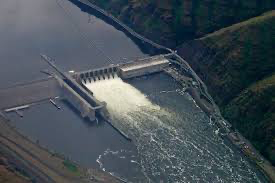
Federal Dam Hurting Native American Communities
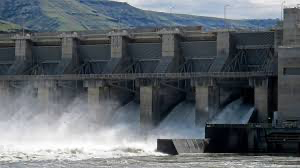
In recent years, the issue of dams on the Columbia and Snake rivers has come under intense scrutiny due to their devastating effects on Native American tribes in the Pacific Northwest. The construction of these dams has led to significant ecological and cultural damage, particularly to salmon populations, which are crucial to the tribes’ way of life. The dams, initially built to provide hydroelectric power, irrigation, and flood control, have disrupted salmon migration, decimated fish populations, and inundated tribal lands and sacred sites.
Historically, the Columbia River Basin was one of the world’s most prolific salmon-producing regions, with up to 16 million salmon returning annually. Today, that number has dwindled to about 2 million, most of which are hatchery-raised. The decline in salmon populations has had severe repercussions not just for the ecosystem but also for the tribes who depend on these fish for sustenance and cultural practices. The federal government’s recent acknowledgment of these harms marks a significant shift in policy, aiming to address the long-standing grievances of the affected tribes and restore salmon habitats.
The continued operation of these dams poses a dilemma. While they provide essential services such as power generation and irrigation, their ecological cost is immense. The debate over dam breaching to restore salmon runs highlights the broader conflict between economic development and environmental preservation. As efforts to recover salmon populations intensify, the government’s commitment to mitigating the adverse effects of these dams will be crucial.
For residents and stakeholders, the acknowledgment of these historical wrongs and the steps being taken to rectify them represent a pivotal moment. The establishment of a new task force to coordinate salmon recovery efforts is a positive development, but it remains to be seen whether these initiatives will be sufficiently funded and supported to make a lasting impact.
It’s clear that addressing the ecological and cultural impacts of dams on the Columbia and Snake rivers is essential for the well-being of the region’s Native American tribes and the environment. To support these efforts and ensure a sustainable future, it’s crucial to stay informed and involved. Consider advocating for policies that promote ecological restoration and support the rights of indigenous communities. Additionally, you can help by contributing to organizations dedicated to salmon recovery and environmental preservation. Let’s work together to create a healthier and more equitable future for all.