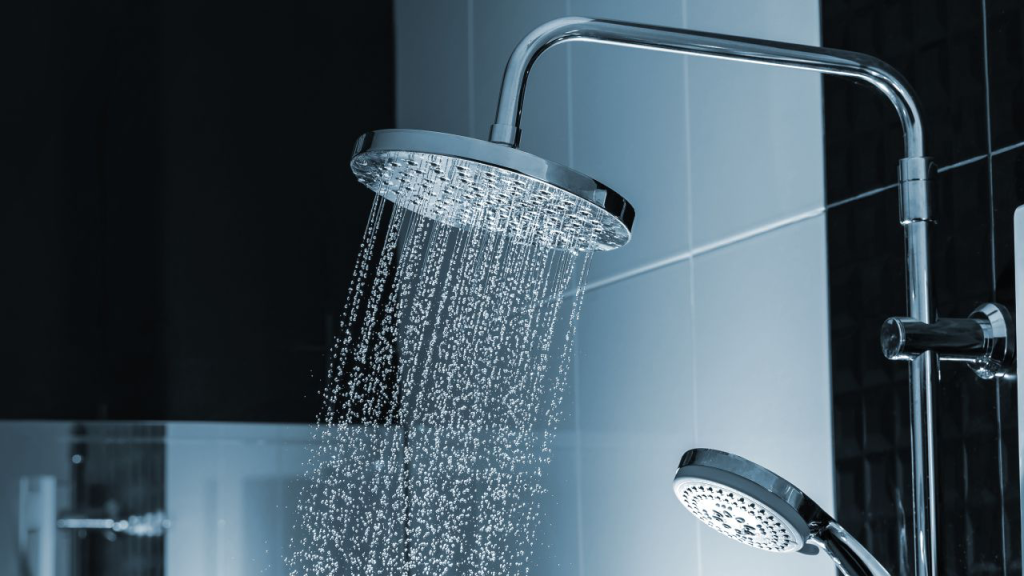
Showering vs. Drinking Tap Water: Which Poses the Greater Risk?
When it comes to tap water, many people focus primarily on the safety of drinking it. However, showering in contaminated tap water can also pose significant health risks. Understanding the different ways in which tap water can impact health through drinking and showering is essential for ensuring overall safety.
Drinking Tap Water
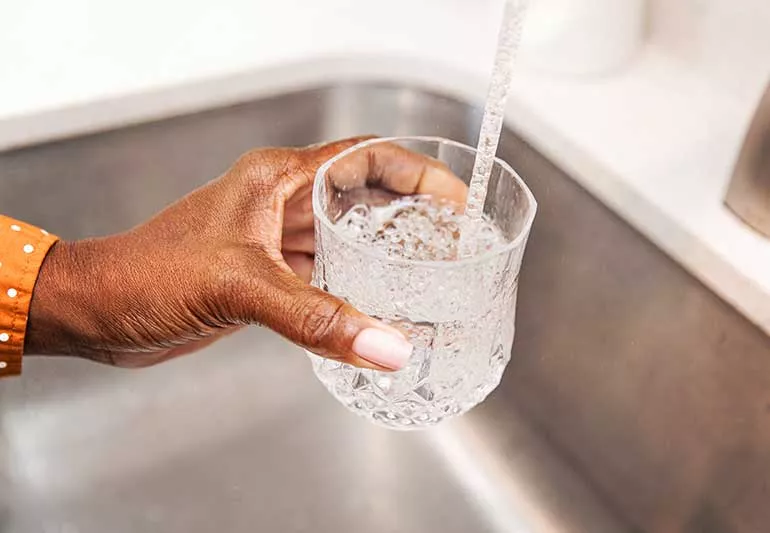
Risks:
- Chemical Contaminants: Drinking tap water may expose you to harmful chemicals like chlorine, lead, pesticides, and industrial pollutants. Long-term exposure can lead to various health issues, including neurological damage, developmental problems in children, and increased cancer risk.
- Microbial Contaminants: Bacteria, viruses, and parasites can cause gastrointestinal illnesses and infections. These pathogens can be particularly harmful to individuals with compromised immune systems.
Impact on Health:
- Direct Ingestion: Contaminants enter the digestive system directly, potentially leading to immediate and long-term health issues.
- Cumulative Exposure: Drinking contaminated water daily can lead to the accumulation of harmful substances in the body.
Showering in Tap Water
Risks:
- Inhalation of Contaminants: Showering in chlorinated water can release chloroform and other volatile organic compounds (VOCs) into the air, which can be inhaled. These substances have been linked to respiratory problems and increased cancer risk.
- Skin Absorption: Chemicals like chlorine and heavy metals can be absorbed through the skin, leading to dryness, irritation, and potentially systemic health effects with long-term exposure.
Impact on Health:
- Respiratory Issues: Inhaling steam with contaminants can affect lung health, causing symptoms like coughing, wheezing, and shortness of breath.
- Skin Conditions: Prolonged exposure to contaminated water can exacerbate conditions like eczema and dermatitis.
Comparing the Risks
Severity and Frequency:
- Drinking Water: The direct ingestion of contaminants makes drinking water a more immediate concern for acute and chronic health issues. The body’s exposure is more direct and can have faster and more pronounced effects.
- Showering: While the risks are generally lower compared to drinking, the inhalation and skin absorption of contaminants can still pose significant health risks, particularly over long periods.
Populations at Risk:
- Infants and Pregnant Women: More vulnerable to contaminants in drinking water due to developing systems and potential impacts on fetal development.
- Individuals with Respiratory Conditions: More susceptible to inhaling contaminants during showers, which can exacerbate asthma and other respiratory issues.
Conclusion
Both drinking and showering in contaminated tap water pose health risks, but drinking contaminated water generally poses a more direct threat due to the immediate ingestion of harmful substances. However, the cumulative effects of inhaling and absorbing contaminants through the skin during showers should not be overlooked.
Ensuring the safety of your water is crucial. Consider getting your tap water tested and investing in filtration systems that address both drinking and showering needs. Schedule a free water test with us today to ensure your water is safe for all uses. Clean, safe water is essential for your health and well-being.