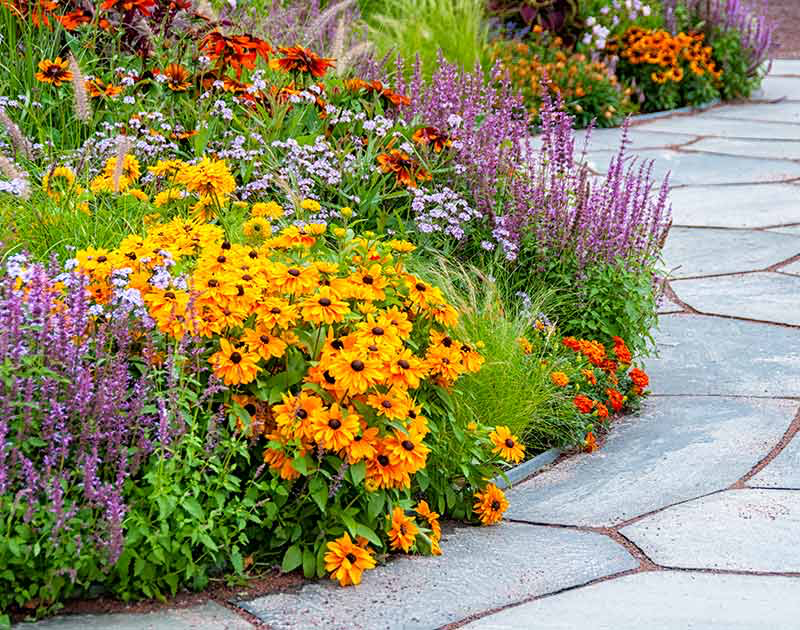
Water’s Role in Plant Health: How Different Types of Water Impact Your Garden
Water is essential for plant growth and health, but not all water is created equal. Understanding how different types of water affect your garden can help you cultivate healthier plants and more vibrant blooms. Let’s explore the impact of various water sources on plant health.
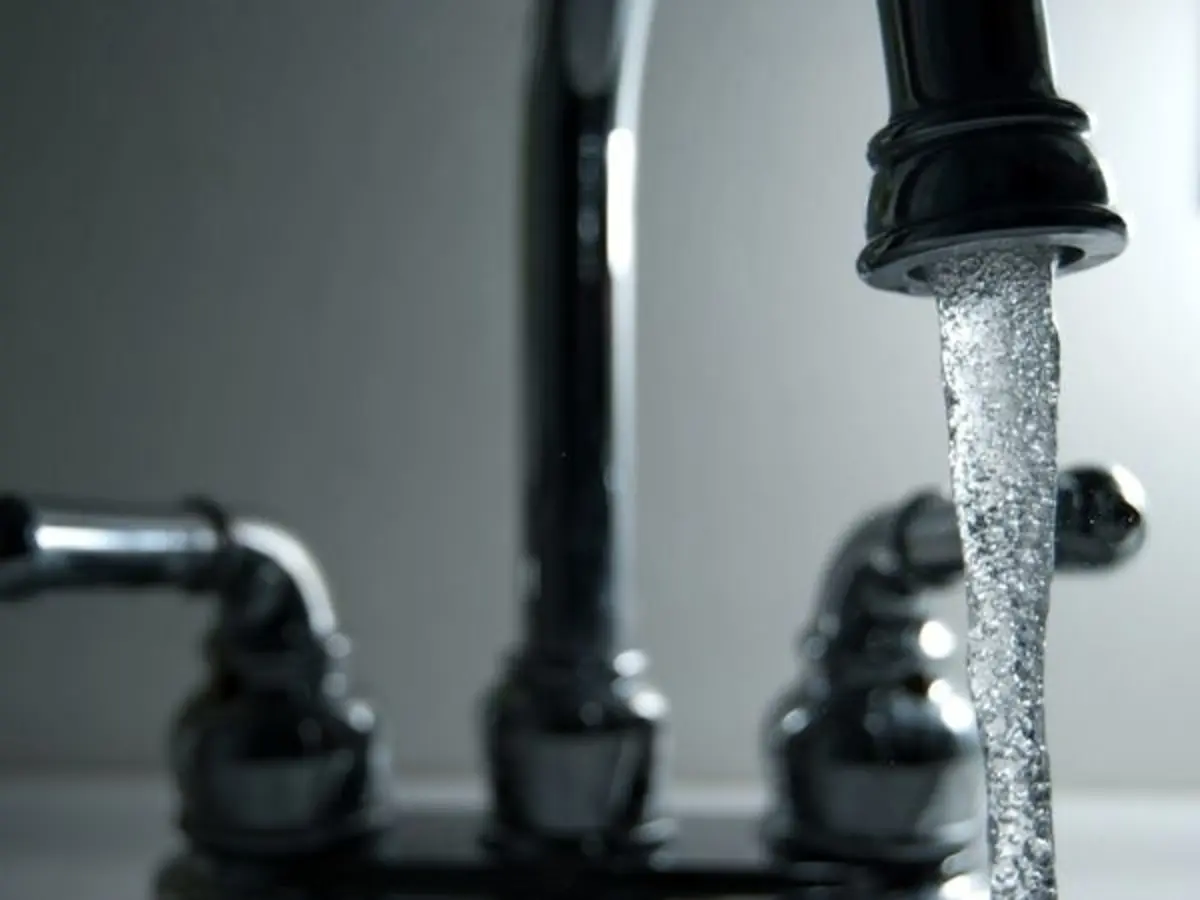
Tap Water
Pros:
- Readily available and convenient.
- Contains some minerals that can be beneficial to plants.
Cons:
- Often contains chlorine, which can be harmful to plants over time.
- May have varying levels of hardness, affecting soil pH and nutrient availability.
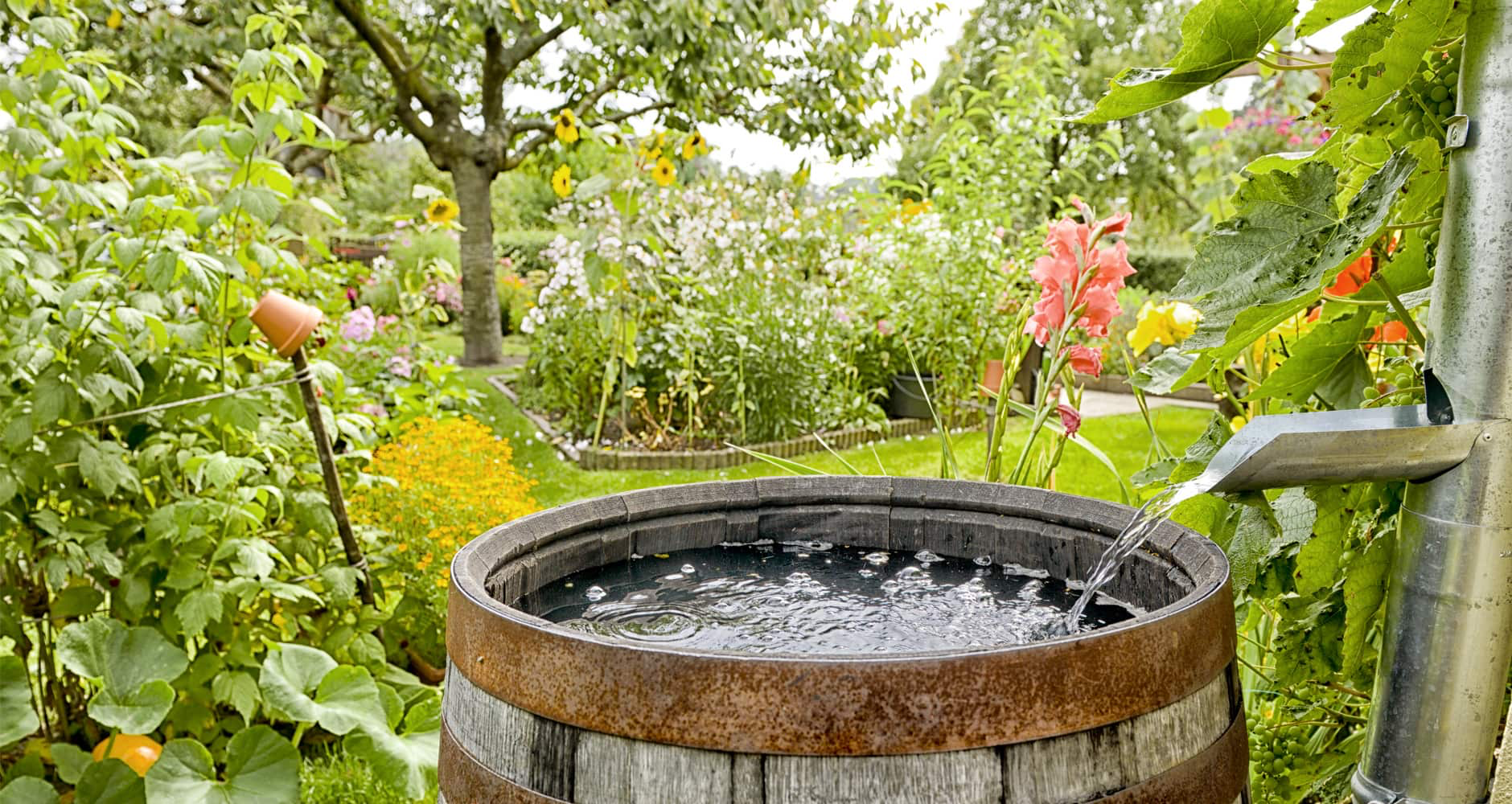
Rainwater
Pros:
- Free of chlorine and other chemicals found in tap water.
- Soft water, ideal for most plants, promoting better absorption of nutrients.
Cons:
- Availability depends on weather conditions.
- May collect pollutants if harvested improperly.
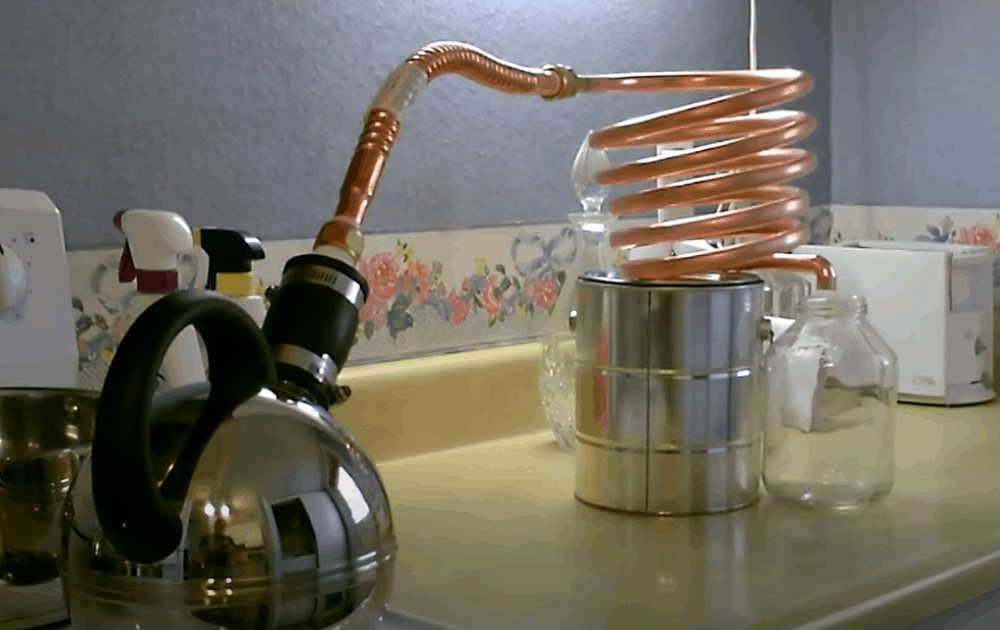
Distilled Water
Pros:
- Pure water with no added chemicals or minerals.
- Ideal for sensitive plants that require specific conditions.
Cons:
- Lacks essential minerals that plants need.
- Can be expensive and impractical for large gardens.
Greywater
Pros:
- Sustainable option for watering gardens, especially in drought-prone areas.
- Reduces overall water consumption.
Cons:
- May contain soaps and chemicals harmful to plants.
- Requires careful management and treatment to be safe for plants.
How to Choose the Best Water for Your Garden
- Test Your Soil: Determine the pH and nutrient levels of your soil to understand what type of water will best support your plants.
- Consider Plant Types: Some plants are more sensitive to certain water types than others. Research the specific needs of your garden plants.
- Use Rainwater: Whenever possible, use rainwater to irrigate your garden. It is typically the best option for most plants.
- Purified Tap Water: If using tap water, consider using a Purifier to remove chlorine and reduce hardness.
Understanding the different types of water and their effects on plant health can significantly enhance your gardening efforts. By choosing the right water source, you can ensure that your plants receive the nutrients they need without the adverse effects of chemicals or hardness. Always consider your plant types, local water conditions, and sustainability practices to make the best choice for your garden.
Are you curious about the quality of your water and its impact on your garden? Schedule a free water test with us today to ensure your water is optimal for your plants’ health. Let’s work together to create a thriving, beautiful garden.