Water and Your Food
Water is more than just a thirst-quencher; it plays a crucial role in cooking and food preparation. The quality of the water you use can significantly affect the taste, texture, and nutritional value of your meals. Let’s explore how different aspects of water quality impact your culinary creations.

Mineral Content and Cooking
The mineral content in water, known as hardness, can influence the cooking process:
- Hard Water: High in calcium and magnesium, hard water can make vegetables tougher and take longer to cook. It can also interfere with the rising of dough and bread.
- Soft Water: With fewer minerals, soft water can make beans and legumes cook more quickly and evenly. It also preserves the natural colors of vegetables, making them more visually appealing.
The Role of pH in Cooking
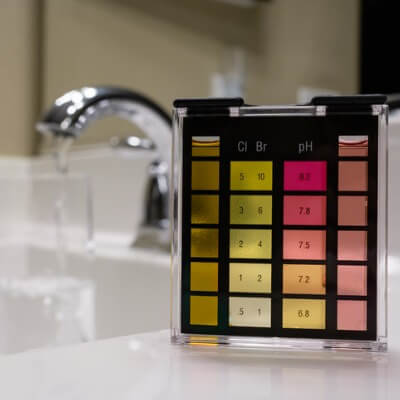
Water’s pH level can also affect cooking outcomes:
- Acidic Water (pH < 7): Can help in preserving the color and texture of fruits and vegetables. It’s ideal for making sauces and soups as it enhances the flavor.
- Alkaline Water (pH > 7): Can cause vegetables to become mushy and discolored. It’s less effective in breaking down proteins, which can affect the texture of meat dishes.
Chlorine and Chemical Contaminants
Many municipalities add chlorine to tap water to disinfect it. While this is good for safety, it can impact the flavor of food:
- Chlorine: Imparts an off-taste to dishes and beverages like tea and coffee. It can also react with other ingredients, altering the intended flavor profile.
- Other Contaminants: Pesticides, heavy metals, and other pollutants can find their way into your water supply, posing health risks and affecting the taste and safety of your food.
Enhancing Cooking with Purified Water
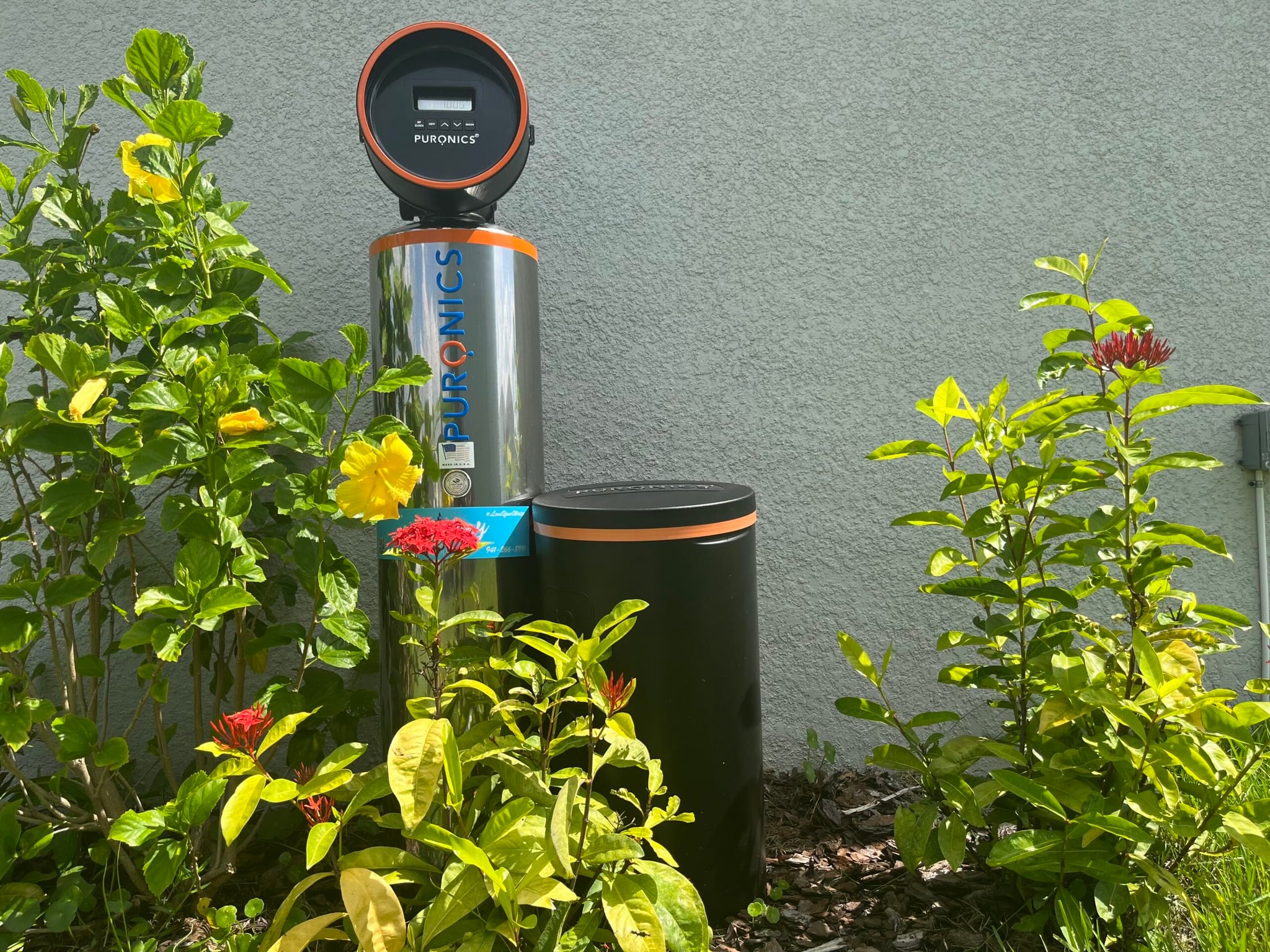
Using filtered or purified water can make a noticeable difference in your cooking. Here’s how:
- Improved Taste: Removing chlorine and other chemicals enhances the natural flavors of your ingredients.
- Better Texture: Cooking with softer water can yield more tender and visually appealing dishes.
- Nutrient Retention: Pure water helps preserve the nutritional value of your food by minimizing the loss of vitamins and minerals.
Water quality is a vital, yet often overlooked, factor in cooking. Understanding how different types of water affect your culinary outcomes can help you make better choices and improve your meals. Consider using filtered water to enhance the taste, texture, and nutritional value of your dishes.
Curious about the quality of your tap water and its impact on your cooking? Schedule a free water test with us today to ensure you’re using the best water possible in your kitchen. Taste the difference pure water can make!