The Latest Updates on Contaminants in Tap Water and Their Health Risks

Ensuring the safety of tap water is a critical concern as new contaminants are continuously being discovered. Recent findings highlight several key contaminants that can adversely affect our health:
PFAS: The “Forever Chemicals”
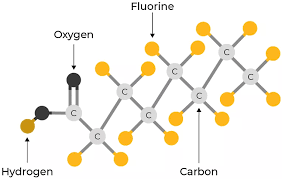
Per- and polyfluoroalkyl substances (PFAS) have been identified as a significant threat to public health. These chemicals, used in various industrial and consumer products, are resistant to degradation and accumulate over time in the environment and human body. The EPA has recently established the first-ever national drinking water standards for six PFAS compounds, including PFOA and PFOS, due to their links to serious health issues such as cancer, liver damage, and immune system effects (US EPA) (US EPA).
Lead Contamination
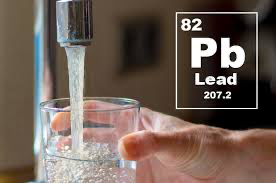
Lead continues to be a major concern, especially in older infrastructure. Lead can leach into water through corroded pipes and fixtures, leading to serious health problems, particularly for children. Even low levels of lead exposure can result in developmental delays and learning difficulties in children, as well as kidney problems and high blood pressure in adults.
Microplastics
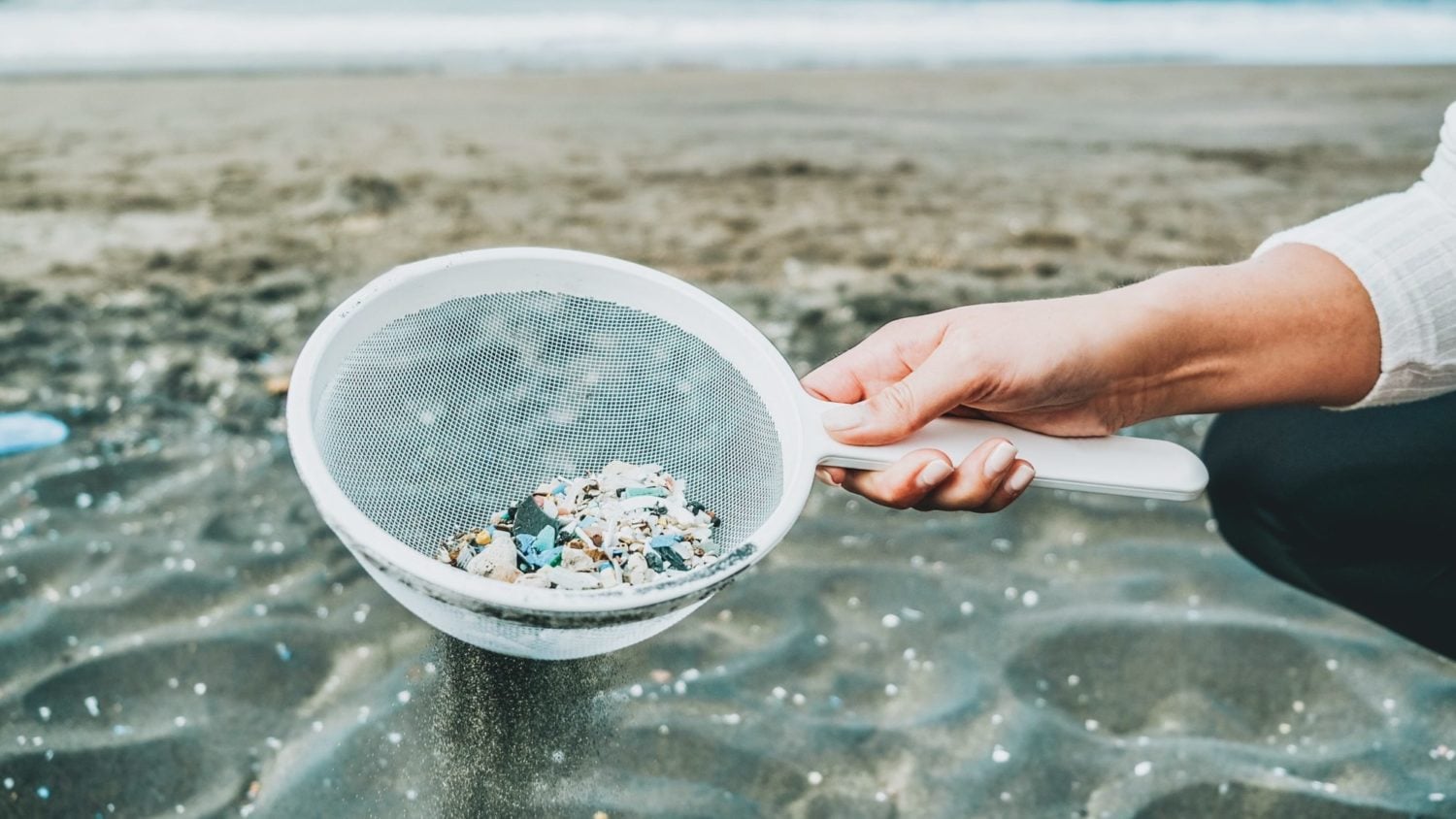
Microplastics, tiny plastic particles, are increasingly being detected in tap water worldwide. These particles come from various sources, including plastic waste, clothing fibers, and personal care products. The health impacts of microplastics are still being studied, but there is concern about their potential to cause physical and chemical harm, including disruption of endocrine systems and toxicity from absorbed pollutants.
Emerging Contaminants
Apart from well-known contaminants, new substances are continually being detected in tap water. Pharmaceuticals, personal care products, and endocrine-disrupting chemicals are among the emerging contaminants of concern. These substances can enter water supplies through various pathways, including agricultural runoff and wastewater discharge. The long-term health effects of these contaminants are still under investigation, but they pose potential risks to both human health and the environment.
What Can Be Done
To combat these contaminants and ensure the safety of tap water, several measures can be taken:
- Regular Testing: Regularly testing your water can help identify the presence of harmful substances. This is especially important for private wells, where the responsibility for water quality falls on the homeowner.
- Water Purifiers: Installing water purifiers can significantly reduce or eliminate contaminants from your tap water. Systems like reverse osmosis, activated carbon filters, and ion exchange can effectively remove a range of pollutants, including PFAS, lead, and microplastics. These purifiers ensure that the water you consume is clean and safe.
- Infrastructure Upgrades: Municipalities need to invest in updating aging infrastructure to prevent lead contamination and improve water treatment processes. Public awareness and advocacy can push for these necessary changes.
- Reducing Plastic Use: Minimizing the use of plastics can reduce the amount of microplastics entering the water supply. Opting for reusable products and proper waste management are steps individuals can take to contribute to this effort.
Why This Matters
The presence of these contaminants in tap water underscores the importance of regular testing and infrastructure updates. It’s crucial to stay informed about the quality of your water and take necessary steps to protect your health.
To ensure your tap water is safe, consider scheduling a free water test with us. Our comprehensive testing can identify the presence of harmful contaminants and help you take the appropriate measures to protect your family’s health. Don’t wait until it’s too late—know what’s in your water and how to address it today.