Unseen Threats: The Rise of Algal Blooms in Drinking Water Supplies
In recent years, the emergence of algal blooms has become a growing concern for drinking water safety. These blooms, caused by excessive growth of algae in water bodies, can produce harmful toxins that pose significant health risks. Understanding the causes, impacts, and prevention strategies for algal blooms is crucial for ensuring the safety of our drinking water.
What Are Algal Blooms?
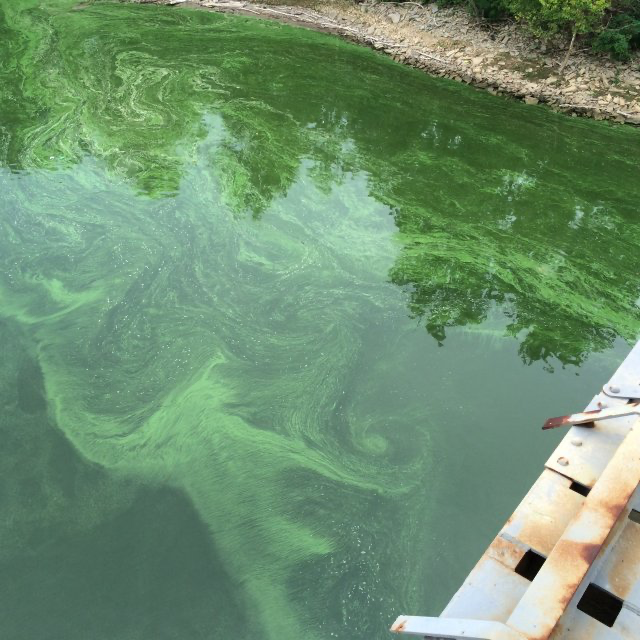
Algal blooms occur when algae, particularly cyanobacteria (also known as blue-green algae), grow rapidly in water bodies. This growth is often fueled by an excess of nutrients, primarily nitrogen and phosphorus, which can come from agricultural runoff, wastewater discharge, and other human activities. While not all algal blooms are harmful, some produce toxins that can contaminate drinking water supplies.
Health Risks Associated with Algal Blooms
The toxins produced by harmful algal blooms (HABs) can have severe health impacts:
- Microcystins: These toxins can cause liver damage, gastrointestinal issues, and skin irritation. They are particularly dangerous when ingested, but can also pose risks through skin contact and inhalation.
- Cylindrospermopsin: This toxin affects the liver and kidneys, and can also cause gastrointestinal distress and other symptoms.
- Anatoxins: Known as “Very Fast Death Factor,” these neurotoxins can cause symptoms ranging from headaches and dizziness to severe neurological damage.
Exposure to these toxins can be particularly dangerous for vulnerable populations such as children, the elderly, and those with compromised immune systems.
Recent Incidents and Trends
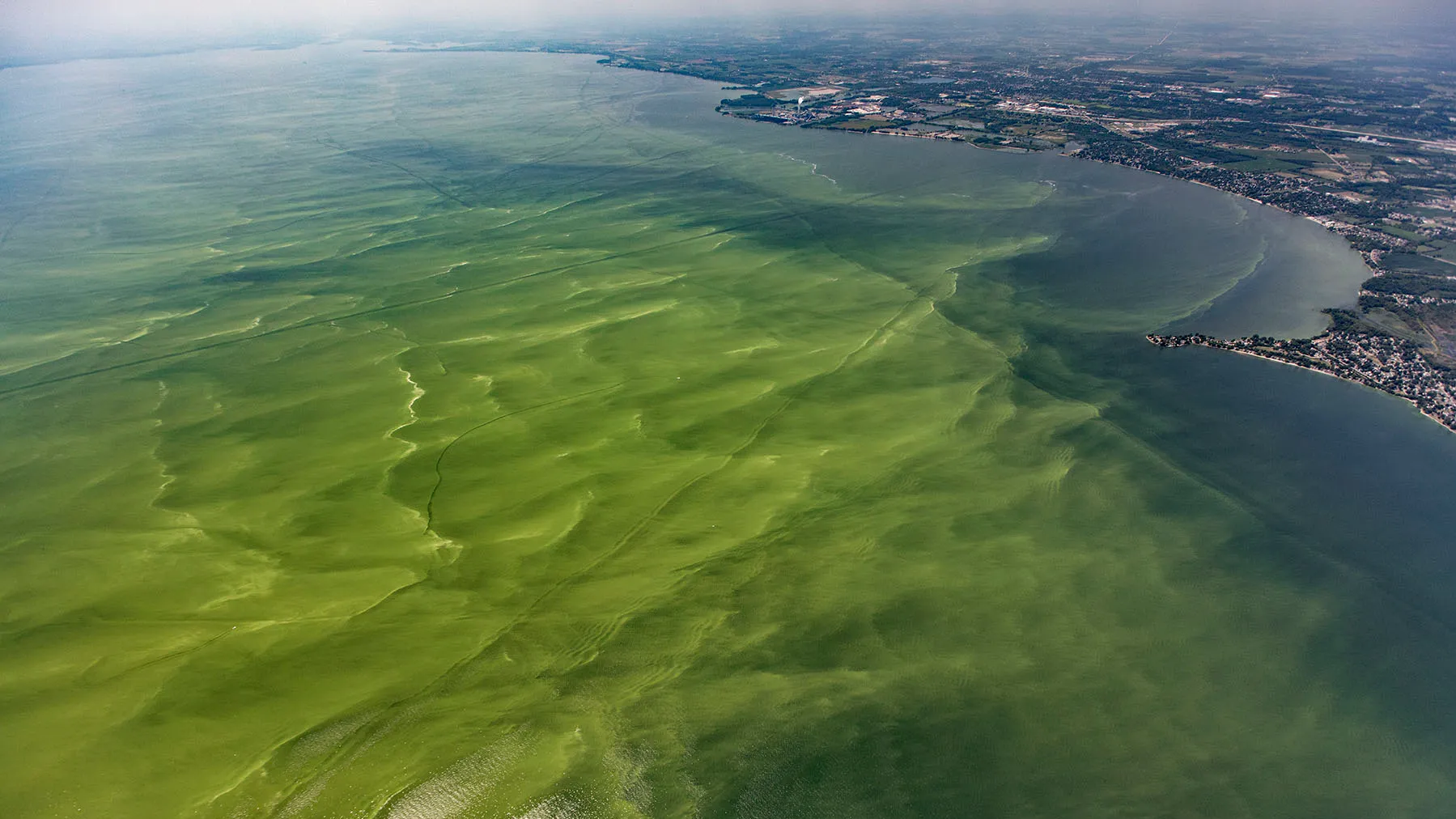
The incidence of harmful algal blooms is increasing globally, and the United States is no exception. For instance, Lake Erie has experienced significant algal blooms that have contaminated drinking water supplies for communities relying on the lake. In 2014, the city of Toledo, Ohio, had to issue a “do not drink” advisory for its tap water due to microcystin contamination from an algal bloom.
What Can Be Done?
Ensuring safe drinking water in the face of increasing algal blooms requires a multi-faceted approach:
- Nutrient Management: Reducing nutrient runoff from agriculture and wastewater treatment plants is critical. Implementing best management practices (BMPs) in agriculture, such as buffer strips and cover crops, can help reduce nutrient pollution.
- Advanced Water Treatment: Water treatment facilities need to adopt advanced treatment technologies to remove algal toxins. Methods such as activated carbon, ozonation, and advanced oxidation processes can effectively reduce toxin levels in drinking water.
- Monitoring and Early Warning Systems: Regular monitoring of water bodies for algal blooms and toxin levels can provide early warnings and allow for timely interventions. Remote sensing technology and satellite imagery are valuable tools for tracking algal blooms.
- Public Awareness and Education: Educating the public about the causes and risks of algal blooms can promote community involvement in pollution reduction efforts. Simple actions like reducing fertilizer use and properly disposing of waste can make a significant difference.
Call to Action
Given the rising threat of algal blooms, it is crucial to take proactive steps to protect our drinking water. Schedule a free water test with us to ensure your water is safe from harmful contaminants, including algal toxins. Our comprehensive testing services can identify a range of pollutants and provide you with the necessary information to safeguard your family’s health. Don’t wait—act now to ensure your water is clean and safe.