The Role of Water Towers in Modern Water Distribution Systems
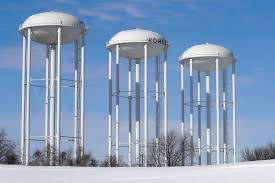
Water towers are a ubiquitous part of the urban landscape, standing tall and often overlooked. These structures play a crucial role in ensuring a consistent and reliable water supply to communities. Despite their simplicity, water towers are a testament to effective engineering and have a rich history rooted in both necessity and ingenuity.
The Function of Water Towers
Water towers serve several essential functions in water distribution systems:
- Water Pressure Regulation: One of the primary functions of water towers is to regulate water pressure. By elevating water, these towers use gravity to create pressure, ensuring that water can reach homes and businesses even in the absence of power. This is especially critical during peak usage times and emergencies.
- Storage: Water towers store large quantities of water to meet daily demand fluctuations. This storage capability ensures that there is an adequate supply of water during high-demand periods and provides a reserve for firefighting and other emergencies.
- Consistency: By maintaining a steady pressure and supply, water towers help to provide consistent water quality and availability, reducing the likelihood of pressure drops and supply interruptions.
Historical Context
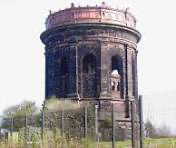
The concept of elevated water storage dates back to ancient civilizations, but modern water towers became prevalent in the 19th and early 20th centuries. During this period, rapidly growing urban areas needed efficient ways to distribute water and maintain pressure. Water towers proved to be a practical solution, leveraging the principles of gravity to ensure a reliable water supply.
Design and Structure
Water towers come in various shapes and sizes, but they all share common structural elements:
- Tank: The elevated tank holds the water. The size and capacity of the tank depend on the needs of the community it serves.
- Support Structure: This can be a simple steel framework, a concrete pedestal, or even a decorative masonry structure. The design often reflects the architectural styles of the period and region.
- Pipes and Valves: These components control the flow of water into and out of the tank, connecting the tower to the municipal water system.
Modern Relevance
Despite advancements in technology and infrastructure, water towers remain relevant. They provide several advantages over purely mechanical systems:
- Energy Efficiency: Water towers rely on gravity, reducing the need for continuous pumping and saving energy.
- Resilience: In the event of power outages or system failures, water towers can continue to supply water based on the stored volume.
- Maintenance: With fewer moving parts compared to mechanical pressure systems, water towers require less maintenance and have longer lifespans.
Understanding the vital role water towers play in our communities can inspire better appreciation and care for these structures. If you are concerned about the quality of your tap water or wish to learn more about your local water system, schedule a free water test with us today. Our comprehensive testing services can help ensure your water is safe and of the highest quality, giving you peace of mind about the water you use daily. Contact us now to take the first step towards better water quality in your home.