The Untapped Potential of Greywater Recycling in Residential Homes
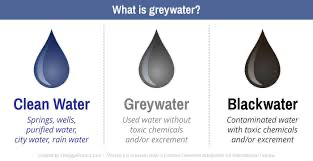
With the growing need for sustainable living and water conservation, greywater recycling has emerged as a viable solution for reducing water waste and promoting environmental responsibility. Greywater, which is wastewater from household sources such as sinks, showers, and washing machines, can be treated and reused for non-potable purposes. This blog post explores the benefits, challenges, and implementation of greywater recycling systems in residential homes.
What is Greywater?
Greywater is the relatively clean wastewater generated from everyday household activities. It excludes water from toilets, which is considered blackwater due to its higher contamination levels. Typical sources of greywater include:
- Bathroom sinks and showers: Water from washing hands and bathing
- Laundry: Water from washing clothes
- Kitchen sinks: Water from rinsing fruits and vegetables (though this can sometimes contain higher levels of organic matter)
Benefits of Greywater Recycling
- Water Conservation: Reusing greywater for irrigation, toilet flushing, and other non-potable uses can significantly reduce the demand for fresh water. This is particularly important in areas facing water shortages or drought conditions.
- Reduced Water Bills: By recycling greywater, households can lower their water consumption and, consequently, their water bills. This is a cost-effective measure for both homeowners and municipal water systems.
- Environmental Impact: Reducing the volume of wastewater entering sewage systems decreases the burden on treatment facilities and lowers the risk of water pollution. Greywater recycling also promotes a more sustainable lifestyle by conserving water resources.
- Enhanced Plant Growth: Greywater can be rich in nutrients, such as phosphates and nitrates, which can benefit plant growth when used for irrigation. It provides an alternative to fresh water and reduces the need for chemical fertilizers.
Challenges of Greywater Recycling
- Initial Costs: Setting up a greywater recycling system can be expensive, requiring investment in plumbing modifications, filtration units, and storage tanks. However, the long-term savings on water bills can offset these initial costs.
- Regulations and Permits: Different regions have varying regulations regarding greywater use. Homeowners must ensure compliance with local codes and obtain necessary permits before installing a system.
- Maintenance: Greywater systems require regular maintenance to prevent clogging, remove contaminants, and ensure efficient operation. Homeowners must be prepared to invest time and effort in system upkeep.
- Health Concerns: While greywater is less contaminated than blackwater, it can still contain pathogens and chemicals. Proper treatment and handling are essential to avoid health risks.
Implementation of Greywater Systems
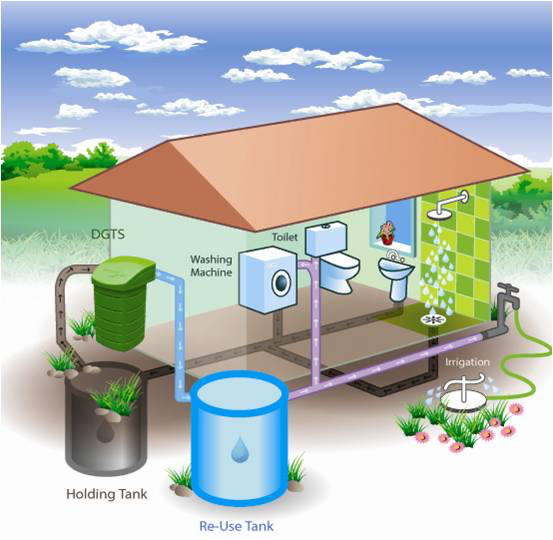
- Basic Greywater Systems: Simple systems involve diverting greywater from a single source, such as a shower or washing machine, to an irrigation area. These systems are relatively easy to install and cost-effective.
- Advanced Greywater Systems: More complex systems collect greywater from multiple sources, filter and treat it, and store it for various non-potable uses. These systems offer greater flexibility and water savings but require a higher initial investment.
- Integration with Existing Infrastructure: Homeowners can integrate greywater systems into their existing plumbing with the help of professional installers. This ensures compliance with local codes and optimal system performance.
If you’re interested in reducing your water footprint and promoting sustainable living, consider exploring greywater recycling for your home. Schedule a free water test and have our experts can help you design and install a system tailored to your needs, ensuring compliance with regulations and maximizing water savings. Contact us today to learn more about how greywater recycling can benefit you and the environment!