Climate Change and Your Water
Climate change is increasingly impacting various aspects of our environment, including the quality and availability of tap water. As global temperatures rise and weather patterns become more erratic, the challenges of maintaining clean and safe drinking water are growing. This blog post will explore how climate change affects tap water, the associated risks, and what can be done to mitigate these issues.
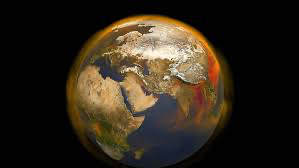
How Climate Change Affects Tap Water
- Increased Contaminants: Higher temperatures and more frequent storms can lead to an increase in contaminants entering water sources. Flooding can wash pollutants from agricultural, industrial, and urban areas into rivers, lakes, and reservoirs, affecting the water supply.
- Water Scarcity: Droughts and reduced snowpack in mountainous regions, which act as natural water storage, can lead to lower water levels in rivers and reservoirs. This scarcity can increase reliance on groundwater, which may contain higher levels of minerals and contaminants.
- Algal Blooms: Warmer temperatures and nutrient runoff can lead to harmful algal blooms in water bodies. These blooms can produce toxins that are harmful to human health and difficult to remove during water treatment processes.
- Infrastructure Stress: Extreme weather events can damage water infrastructure, leading to service disruptions and increased costs for repairs and maintenance. Aging infrastructure is particularly vulnerable to these stresses.
Potential Health Risks

- Pathogens: Increased rainfall and flooding can overwhelm water treatment facilities, leading to the presence of harmful pathogens such as bacteria, viruses, and protozoa in tap water. These pathogens can cause gastrointestinal illnesses and other health issues.
- Chemical Contaminants: Runoff from agricultural areas can introduce pesticides and fertilizers into water sources. Industrial runoff can add heavy metals and other hazardous chemicals. Prolonged exposure to these contaminants can lead to chronic health problems.
- Toxic Algae: Algal blooms produce toxins that can cause liver damage, neurological issues, and other serious health effects. Consuming contaminated water or even skin contact during activities like swimming can pose risks.
What Can Be Done
- Water Purifiers: Installing high-quality water purifiers in homes can help remove contaminants that make it through municipal treatment systems. Look for purifiers that are certified to remove specific contaminants of concern.
- Improved Infrastructure: Investing in modernizing and upgrading water infrastructure can help withstand the impacts of extreme weather events. This includes building more resilient treatment facilities and repairing or replacing aging pipes and systems.
- Sustainable Practices: Reducing the use of pesticides and fertilizers in agriculture, improving wastewater management, and adopting green infrastructure solutions can help minimize the runoff of harmful substances into water sources.
- Public Awareness and Policy: Educating the public about the impacts of climate change on water quality and advocating for policies that address these challenges are crucial. Supporting regulations that limit pollution and protect water sources can lead to long-term improvements.
The effects of climate change on tap water quality are a growing concern that requires immediate attention. Protect your health and the environment by staying informed and taking proactive measures. Schedule a free water test with us today to ensure your tap water is safe to drink. Our comprehensive testing services will identify any contaminants present and provide you with the best solutions for clean, safe water in your home. Contact us now to take the first step towards better water quality and a healthier future.
4o