The Role of Wetlands in Water Purification and Flood Control
Wetlands, often referred to as the “kidneys of the Earth,” play a crucial role in maintaining water quality and managing flood risks. These natural ecosystems, which include marshes, swamps, bogs, and fens, are incredibly valuable for their ability to filter pollutants and provide a buffer against flooding. This blog post explores the importance of wetlands, how they contribute to water purification, and their role in flood control.
What Are Wetlands?
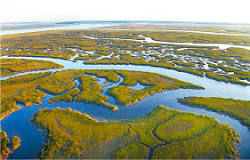
Wetlands are areas where water covers the soil or is present at or near the surface of the soil for varying periods during the year, including during the growing season. The unique combination of water, soil, and vegetation in wetlands supports a wide variety of plants and wildlife, making them some of the most biodiverse ecosystems on the planet.
Wetlands and Water Purification
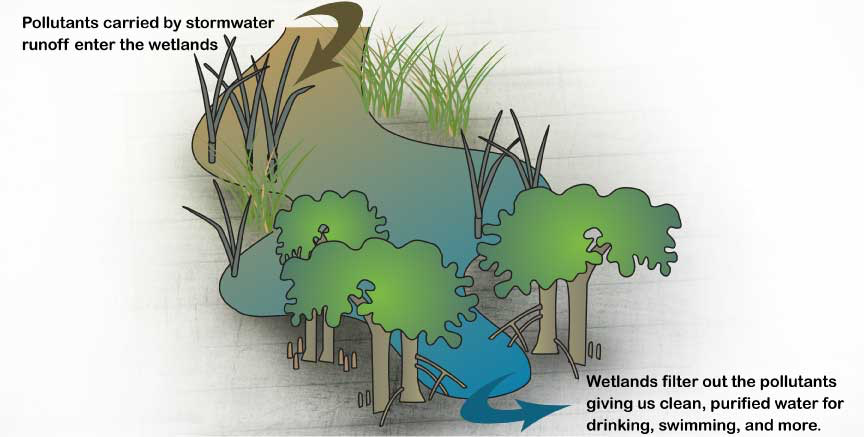
Wetlands act as natural water filters. As water flows through a wetland, it slows down and allows sediment and pollutants to settle out. This process involves several key functions:
- Sediment Trapping: Wetlands can trap and hold sediment from runoff, preventing it from reaching larger bodies of water. This helps maintain clearer and cleaner water downstream.
- Nutrient Removal: Wetlands can absorb and transform nutrients, such as nitrogen and phosphorus, which are often found in agricultural runoff and can cause harmful algal blooms if they enter lakes and rivers. Wetland plants and microorganisms use these nutrients, reducing their concentration in the water.
- Pollutant Breakdown: Wetlands can break down a variety of pollutants, including heavy metals and organic compounds. Microorganisms in the wetland soil play a significant role in this process, breaking down pollutants into less harmful substances.
- Buffer Against Pollution: Wetlands act as a buffer zone, protecting downstream water bodies from pollution and excessive nutrient loads.
Wetlands and Flood Control
Wetlands are also vital for flood control. They can store large amounts of water, reducing the impact of floods and protecting infrastructure and human lives:
- Water Storage: During periods of heavy rainfall or snowmelt, wetlands can absorb and store excess water, releasing it slowly over time. This helps to mitigate the immediate impact of flooding.
- Flow Regulation: Wetlands slow down the flow of water, reducing the velocity of runoff and lowering the risk of erosion and downstream flooding.
- Groundwater Recharge: Wetlands can facilitate the recharge of groundwater aquifers, helping to maintain water supplies during dry periods.
Threats to Wetlands
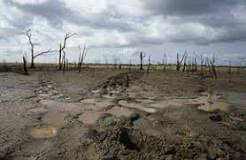
Despite their importance, wetlands face numerous threats, including:
- Urban Development: Expanding cities and infrastructure projects often lead to the draining and filling of wetlands, reducing their size and capacity to function effectively.
- Agricultural Practices: Intensive farming can lead to the destruction of wetlands and the introduction of pollutants and excess nutrients into these ecosystems.
- Climate Change: Changing weather patterns and rising sea levels can alter wetland ecosystems, affecting their ability to provide their essential services.
The preservation and restoration of wetlands are crucial for maintaining water quality and managing flood risks. By protecting these natural ecosystems, we can ensure they continue to provide their valuable services for future generations. If you’re interested in learning more about wetlands and how you can support their conservation, consider reaching out to local environmental organizations or participating in wetland restoration projects. Your efforts can make a significant difference in preserving these vital ecosystems.
For more information on the importance of wetlands, visit Wetlands International and the Environmental Protection Agency (EPA). To learn more about the water coming into your home and what you can do to help ensure your water is safe, schedule a free water test today.
Ensuring the health of our wetlands is essential for maintaining clean water and protecting our communities from floods. Join us in supporting wetland conservation efforts and advocating for policies that protect these vital ecosystems. Together, we can make a difference in preserving our natural resources and ensuring a sustainable future.