
The Reluctance of Georgia to Address Tap Water Issues and the Potential Health Risks
As a resident of Georgia, I have become increasingly concerned about the quality of our tap water. Despite numerous reports and findings indicating the presence of various contaminants, the state seems reluctant to fully acknowledge and address these issues. This blog post delves into the possible reasons for this hesitation, the potential health risks of these pollutants, and what you can do to ensure your water is safe to consume.

Why is Georgia Reluctant to Admit Tap Water Problems?
- Aging Infrastructure: Much of Georgia’s water infrastructure is old and deteriorating. Replacing and upgrading pipes and treatment facilities require substantial financial investment, which is often delayed due to budget constraints and competing priorities.
- Regulatory Challenges: State and federal regulations on water quality can be inadequate or inconsistently enforced. This creates a gap in monitoring and addressing contaminants effectively.
- Economic Pressures: Addressing water quality issues can lead to increased costs for municipalities and water utilities. These costs may be passed on to consumers, which is politically and economically challenging, especially for low-income communities.
- Political Factors: Water quality issues can be politically sensitive. Admitting widespread problems could lead to public backlash and scrutiny of public officials and management practices.
Potential Health Risks of Pollutants in Tap Water
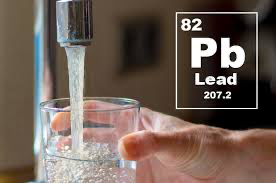
1. Lead: Lead can leach into the water supply from old pipes and fixtures. Lead exposure is particularly harmful to young children, causing developmental delays, learning difficulties, and other serious health issues.
2. Bacteria: Contaminants such as E. coli and Legionella can enter the water through breaks in the system or insufficient treatment. These bacteria can cause severe gastrointestinal and respiratory infections.
3. Chemical Contaminants: Pesticides, industrial chemicals, and pharmaceuticals can infiltrate the water supply. Long-term exposure to these chemicals can lead to various health issues, including cancer, endocrine disruption, and neurological problems.
4. PFAS (Per- and Polyfluoroalkyl Substances): Known as “forever chemicals,” PFAS are resistant to breaking down in the environment and have been linked to various health problems, including cancer and immune system suppression.
What Can Be Done?
1. Get Your Water Tested: Scheduling a water test is crucial for identifying any contaminants in your tap water. This can help you understand the specific risks associated with your water supply and take appropriate action.
2. Install Water Purifiers: Using water purifiers can significantly reduce the presence of harmful contaminants. Ensure that the filters you choose are certified to remove the specific pollutants found in your water.
3. Stay Informed: Keep up to date with local water quality reports and advisories. Understanding the current state of your tap water can help you make informed decisions about your water usage and treatment options.
4. Advocate for Change: Contact your local representatives and push for increased investment in water infrastructure and stricter enforcement of water quality standards. Public pressure can drive significant improvements in water safety and management.
Ensuring the safety of your tap water is not just a personal responsibility but a community effort. If you are concerned about the quality of your water, don’t wait for the state to take action. Schedule a free water test with us to identify any potential contaminants and learn how you can protect your family’s health. Your peace of mind and well-being are worth it. Contact us today to get started on securing safe, clean water for your home.
4o