The Hidden Dangers of Your Morning Shower: Is Your Tap Water Safe?
Every day, millions of people start their mornings with a refreshing shower, but few stop to consider what might be lurking in the water. While drinking contaminated water is a well-known health risk, many overlook the potential dangers of showering in it. This post explores the hidden risks associated with showering in tap water that may contain harmful chemicals and pollutants.
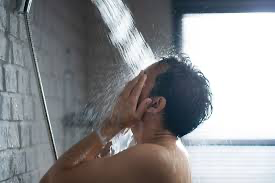
The Chemicals in Your Shower Water
Tap water often contains various chemicals used to disinfect and purify it before it reaches your home. While these treatments are necessary to kill harmful bacteria and pathogens, they can also introduce other health risks:
- Chlorine: Used to disinfect water, chlorine can cause skin irritation and dryness. When heated during a shower, chlorine can vaporize, leading to inhalation of chlorine gas, which may irritate the respiratory system.
- Chloramines: A combination of chlorine and ammonia, chloramines are also used as disinfectants. They can cause eye, nose, and throat irritation, particularly in individuals with respiratory conditions like asthma.
- Heavy Metals: Lead and copper can leach into tap water from old pipes. While the primary concern with these metals is ingestion, they can also be absorbed through the skin or inhaled in water vapor during a shower.
Why Showering Might Be More Harmful Than Drinking
When you shower, your body is exposed to water in multiple ways: through skin contact, inhalation of steam, and, occasionally, through accidental ingestion. This can make showering in contaminated water more hazardous than simply drinking it:

- Inhalation of Vapors: The heat from a shower causes chemicals like chlorine to vaporize. Inhalation of these vapors can lead to respiratory issues, as your lungs are directly exposed to these chemicals.
- Skin Absorption: Your skin is the body’s largest organ, and it can absorb chemicals from the water. Prolonged exposure during showers increases the likelihood of absorbing harmful substances, which can lead to skin conditions like eczema or dermatitis.
- Increased Surface Area: Compared to drinking a glass of water, the large surface area of your skin and lungs during a shower means you might be exposed to a higher concentration of contaminants over time.
What Can Be Done?
1. Install a Whole Home Purifier: One of the simplest ways to reduce exposure to harmful chemicals is to install a whole home purifier. These filters can remove chlorine, chloramines, and other contaminants from the water before it reaches your skin and lungs.
2. Test Your Water: Regularly testing your tap water for contaminants can help you identify specific risks. Based on the results, you can take targeted actions, such as installing a whole-home water purification system.
3. Advocate for Better Water Treatment: Contact local representatives to advocate for better water treatment processes that reduce the need for excessive chemical use. Public awareness and pressure can lead to safer water for everyone.
Showering in contaminated water can pose significant health risks, often greater than those associated with drinking it. By taking steps to filter your shower water and staying informed about the quality of your tap water, you can protect your health and enjoy your daily shower without worry. If you’re concerned about the safety of your water, schedule a water test with us today.