Could YourTap Water Be Causing Your Pipes to Seize Up?
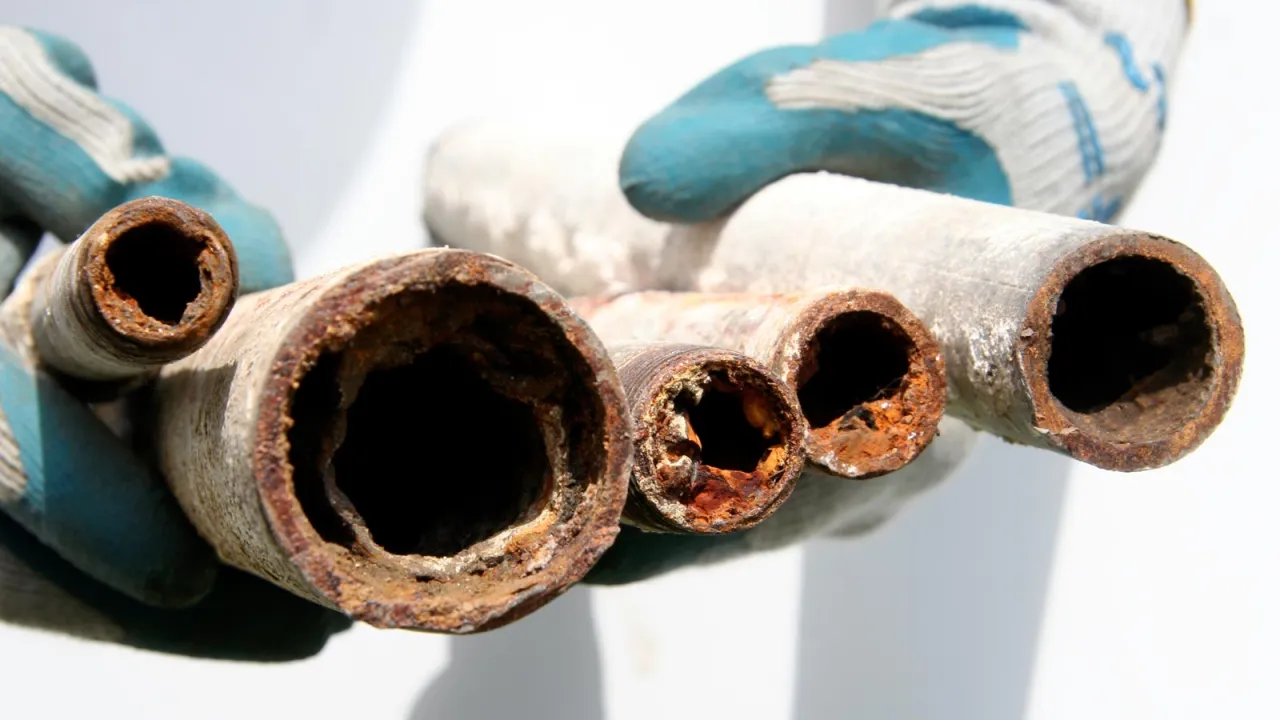
For many homeowners in Georgia, the quality of tap water is often a concern. While people typically worry about contaminants like lead or chlorine, there’s another potential issue that’s less talked about but can be just as costly: the impact of tap water on your home’s plumbing. Could the water in Georgia be contributing to your pipes seizing up? And if so, what can you do to prevent costly repairs? Let’s dive into the issue.
What’s in the Water?
Georgia’s tap water, like that in many other regions, contains various minerals, chemicals, and sediments. While these elements are usually within safe levels for consumption, they can have a significant impact on your plumbing over time.
- Hard Water: Georgia is known to have areas with hard water, which contains high levels of calcium and magnesium. These minerals can accumulate inside your pipes, leading to scale buildup. Over time, this buildup can reduce water flow and even cause pipes to seize up or become completely blocked.
- Sediments: Depending on your location, your tap water might contain sediments such as sand, silt, and rust. These particles can settle in your pipes, contributing to clogs and restricting water flow.
- Corrosive Water: In some areas, the tap water can be slightly acidic or corrosive, particularly if it’s not treated properly. Corrosive water can eat away at metal pipes, leading to leaks, weakened pipe walls, and eventually, pipe seizing.
The Cost of Repair
If your pipes do seize up, it can be a costly problem to fix. The extent of the damage and the location of the seized pipes will determine the repair costs, which can range from a few hundred to several thousand dollars. Here’s why:
- Labor-Intensive Work: Pipe repair often requires cutting into walls, floors, or ceilings to access the damaged pipes. This labor-intensive work adds to the overall cost.
- Replacing Pipes: In severe cases, entire sections of piping may need to be replaced, particularly if the pipes are old or made from outdated materials like galvanized steel. Replacing pipes involves both material costs and extensive labor.
- Secondary Damage: If a seized pipe bursts or leaks, it can cause water damage to your home’s structure, leading to additional repair costs.
Early Indicators of Trouble
Luckily, there are some early warning signs that your pipes might be seizing up:
- Low Water Pressure: If you notice a sudden drop in water pressure, it could indicate that your pipes are starting to clog with scale or sediment.
- Discolored Water: Rusty or discolored water might mean that your pipes are corroding, a precursor to them seizing up.
- Noisy Pipes: If you hear banging or clanging noises when you turn on the water, it could be a sign that your pipes are struggling to cope with the buildup of deposits inside.
- Slow Drains: Slow drainage in sinks or showers could indicate that your pipes are partially blocked and struggling to let water pass through freely.
What Can Be Done?
To prevent your pipes from seizing up and avoid costly repairs, consider these steps:
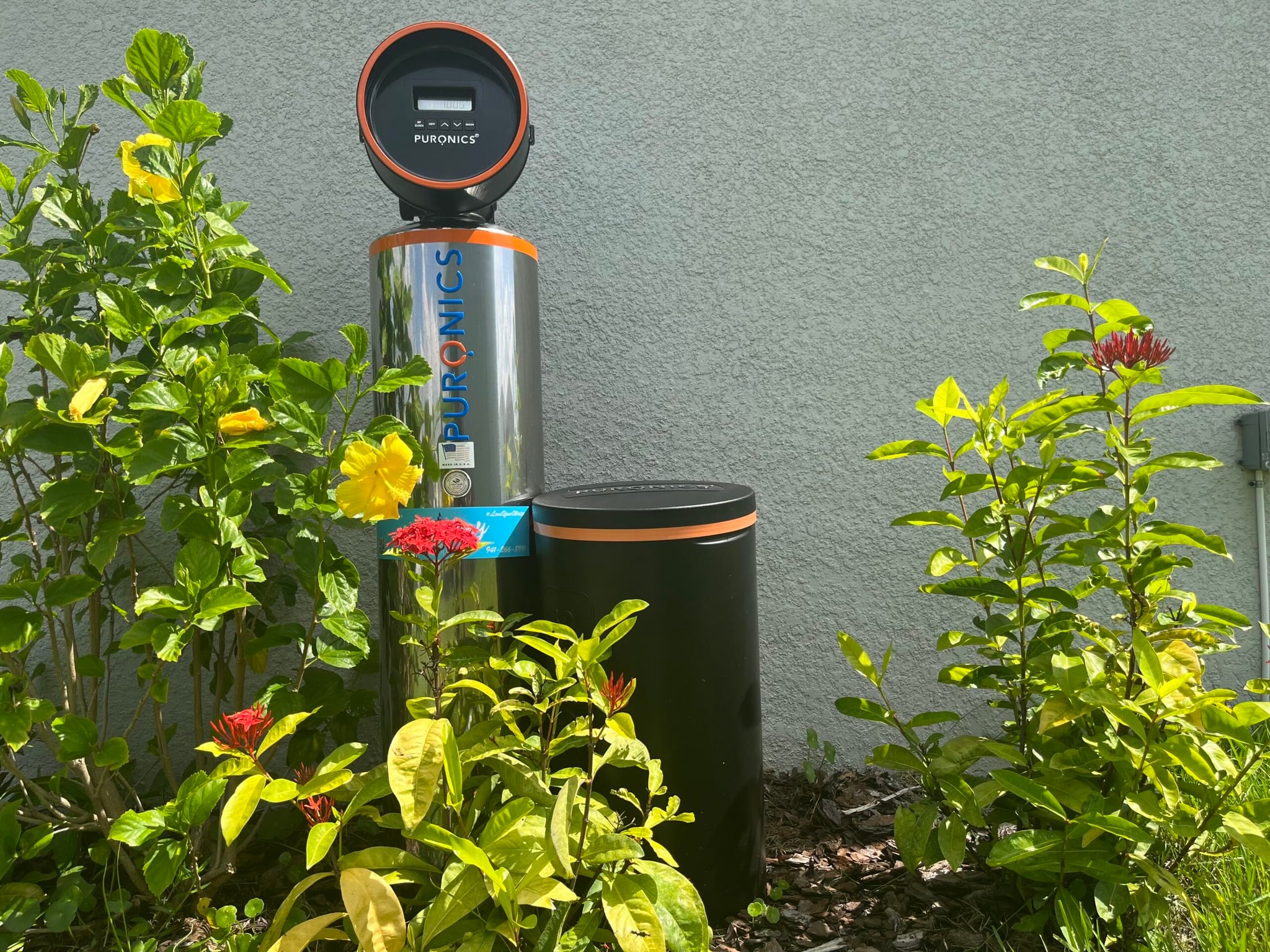
- Water Softening: Installing a water softener can reduce the hardness of your water, preventing scale buildup in your pipes.
- Regular Plumbing Maintenance: Have a professional plumber inspect your pipes regularly to catch and address issues before they become severe.
- Whole-Home Water Purification: A Purification system can remove sediments and other particulates from your water before they enter your pipes, reducing the risk of clogs and corrosion.
- Monitor Water Quality: Regularly testing your water quality can help you stay ahead of potential issues, allowing you to take preventative measures before any significant damage occurs.
The quality of tap water in Georgia can indeed lead to pipes seizing up, especially in areas with hard or sediment-laden water. Early detection and proactive measures can help you avoid the costly repairs that come with seized pipes. If you’re concerned about your water quality, scheduling a professional water test today to ensure your plumbing is protected.