The Alarming Rise of Pharmaceutical Contaminants in Our Tap Water
In recent years, the presence of pharmaceutical contaminants in tap water has become a growing concern for both scientists and the public. Medications such as antibiotics, hormones, and painkillers, originally designed to treat human ailments, are now being detected in water sources around the globe. This blog post explores how these contaminants end up in our water supply, the potential risks they pose to human health, and what steps can be taken to mitigate these risks.
How Do Pharmaceuticals Enter Our Water Supply?
Pharmaceuticals can find their way into water supplies through various channels:
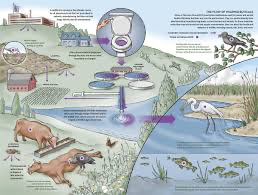
- Improper Disposal: One of the primary ways pharmaceuticals enter the water system is through improper disposal. People often flush unused or expired medications down the toilet or sink, not realizing that wastewater treatment plants are not designed to completely remove these compounds. As a result, traces of these drugs can end up in rivers, lakes, and eventually, in our tap water.
- Human Excretion: After consumption, our bodies metabolize medications, but not all of the drug is fully absorbed. The unmetabolized portion is excreted in urine and feces, which then enters the sewage system. Again, wastewater treatment plants are unable to fully filter out these substances.
- Agricultural Runoff: Pharmaceuticals used in veterinary medicine, especially in large-scale farming operations, can enter the water system through agricultural runoff. This runoff can carry residues of drugs like antibiotics and growth hormones into nearby water bodies.
The Risks of Pharmaceutical Contaminants in Tap Water
While the concentrations of pharmaceuticals in tap water are typically low, there is growing concern about the long-term exposure to these substances. Some of the potential risks include:
- Hormonal Disruption: Certain pharmaceuticals, particularly those containing hormones like birth control pills, can disrupt endocrine systems in humans and aquatic life. This disruption can lead to reproductive issues, developmental problems, and even cancer.
- Antibiotic Resistance: The presence of antibiotics in tap water can contribute to the development of antibiotic-resistant bacteria, making it harder to treat infections. This is a significant public health concern, as it can reduce the effectiveness of antibiotics over time.
- Cumulative Effects: While each individual pharmaceutical may be present in small amounts, the cumulative effect of exposure to multiple drugs over time is still largely unknown. Researchers are concerned that chronic exposure, even at low levels, could have unforeseen health impacts.
What Can Be Done?
Given the potential risks, it’s crucial to take steps to reduce the presence of pharmaceuticals in our water supply:
- Proper Disposal of Medications: Avoid flushing medications down the toilet or sink. Instead, utilize drug take-back programs or drop-off sites provided by pharmacies and local governments.
- Water Purification: Installing advanced water purification systems at home can help remove pharmaceutical contaminants. Systems like reverse osmosis and activated carbon filters are effective at filtering out these substances.
- Regulatory Measures: Governments and environmental agencies need to establish stricter regulations for the disposal of pharmaceuticals and improve the effectiveness of wastewater treatment plants in removing these contaminants.
- Public Awareness: Increasing public awareness about the issue is critical. Educating people on the proper disposal of medications and the risks associated with pharmaceutical contaminants can lead to more responsible behavior and reduced environmental impact.
The presence of pharmaceuticals in our tap water is a concerning issue that requires immediate attention. Get a free water test today to see what may be in your water. By taking proactive steps to reduce these contaminants, we can help protect our health and the environment. Consider installing a water purification system and always dispose of medications properly to contribute to a cleaner, safer water supply.