Understanding the Impact of Old Pipes on Tap Water Quality
Have you ever noticed your tap water tasting odd or seeing a slight discoloration? This could be a sign that the pipes in your home are deteriorating. In Georgia, like many other states, aging infrastructure is a growing concern, particularly when it comes to water pipes. Over time, old pipes can corrode, leach harmful substances into the water, and lead to costly repairs. But how do you know if your pipes are at risk, and what can you do to prevent problems before they become serious?
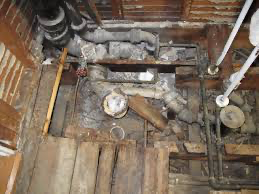
The Connection Between Pipes and Water Quality
Older pipes, especially those made of materials like lead or galvanized steel, can break down over time. This can cause several issues, including:
- Corrosion: As pipes corrode, they can release metals like lead and copper into the water supply. This not only affects the taste and appearance of the water but can also pose serious health risks.
- Biofilm Formation: Inside old pipes, a biofilm (a layer of bacteria and other microorganisms) can develop. This can contaminate your water, leading to unpleasant odors and tastes, and potentially causing illness.
- Water Flow Issues: As pipes deteriorate, they can become clogged with rust and mineral deposits, reducing water flow. This can lead to uneven water pressure, making daily tasks like showering or washing dishes frustrating.
Signs Your Pipes May Be Failing
There are a few warning signs that your pipes may be on the verge of failure:
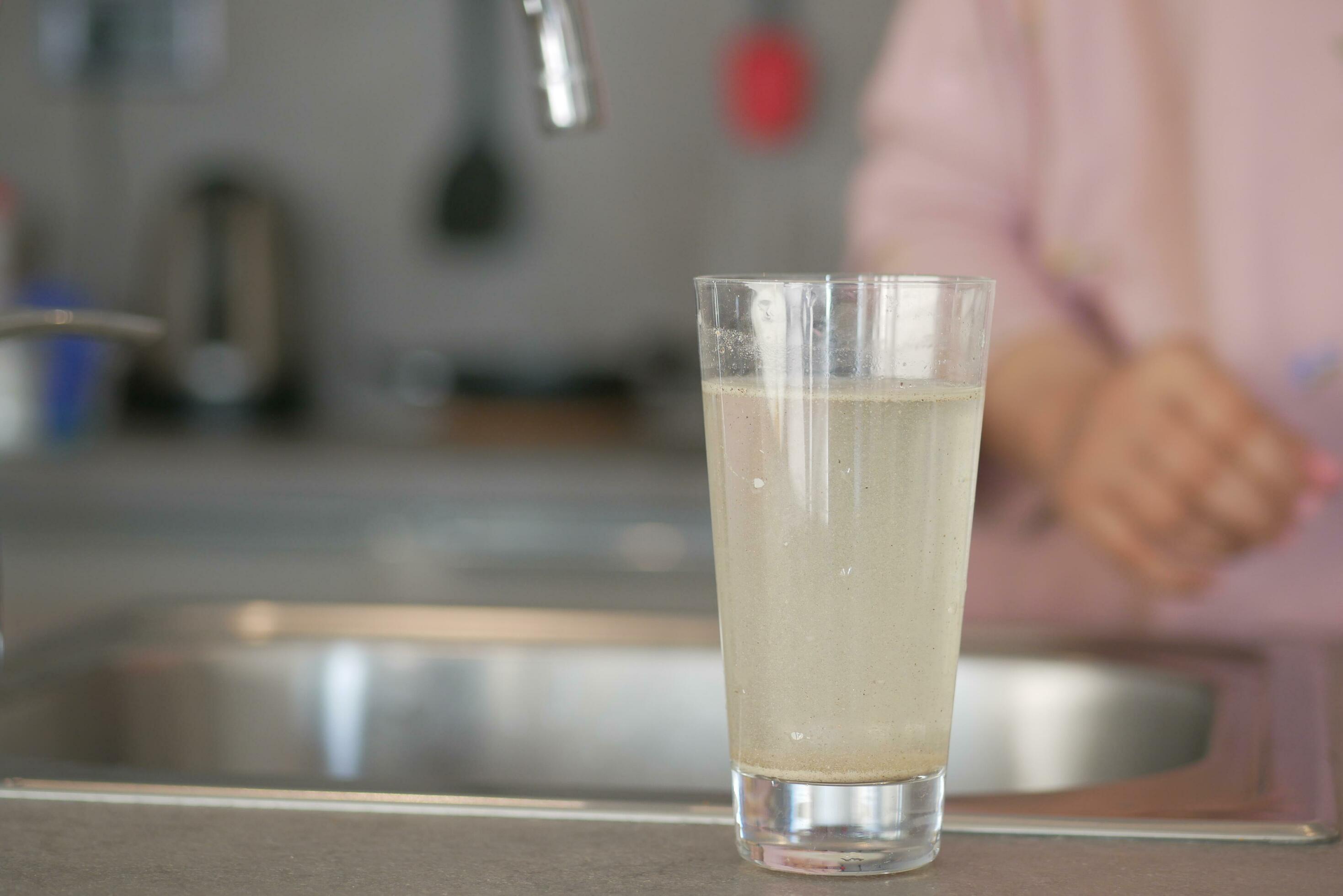
- Discolored Water: If you notice brown or yellow water coming from your taps, it’s likely that rust or other sediments are making their way into your water supply. This is a clear sign that your pipes are deteriorating.
- Metallic Taste: A metallic taste in your water often indicates the presence of corroded metals, such as lead or copper, from aging pipes.
- Low Water Pressure: If the water pressure in your home suddenly drops, this could be a sign that your pipes are clogged with rust or debris, or even that a pipe has partially collapsed.
- Frequent Leaks: Leaking pipes are often a sign that the pipe walls are thinning and becoming brittle, which could lead to a more significant failure if not addressed.
The Cost of Pipe Replacement
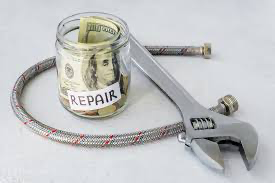
Replacing pipes in your home can be a costly endeavor, but it’s often necessary to ensure the safety and quality of your tap water. The cost of replacing pipes varies depending on the materials used and the extent of the work needed. On average, homeowners can expect to pay between $5,000 and $15,000 for a complete pipe replacement, though this can vary widely depending on the size of the home and the complexity of the plumbing system.
While this is a significant investment, failing to address deteriorating pipes can lead to even higher costs down the line, including water damage, mold growth, and health risks from contaminated water.
What Can Be Done?
If you suspect your pipes are in poor condition, it’s essential to act quickly. Start by scheduling a professional inspection to assess the state of your plumbing. If your pipes are old or showing signs of wear, consider investing in replacements, particularly if your home has lead pipes, which can pose severe health risks.
In the meantime, installing a water purifier can help reduce the risk of contaminants in your water. Water purifiers are designed to remove harmful substances, ensuring that the water you drink and use daily is clean and safe.
Don’t wait until it’s too late. If you’re concerned about the quality of your tap water or the condition of your pipes, schedule a free water test today. Taking proactive steps now can save you from costly repairs and potential health issues down the road.