How Bad Water Can Lead to Acne
Dealing with acne can be frustrating, especially when it seems like no skincare routine is working. One factor that many people overlook is the quality of their water. Tap water is often treated with chlorine, chloramines, and sometimes even heavy metals that can have a significant impact on your skin’s health. Let’s dive into how bad water can lead to acne and how switching to purified water can make a big difference. But before going on, if you think you may have bad water, or that your water may be causing irritation to your skin, schedule a free water test, by clicking here, and get the answer to the question, “what really is in my water?”
How Bad Water Can Lead to Acne
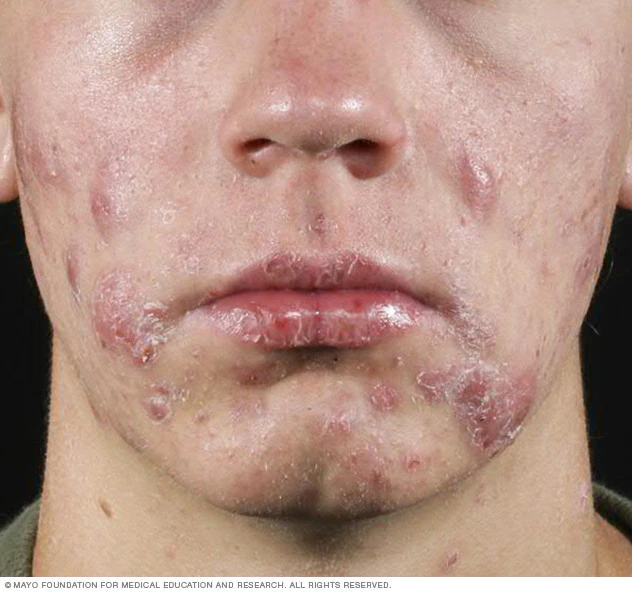
- Chlorine and Chloramines: Tap water is typically treated with chlorine or chloramines to kill bacteria and other pathogens. While this is good for disinfecting water, these chemicals can strip your skin of its natural oils, leaving it dry and irritated. When your skin gets too dry, it compensates by producing more oil, which can clog pores and lead to acne.
- Hard Water: Hard water, which contains high levels of calcium and magnesium, doesn’t rinse off soap and other products effectively. This can lead to a residue build-up on the skin, causing clogged pores and acne breakouts. Hard water can also make your skin more sensitive, exacerbating existing skin conditions.
- Heavy Metals and Toxins: Water that contains heavy metals such as lead, mercury, or copper can irritate the skin and lead to inflammatory conditions, including acne. These metals can disrupt the natural balance of your skin, causing irritation and inflammation that manifest as breakouts.
- Bacteria: In some cases, water can carry bacteria and other microorganisms that can lead to skin infections. When these bacteria come into contact with acne-prone skin, they can exacerbate the problem.
How Clean Water Helps Prevent Acne
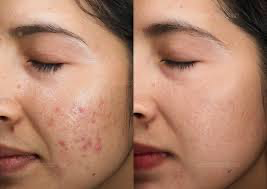
Switching to purified water can help prevent acne by addressing the root causes associated with bad water:
- Reduced Chlorine and Chemical Exposure: Purified water systems remove chlorine, chloramines, and other chemicals that can strip your skin of its natural oils. This helps maintain a balanced oil production, reducing the likelihood of clogged pores and acne.
- Elimination of Heavy Metals and Toxins: A good water purification system can effectively remove heavy metals and toxins from your water supply, reducing the chance of skin irritation and breakouts caused by these contaminants.
- Softer Water for Better Rinsing: Softened, purified water allows for better rinsing of skincare products and soaps, ensuring that no residue is left on your skin. This minimizes the chances of clogged pores and reduces skin sensitivity, both of which are linked to acne.
- Fewer Bacteria: With purified water, the risk of bacteria and pathogens that could worsen acne is significantly reduced. This is especially important for those who have sensitive skin or are prone to breakouts.
A Simple Step to Healthier Skin
Switching to purified water could be one of the simplest yet most effective changes you can make to help your skin. By eliminating harmful chemicals, heavy metals, and bacteria, you’re giving your skin a fighting chance to stay clear and healthy.
Want to see how your water quality is affecting your skin? Schedule a free water test with us today and take the first step toward healthier, acne-free skin!