What is Dibromochloromethane?
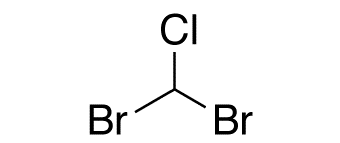
Dibromochloromethane is a chemical compound that forms during the chlorination of water. When chlorine, used by many water utilities to kill bacteria and viruses, reacts with organic matter in water sources like rivers or lakes, dibromochloromethane and other trihalomethanes (THMs) are created as byproducts. These chemicals can accumulate over time and may be present in your tap water without you even knowing.
Health Risks of Dibromochloromethane Exposure

Dibromochloromethane exposure poses several health risks, including damage to the liver, kidneys, and central nervous system. Studies have linked high levels of THMs like dibromochloromethane to an increased risk of bladder and colon cancer, as well as adverse effects on the developing fetus when pregnant women are exposed.
Bathing in water containing dibromochloromethane can also be harmful, as the chemical can be absorbed through the skin and inhaled as vapor. However, drinking water contaminated with dibromochloromethane poses a more direct risk, as the chemical enters the bloodstream and directly impacts vital organs.
Why Is Dibromochloromethane in Our Water?
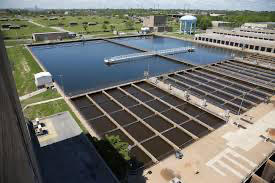
The presence of dibromochloromethane in drinking water is largely due to outdated water treatment practices. Although chlorine is effective at killing pathogens, it also creates harmful byproducts. Many municipal water systems continue using chlorine due to its low cost and historical use, despite the known risks of THM formation.
The Limitations of Current Water Standards
While the Environmental Protection Agency (EPA) does set limits on the acceptable levels of THMs in drinking water, many argue that these limits are outdated and may not adequately protect public health, especially for vulnerable populations like children, pregnant women, and the elderly. Furthermore, certain areas may struggle to keep THM levels consistently low, especially during warmer months when organic matter levels in water sources tend to increase.
How Can You Protect Yourself?
Investing in a high-quality water purifier, like the ones here, is the most effective way to protect yourself from dibromochloromethane and other contaminants. Water purifiers, particularly those with activated carbon filters, are designed to remove THMs and many other pollutants that might be present in your tap water. Unlike simple water filters, which may not be capable of removing all harmful chemicals, advanced purifiers provide a higher level of filtration.
Are Purifiers Really the Best Solution?
Absolutely! While some filters can remove certain contaminants, a complete water purifier system is designed to tackle a broader range of water quality issues, including chemicals like dibromochloromethane. Purifiers combine several filtration technologies—like activated carbon, reverse osmosis, and UV treatment—to ensure your water is as pure and safe as possible.
The Importance of Regular Water Testing
Even if you already use a water purifier, regular testing is crucial to ensure it is functioning properly and effectively removing contaminants like dibromochloromethane. Regular water tests can alert you to any changes in water quality that might necessitate filter replacements or adjustments in your water treatment strategy.
Don’t take chances with your health. Schedule a free water test with us today to ensure your tap water is clean, safe, and free from harmful chemicals like dibromochloromethane!