Is Dibromoacetic Acid Hiding in Your Tap Water? Get Your Free Water Test Today!
Concerned about what’s lurking in your tap water? You might want to be. Dangerous contaminants like dibromoacetic acid could be hiding in plain sight, posing serious risks to your health. Don’t wait until it’s too late—schedule a free water test with us today to ensure your tap water is safe!
What is Dibromoacetic Acid, and How Does It Get Into Tap Water?
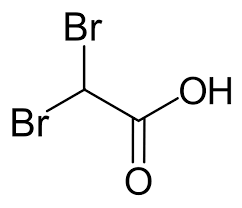
Dibromoacetic acid is a type of disinfection byproduct (DBP) that forms when chlorine or other disinfectants used to treat drinking water react with natural organic matter, such as decaying leaves, plants, and microbial life, present in the water. When chlorine is added to kill bacteria and pathogens, it doesn’t just neutralize those harmful organisms—it also triggers chemical reactions that lead to the formation of harmful byproducts like dibromoacetic acid.
This compound is commonly found in water systems that use chlorine as a primary disinfectant, especially in areas with high levels of bromide in the source water. Unfortunately, once dibromoacetic acid forms, it becomes part of the water flowing into our homes.
The Potential Health Risks of Dibromoacetic Acid
Dibromoacetic acid is more than just a chemical name—it represents a very real health hazard. Here are some of the potential health risks associated with exposure to this contaminant:
- Cancer Risk: Long-term exposure to dibromoacetic acid has been associated with an increased risk of cancer, particularly bladder cancer. The Environmental Protection Agency (EPA) classifies it as a potential human carcinogen.
- Reproductive and Developmental Issues: Studies have shown that exposure to dibromoacetic acid may negatively impact reproductive health and cause developmental issues in unborn children.
- Organ Damage: Prolonged exposure may also lead to liver and kidney damage due to the toxic effects of the chemical on these vital organs.
- Immune System Impact: Some research suggests that dibromoacetic acid can affect the immune system, potentially making it less effective at fighting off infections.
Drinking vs. Bathing: Which is Worse?
When it comes to dibromoacetic acid exposure, both drinking and bathing in contaminated water carry risks, but drinking poses a more direct threat. Ingesting water contaminated with dibromoacetic acid allows the chemical to enter the digestive system, where it can be absorbed into the bloodstream and circulate throughout the body. This process can affect multiple organs and increase the risk of various cancers and systemic health problems.
However, bathing or showering in contaminated water is not entirely risk-free. Skin contact with dibromoacetic acid may cause irritation or allergic reactions, especially in those with sensitive skin. Moreover, taking hot showers or baths can create water vapor that, when inhaled, allows the contaminant to enter the lungs and potentially cause respiratory issues. While the risk from inhalation and skin contact is generally lower than from ingestion, it is still a concern, particularly with repeated exposure over time.
How Can You Remove Dibromoacetic Acid from Your Water?
The most effective way to ensure your tap water is free from dibromoacetic acid is by installing a high-quality water purifier. Standard filters are not effective at removing dibromoacetic acid or other disinfection byproducts. However, a combination of a reverse osmosis (RO) system and an activated carbon filter can effectively remove this contaminant from your water.
These systems work together to trap the harmful compounds, leaving you with pure, safe water for drinking, cooking, and bathing. With a reliable water purifier, you can significantly reduce your exposure to dibromoacetic acid and other dangerous contaminants, providing a safer environment for your entire household.
Take Action: Ensure Your Tap Water is Safe!
Don’t leave your health to chance. Get ahead of the risk by scheduling a free water test with us today. Our experts will test your water for dibromoacetic acid and other contaminants and provide you with a detailed report on its safety. We’ll help you find the best purification solutions to ensure your tap water is as clean and safe as possible.
Don’t wait—protect your health and the health of your loved ones. Contact us now for your free water test!