Is Dibromochloromethane Lurking in Your Tap Water? Get a Free Water Test to Ensure Your Safety Today!
Water is essential for our daily lives, but the quality of the water we consume and bathe in matters more than we often realize. Dibromochloromethane, a potentially harmful chemical, could be flowing into your home through your tap water. This byproduct of water treatment could have serious implications for your health. The best way to ensure your tap water is safe? Schedule a free water test with us today!
What is Dibromochloromethane, and How Does it End Up in Our Tap Water?
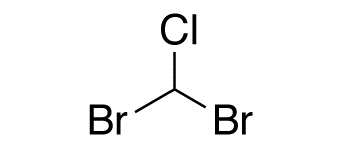
Dibromochloromethane is a type of trihalomethane (THM), a chemical that forms when disinfectants like chlorine react with natural organic materials in the water, such as decaying leaves and vegetation. Chlorine is commonly used in water treatment plants to kill harmful bacteria and pathogens, ensuring that the water is free from microbial contamination. However, this disinfection process can have unintended consequences.
When chlorine interacts with bromide—a naturally occurring substance in water sources like rivers and lakes—dibromochloromethane is produced as a byproduct. Once formed, it makes its way into the municipal water supply, and from there, directly into your home.
The Health Risks of Dibromochloromethane
The presence of dibromochloromethane in drinking water poses a serious risk to your health, especially with long-term exposure. Here’s how it can impact your body:
- Cancer Risk: Dibromochloromethane is classified by the Environmental Protection Agency (EPA) as a probable human carcinogen. Prolonged exposure to this chemical, even at low levels, has been linked to an increased risk of cancer, particularly of the liver, kidneys, and bladder.
- Liver and Kidney Damage: The chemical can be harmful to your liver and kidneys, as these organs work hard to filter out toxins from your body. Over time, exposure to dibromochloromethane can impair their function.
- Reproductive Health Concerns: Some studies suggest that dibromochloromethane can interfere with reproductive health, causing problems such as reduced fertility and developmental issues in children.
- Immune System Suppression: This chemical has been shown to affect the immune system, potentially reducing its ability to defend against infections and illnesses.
Drinking vs. Bathing: Which is Worse?
When it comes to exposure to dibromochloromethane, both drinking and bathing in contaminated water carry risks, but drinking water is the more direct route for the chemical to enter your system.
- Drinking Water: Ingesting water containing dibromochloromethane allows the chemical to pass through your digestive system and into your bloodstream. This can increase the risk of internal organ damage, particularly to the liver, kidneys, and bladder, where the chemical is filtered out. Prolonged ingestion of this chemical is most closely associated with the development of cancer and other long-term health risks.
- Bathing or Showering: While drinking is a more direct route for exposure, bathing in contaminated water still poses a significant threat. Hot showers can cause volatile chemicals like dibromochloromethane to become airborne, allowing you to inhale the vapors. Additionally, the skin can absorb chemicals, especially when exposed to water over time. Though the risks are lower than with ingestion, long-term exposure to contaminated water through skin contact or inhalation should not be overlooked.
Purifiers: The Best Solution to Remove Dibromochloromethane from Water
The most effective way to protect yourself and your family from dibromochloromethane is by using a high-quality water purifier, like the ones found here. While municipal treatment plants do their best to remove contaminants, they often leave behind chemical byproducts like dibromochloromethane. Standard water filters may not be sufficient to remove these chemicals from your water, but advanced filtration systems, such as reverse osmosis and activated carbon filters, are proven to effectively reduce or eliminate dibromochloromethane and other harmful substances.
- Reverse Osmosis: This method forces water through a semipermeable membrane, removing contaminants, including dibromochloromethane, from the water.
- Activated Carbon Filters: These filters are designed to trap organic contaminants, including THMs like dibromochloromethane, ensuring that your water is free from harmful chemicals.
By installing a water purifier, you can drastically reduce your exposure to this harmful chemical and improve the overall safety and quality of your tap water. Not only will this safeguard your health, but it will also enhance the taste and cleanliness of the water you and your family consume every day.
Take Action: Ensure Your Tap Water is Safe Today!
Don’t wait until it’s too late. Take proactive steps to protect yourself and your loved ones from the harmful effects of dibromochloromethane and other contaminants that may be hiding in your tap water. Schedule a free water test with us today! Our experts will analyze your water and recommend the best purification system to ensure your home’s water supply is safe for drinking, cooking, and bathing.
Take control of your water quality—get your free water test now!