Is Haloacetic Acid Lurking in Your Tap Water? Get a Free Water Test Today to Ensure Your Safety!
Water quality is essential for your health, but how often do you consider what’s really in your tap water? One of the lesser-known but potentially harmful contaminants that could be present in your water is haloacetic acid (HAA). This chemical compound can have serious consequences for your health. The good news is, you can take action to ensure your water is safe. Schedule a free water test with us today and let our experts help you identify any potential hazards in your drinking water.
What is Haloacetic Acid and How Does It End Up in Tap Water?
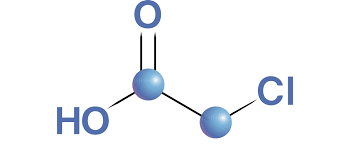
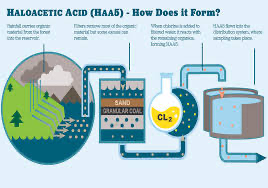
Haloacetic acids (HAAs) are a group of chemical compounds that form when disinfectants used in water treatment, such as chlorine, react with natural organic matter like plant material or even decaying vegetation in water sources. This reaction occurs during the chlorination process, where disinfectants are added to eliminate harmful bacteria and viruses from the water supply. However, this process can result in the formation of byproducts, including HAAs, which can pose significant health risks.
HAAs are typically found in trace amounts in treated water and are regulated by the Environmental Protection Agency (EPA) under the Safe Drinking Water Act. While municipalities do their best to control HAA levels, they can still be present in your tap water, and long-term exposure can lead to negative health effects.
Health Risks of Haloacetic Acid
The presence of HAAs in your tap water is not something to take lightly. Here are some of the health risks associated with prolonged exposure:
- Cancer Risk: HAAs are classified as potentially carcinogenic to humans. Long-term exposure to these compounds has been linked to an increased risk of bladder, colon, and rectal cancers. The risk is higher when you are consistently drinking or cooking with water that contains elevated levels of HAAs.
- Reproductive and Developmental Issues: Studies have shown that exposure to high levels of HAAs can cause reproductive and developmental problems. Pregnant women and developing fetuses are particularly vulnerable to these risks.
- Liver and Kidney Damage: HAAs can harm your liver and kidneys over time, as these organs work hard to filter toxins from your body. Continuous exposure can compromise their ability to function properly, leading to long-term health problems.
- Skin and Eye Irritation: In addition to the risks of ingestion, haloacetic acids can cause skin and eye irritation. If you’re bathing or showering in water containing HAAs, it could potentially lead to dryness, rashes, or other irritations. While the risks from bathing are lower than drinking contaminated water, long-term exposure through the skin should not be ignored.
Drinking vs. Bathing: Which is Worse?
When it comes to haloacetic acids, drinking water poses the greater risk to your health, as it provides a direct route for these chemicals to enter your body. When you drink water contaminated with HAAs, the compounds are absorbed into your bloodstream, where they can affect various organs, including your liver, kidneys, and bladder.
However, while drinking contaminated water is more dangerous, bathing in water that contains HAAs is also concerning. Your skin can absorb small amounts of these chemicals over time, and hot showers can release HAAs into the air, allowing you to inhale them. Although the risk is lower when bathing, it’s still important to minimize any exposure to these harmful chemicals.
Purifiers: The Best Solution to Remove Haloacetic Acid from Water
The most effective way to protect yourself and your family from haloacetic acids is by installing a high-quality water purification system in your home, like the ones here. While municipal treatment plants work to keep HAA levels below the legal limit, purifiers are the best-known solution to remove any remaining contaminants.
- Reverse Osmosis Systems: These systems are highly effective at filtering out a wide range of contaminants, including HAAs. By forcing water through a semipermeable membrane, reverse osmosis removes harmful chemicals and ensures you’re left with clean, safe water.
- Activated Carbon Filters: These filters are specifically designed to trap organic compounds, including haloacetic acids. They are an excellent choice for removing HAAs and improving the overall quality of your tap water.
By investing in a water purifier, you can drastically reduce or even eliminate the presence of haloacetic acids in your home’s water supply. Not only will this provide peace of mind, but it will also improve the taste, safety, and cleanliness of your water, ensuring your family stays healthy and hydrated.
Take Action Now: Ensure Your Tap Water is Safe
Don’t leave your health to chance. Protect yourself and your family from haloacetic acids and other harmful contaminants by getting your water tested today. Our free water test will help identify any hazards in your water supply and provide you with the information you need to make the right choice for your home.
Schedule your free water test with us today and take the first step towards safer, cleaner water for you and your family!
Get your free water test now to ensure your tap water is safe!