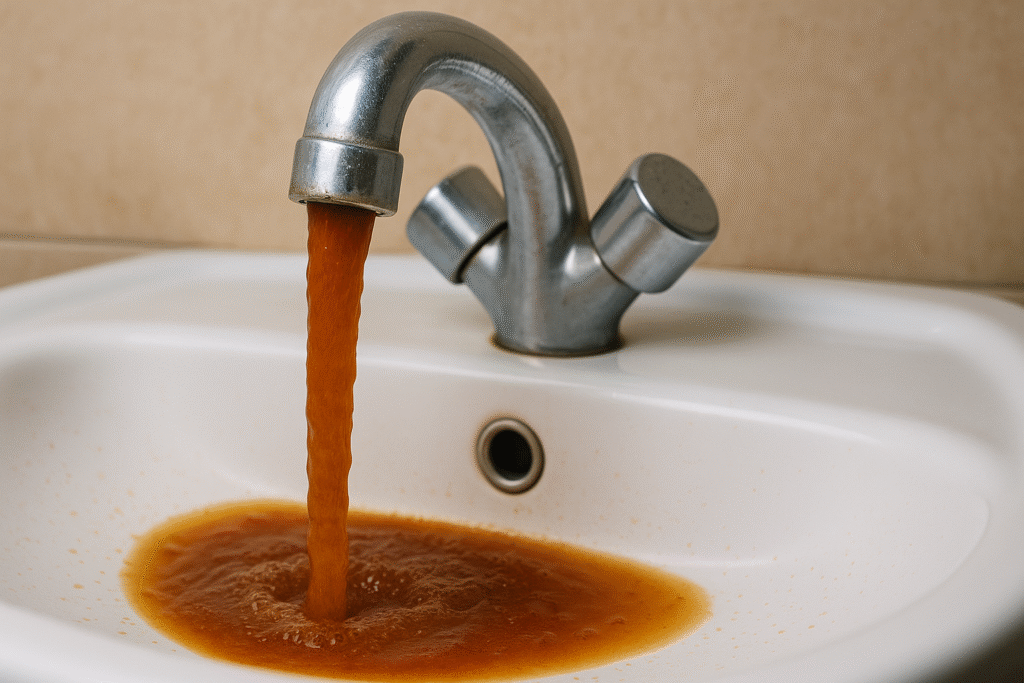
Atlanta’s water pipes are older, more worn, and more unpredictable than most homeowners realise. For years, Atlanta residents have relied on municipal water systems without giving their water pipes much thought. After all, if the water is treated before it reaches your home, what’s the problem – right?
Not exactly.
While Atlanta’s Water Department works hard to meet federal regulations, there’s one major issue most homeowners never consider:
Your water can be perfectly treated at the plant… and still pick up dangerous contaminants on the journey to your tap.
In fact, what happens between the treatment facility and your faucet matters just as much – sometimes even more – than what happens inside the plant.
And in Atlanta, where infrastructure is aging and soil conditions speed up pipe corrosion, what enters your home may not be what you think.
Today, we’re breaking it all down – what’s inside Atlanta’s water pipes, how it affects your health and home, and the single best way to protect your family.
Atlanta’s Water Pipes: A Hidden Problem No One Talks About
Water sources vary across Metro Atlanta, but the pipes that carry that water share something in common:
They’re old. Often very old.
Many underground pipes in the city and surrounding counties were installed 40-80+ years ago. Some areas even rely on cast-iron pipes from the 1920s.
And as pipes age, problems multiply:
- Corrosion builds up
- Heavy metals leach into the water
- Sediment accumulates
- Pressure fluctuations shake loose debris
- Biofilm (bacterial slime) grows inside the lines
Atlanta is no exception. In fact, due to the city’s rapid growth and hot, humid climate, these issues can be more intense than in many other U.S. cities.
What Happens to Water Between the Plant and Your Home?
Most Atlanta residents assume their water is clean because it’s treated. And yes – treatment plants do reduce bacteria, sediment, and certain contaminants.
But treatment doesn’t fix the miles of underground pipe the water must travel through after leaving the facility.
Here’s what water can pick up after it’s “clean”:
1. Heavy Metals from Aging Pipes
The biggest concern? Lead and copper.
Even though Atlanta banned lead pipes decades ago, many older neighborhoods still contain:
- Lead goosenecks
- Lead service lines
- Lead solder
- Brass fixtures that leach lead
Corroding copper pipes inside old homes can also add copper to the water, which causes:
- Metallic taste
- Green/blue staining
- Dry skin and scalp
- Gastrointestinal irritation
Lead, however, is far more dangerous. Even ultra-small amounts can impact:
- Neurological development in children
- Blood pressure
- Kidney function
- Hormone balance
Minor corrosion = major risk.
2. Sediment and Rust from Iron Pipes
Iron pipes naturally corrode over time, flaking rust particles into the water supply.
If you’ve ever noticed:
- Brown or orange water
- Streaks in tubs or sinks
- Gritty residue at the bottom of a glass
- Metallic taste
-this is why.
Sediment doesn’t just look bad. It:
- Damages appliances
- Clogs fixtures
- Scratches glassware
- Breaks down heaters and boilers
- Reduces water pressure
3. Biofilm – The Bacteria You Can’t See
Biofilm is a slimy layer of bacteria that forms inside pipes. Even if the water plant uses chlorine, the disinfectant starts losing power the farther it travels.
When chlorine dissipates, biofilm can flourish.
This can contribute to:
- Musty or “earthy” smell
- Skin irritation
- Hair dryness
- Respiratory sensitivity
- Cloudy water
- Bad-tasting coffee or tea
Biofilm is normal in nearly every public water system – but the thickness of it depends on age and maintenance of pipes.
And Atlanta’s older pipelines mean biofilm buildup is often more severe.
4. Disinfectant By-Products (DBPs)
Chlorine is necessary to keep water safe during transport, but when chlorine reacts with organic matter inside pipes, it forms compounds called trihalomethanes (THMs) and haloacetic acids (HAAs).
Long-term exposure has been linked to:
- Skin irritation
- Bladder issues
- Reproductive concerns
- Potential cancer risk at high concentrations
While the city stays within legal limits, many homeowners prefer not to bathe or drink water containing by-products at all.
5. Soil Contamination Leaching into Cracked Pipes
Georgia’s red clay is both a blessing and a curse – it drains poorly, and shifting during seasonal moisture changes puts stress on underground pipes.
Cracks allow:
- Dirt
- Bacteria
- Fertilizers
- Pesticides
- Organic debris
…to enter the water supply before it reaches your home.
This is especially common during heavy rainfall or flooding.
How Do I Know If My Home Is Affected?
The truth: Most Atlanta homes are affected in some way.
But each neighborhood and home has different risks based on:
- Age of pipes
- Type of piping used
- Distance from the treatment plant
- Soil movement
- Local construction activity
- Pressure changes
- Plumbing inside the home
Here are signs your home could have contaminated water:
Warning signs from your faucet:
- Brown, yellow, or cloudy water
- Musty or chemical smell
- Bad taste (metallic, chlorine, earthy)
- White scale buildup on fixtures
- Low water pressure
- Black specks or floating particles
Warning signs in your body:
- Dry skin after showering
- Hair loss or brittleness
- Rashes
- Eye irritation
- Stomach discomfort
Warning signs in your home:
- Stained sinks or tubs
- Appliance breakdowns
- Clogged taps
- Spots on dishes
- Soap that won’t lather
- Bubble baths with no bubbles
If any of these sound familiar, what’s coming out of your faucet may not be as clean as you think.
The Problem Isn’t Just the Pipes – It’s the Journey
To put it simply:
Atlanta’s water may start clean… but the distribution system is old enough to contaminate it again before it reaches you.
The truth is, no city can fully control what happens inside miles of buried, aging pipes.
Which is why more Georgia homeowners are taking water purification into their own hands.
So What’s the Solution? A Whole – Home Water Filtration System
Think of a whole-home system as a second treatment plant – but just for your house.
It eliminates contaminants picked up after municipal treatment, including:
- Chlorine & DBPs
- Sediment
- Rust
- Heavy metals
- Bacteria
- Odors
- Hard water
- Organic compounds
- Pipe debris
Every tap. Every shower. Every appliance. Protected.
You get:
- Cleaner-tasting water
- Safer drinking & cooking water
- Softer showers & baths
- Longer-lasting appliances
- Better skin & hair
- Less staining & buildup
- Peace of mind
And because the system treats water as it enters your home, it doesn’t matter what happened to it miles before.
Not Sure What’s in Your Water? Get a Free Water Test
The only way to know exactly what’s coming out of your faucet is to test it.
At Schanie Solutions, we offer free professional water tests for Atlanta homeowners.
We check for:
- Chlorine levels
- Heavy metals
- Hardness
- Sediment
- Odors
- Taste issues
- pH
- And more
We’ll tell you exactly what’s going on – no guesswork, no pressure.
Click here to schedule your FREE water test today.
Your water shouldn’t be a mystery.
And thanks to whole-home filtration, it doesn’t have to be.