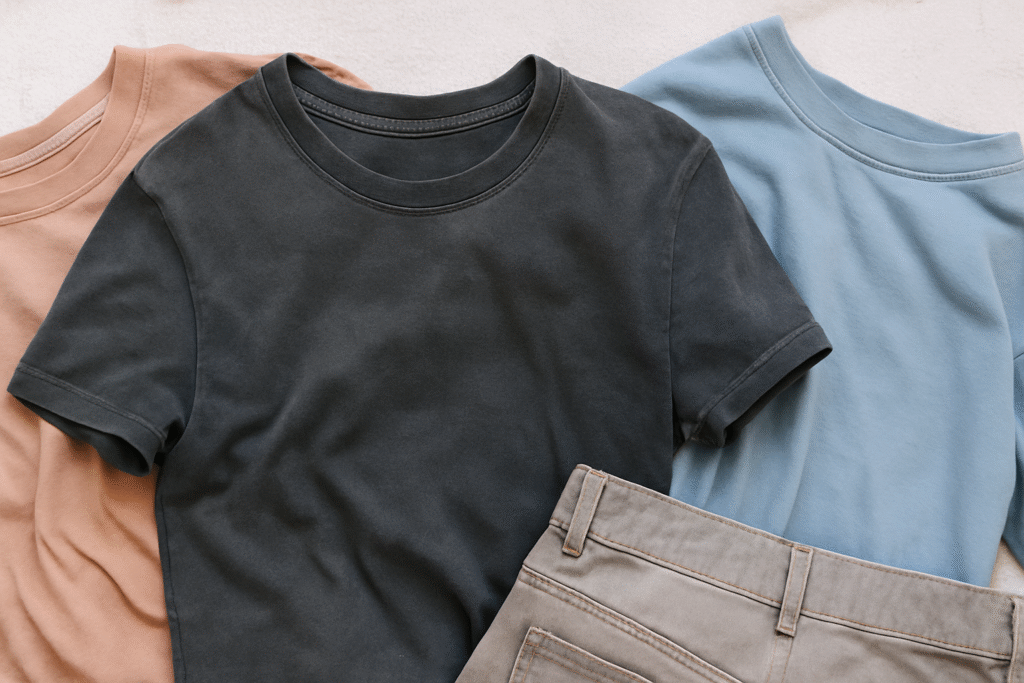
And the real cause is something most people never check.
Why your clothes look faded after laundry is one of the most common questions homeowners ask – and almost everyone blames their detergent.
But here’s the surprising truth:
It’s usually NOT your detergent.
It’s NOT your washing machine.
It’s NOT overwashing.
The real culprit in 2025 – especially across the US South – is something completely unexpected:
Your home’s water quality.
Before you swap brands for the fifteenth time or give up on keeping your clothing vibrant, here’s the real science behind fading fabrics – and the simple fix that stops it.
The Hidden Cause of Laundry Fading
Bright clothing turns dull for one primary reason:
Hard water and mineral-heavy water strip colour from fabric.
Over 85% of US households – and nearly all homes in the South – have hard water, meaning your tap water contains high levels of:
- Calcium
- Magnesium
- Iron
- Sediment
- Chlorine
These minerals attach to your clothes every time you wash them, leading to:
- Colour fading
- Grey or yellow tints
- Stiff fabric
- Chalky texture
- Dull blacks and washed-out brights
- Clothes that look older than they are
Parents often first Google “why your clothes look faded after laundry” after noticing that their kids’ T-shirts look pale after only a few washes.
Why Minerals Destroy Fabric Colours
Here’s what’s happening inside your washing machine:
1. Minerals bind to the dye in your fabrics.
They literally pull the colour molecules away from the fibres.
2. Hard water makes detergent LESS effective.
This means detergent can’t rinse or lift dirt properly.
3. Soap + minerals = residue film.
This film builds up in layers, making colours duller every wash.
4. Chlorine breaks down dyes.
Especially bright colours – reds, greens, blues, and blacks.
So when you’re asking “why your clothes look faded after laundry,” the answer is almost always:
✔ Water quality
✘ Not detergent
Signs Your Water Is Ruining Your Clothes
Look for these household symptoms:
- Clothes become dull after 2–3 washes
- Black clothing turns grey
- Whites turn yellowish or scratchy
- Towels feel stiff no matter what detergent you use
- Laundry smells “chemical” or “metallic”
- You see white powdery residue inside your machine
- Colours bleed faster than they used to
These symptoms are classic signs of high mineral content in your water.
Why This Matters (More Than Aesthetics)
When your water is harsh:
- Clothes wear out twice as fast
- You spend more replacing favourites
- Kids’ uniforms lose colour quickly
- Delicate fabrics age rapidly
- Towels lose absorbency
- Bedding becomes rough
Water quality affects your skin, appliances, and wallet – not just your wardrobe.
How to Fix the Problem – Without Buying “Better” Detergent
The only reliable solution to stop fading is:
Get your water tested and treat the mineral imbalance.
A professional water test can tell you:
- How hard your water is
- Whether chlorine levels are high
- Whether iron or sediment is present
- What type of filtration your home needs
Once your water is softened or filtered:
- Colours stay vibrant
- Detergent works properly
- Whites stay white
- Fabrics stay soft
- Clothes last MUCH longer
Most homeowners notice a difference in the very first laundry cycle.
Why Most Homeowners Book a Test After Seeing Their Clothes Fade
People often book a free test right after moments like:
- A favourite black outfit comes out grey
- Baby clothes lose colour after one wash
- School uniforms start looking patchy
- New bedding looks old in a week
- White towels come out stiff and dull
If this has happened in your home, your water is telling you something.
The Real Fix for Laundry Fading Starts With Your Water
A simple, free water test can:
✔ Tell you exactly what’s in your water
✔ Confirm whether hard water is the cause
✔ Recommend the right solution
✔ Help you protect your clothes, appliances, and skin
✔ Save you money on replacements
Most importantly:
It stops the fading cycle permanently.
Book Your Free Water Test Today
Stop wondering why your clothes look faded after laundry – and fix it at the source.